



From Haunted Artifacts to High Stakes: Finding Thrills in Las Vegas Casinos | 10BET
From Haunted Artifacts to High Stakes: Unveiling the Thrilling Secrets of Las Vegas Casinos
While many tourists flock to the bright lights and high-stakes excitement of Las Vegas casinos, some prefer a different kind of thrill found within the citys darker history. The famed Zak Bagans’ The Haunted Museum offers a chilling alternative to the gaming floor, showcasing an intriguing haunted artifact known as the Dybbuk Box, touted as the “World’s Most Haunted Object.” But what lies beneath this captivating claim?

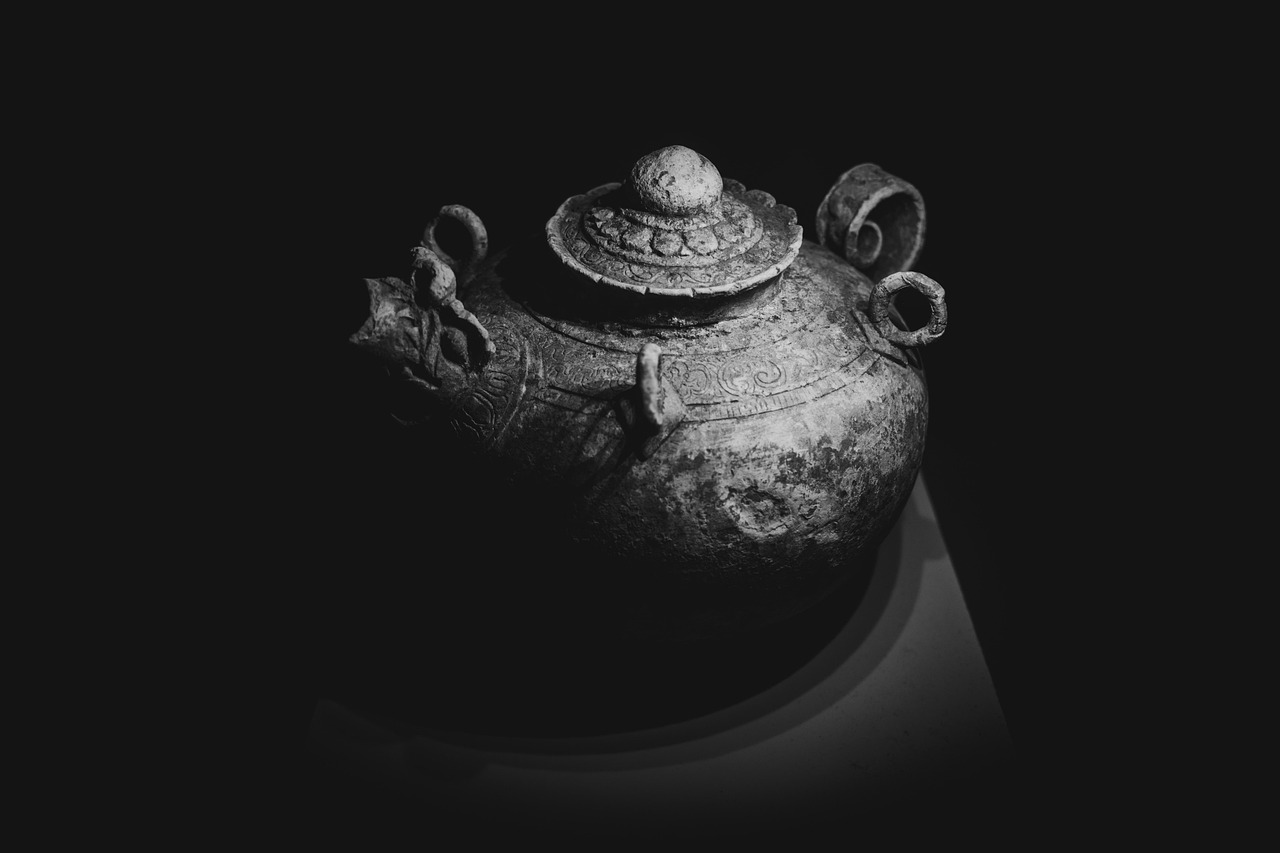
The Legend of the Dybbuk Box
Zak Bagans, well-known for his role as the host of the Travel Channel’s Ghost Adventures, asserts that he experienced disturbing occurrences linked to the Dybbuk Box after acquiring it in 2017. Storytelling around the artifact includes reports of bizarre phenomena such as holes mysteriously appearing in walls.
Debunking the Myths
At its core, the Dybbuk Box is merely an ordinary wine cabinet. Kevin Mannis, who initially sold it on eBay two decades ago, later confessed he crafted an elaborate backstory as a creative experiment.
“I am a creative writer,” Mannis revealed, emphasizing that the Dybbuk Box narrative formed an interactive horror story rather than a factual account.
Its Journey Through Time
The Dybbuk Box has an intriguing past. Mannis, a furniture restorer, claimed he purchased the box from a garage sale in 2001, believing it contained an evil spirit linked to a Holocaust survivor’s family. However, this elaborate narrative has been debunked; the terms and details were probably fabricated by Mannis.
The Evolving Story Continues
As the Dybbuk Box gained notoriety, it passed through various hands, with each new owner contributing to its lore. The story culminated when Bagans acquired the item in 2016 for an undisclosed sum, heightening intrigue and speculation.
The Reality of the Dybbuk Box
Mannis’s story about the wine cabinet has since inspired both fascination and critique. Dybbuks, elements of Jewish mythology, are understood differently—in the folklore, they inhabit living beings, not inanimate objects.
Conclusion
Ultimately, the Dybbuk Box serves as an example of modern myth-making and the fascination with the supernatural. Zak Bagans’ inclusion of the box in his museum continues to spark discussions about what is real and what is fabricated in tales of the haunted and the unknown.