

Tribal Prediction Market Concerns Grow After Senate Blocks CLARITY Act
Tribal Prediction Market Concerns Grow After Senate Blocks CLARITY Act
tribal prediction market concerns is at the center of this U.S. gaming-news briefing after Senate Blocks CLARITY Act as Tribal Organizations Press Prediction Market Concerns was reported by Indian Gaming on September 16, 2026. This original summary keeps the source visible while adding context for readers following casino, gambling, and sports-wagering markets.
What the report says
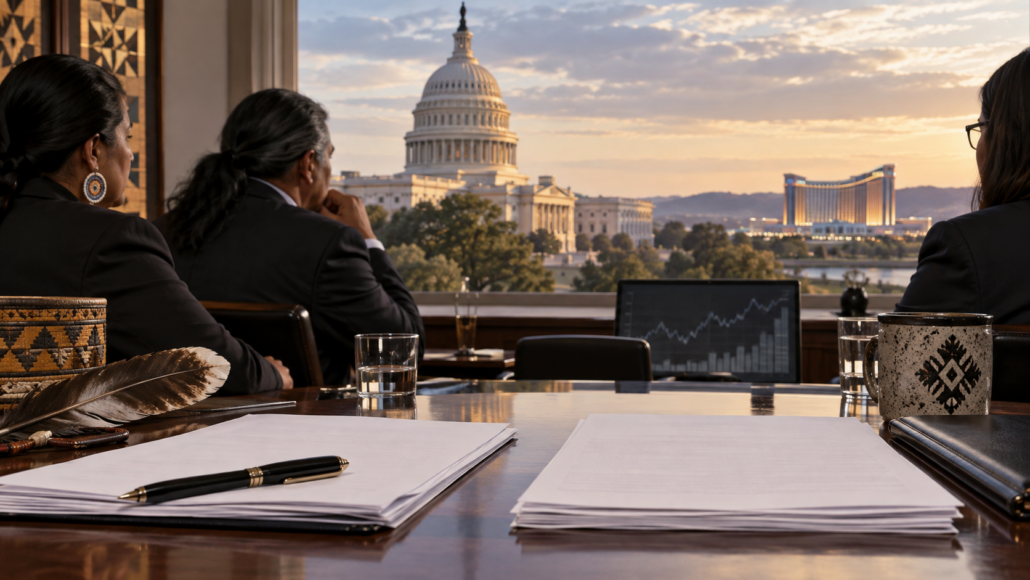
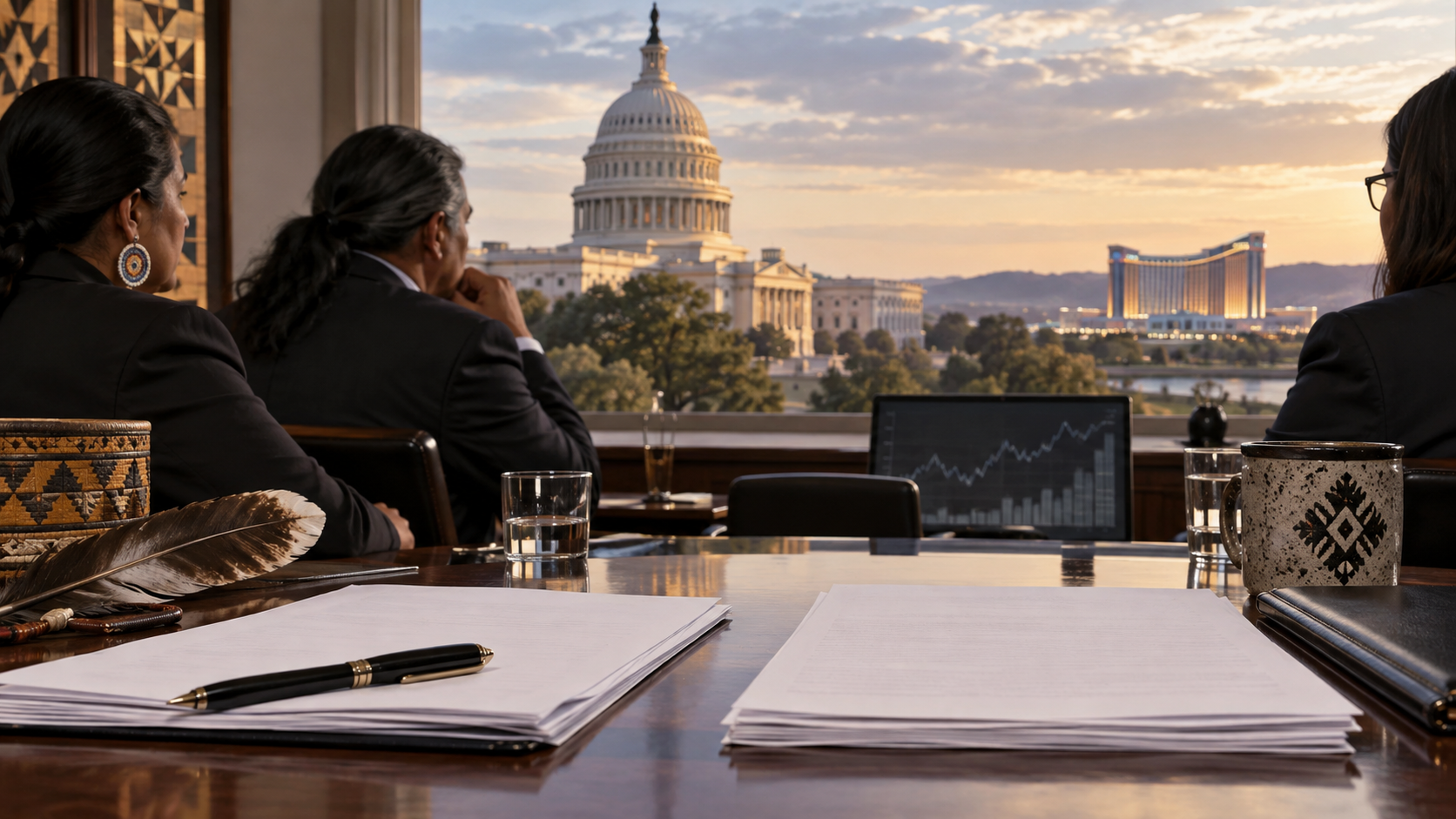
Legal & Legislative Senate Blocks CLARITY Act as Tribal Organizations Press Prediction Market Concerns September 16, 2026 Facebook Twitter Linkedin Email WASHINGTON, D.C. – The U.S. Senate failed to advance the Digital Asset Market Clarity Act on Sept. 15, as tribal organizations continued to press federal officials over the regulation of prediction markets and their potential impact on tribal gaming authority. The Senate voted 49-50 on a cloture motion to advance H.R. 3633, falling short of the 60 votes required. The Indian Gaming Association (IGA), which had urged senators to oppose the legislation without additional protections for tribal gaming interests, welcomed the result. The organization had called for language explicitly protecting tribal sovereignty, the Indian Gaming Regulatory Act (IGRA), tribal-state gaming compacts, and tribal and state authority over gaming. “Today, Indian Country’s voice was heard,” said IGA Chairman David Z. Bean. “The Senate did the right thing by refusing to advance legislation that could have expa
The cited report describes a specific development rather than a complete picture of the national market. A regulator agenda, technology announcement, court filing, event preview, property plan, survey, or company update can matter while leaving important questions open. Readers should separate confirmed details from interpretation, estimates, allegations, and future possibilities.
Why tribal prediction market concerns matters
Explain the reported Senate vote and tribal concerns as a policy development, not a final nationwide rule or a settled answer on event-contract regulation.
The wider context includes CLARITY Act tribal gaming, tribal organizations and event contracts, prediction market policy. These phrases frame the topic, but they do not add facts that the source did not establish. U.S. casino and gambling markets are shaped by state law, tribal sovereignty, licensing conditions, tax rules, technology, advertising standards, court decisions, and consumer-protection expectations.
That state-by-state structure is important. A development in one jurisdiction, a federal court case, a company announcement, or a market estimate does not automatically change the rules or customer experience everywhere else. The relevant jurisdiction, agency, court, company, organization, or operator should be identified before a broad conclusion is drawn.
What operators, regulators, and consumers should watch
Operators will read this news through product design, compliance, workforce decisions, customer experience, and long-term positioning. Regulators will focus on authority, disclosure, the public record, and whether appropriate protections are in place. Consumers should ask practical questions: which product, event, property, or proposal is involved, what terms apply, which jurisdiction is relevant, and whether the story changes anything they can legally do today.
The next useful evidence may come from official notices, court records, company filings, audited results, implementation dates, event details, or later reporting. Follow-up information can clarify whether a proposal advances, a technology reaches more properties, a preview becomes an event, a forecast changes, or a dispute produces a formal decision. Until then, it is more accurate to call this a current development than proof of a lasting market shift.
Related reading and official context
Readers can compare the original report with Congress.gov and Commodity Futures Trading Commission. Related coverage on this site includes Circa A’s Stadium Partnership Shows How Casino Brands Build Long-Term Sports Ties, Mini Boxing Fights: How to Turn the Mini Tyson vs. Mini Paul Excitement into Sports Betting Wins in Las Vegas | 10BET, IGT CFO Appointment Adds New Leadership to Gaming Supplier. These links provide context and primary information, not endorsements of an operator, promotion, investment, event, or wager.
FAQ
Does this update change gambling rules everywhere in the United States?
No. Casino, lottery, sports-betting, and prediction-market rules remain shaped by state law, tribal compacts, licensing conditions, court decisions, and regulator guidance. A development in one jurisdiction or company does not automatically apply nationwide.
What should readers verify before acting on this news?
Check the original source, publication date, relevant regulator or organization, current terms, and whether the information is a proposal, estimate, allegation, preview, report, or completed action. For legal, tax, or financial questions, use current official materials and qualified professional advice.
How can gambling stay recreational?
Set a budget and time limit before play, avoid chasing losses, take breaks, and treat gambling as entertainment rather than income. If it stops feeling manageable, contact a qualified gambling-support service.
Responsible gambling: Gambling involves risk and is not a guaranteed way to make money. Only participate where legal, use funds you can afford to lose, set limits in advance, avoid chasing losses, and seek qualified support if gambling affects your finances, relationships, or wellbeing. The National Council on Problem Gambling provides confidential information and support.
Original source: Senate Blocks CLARITY Act as Tribal Organizations Press Prediction Market Concerns from Indian Gaming. This is an original summary and context piece based on that report.