

How to Develop a Poker Face in Online Poker

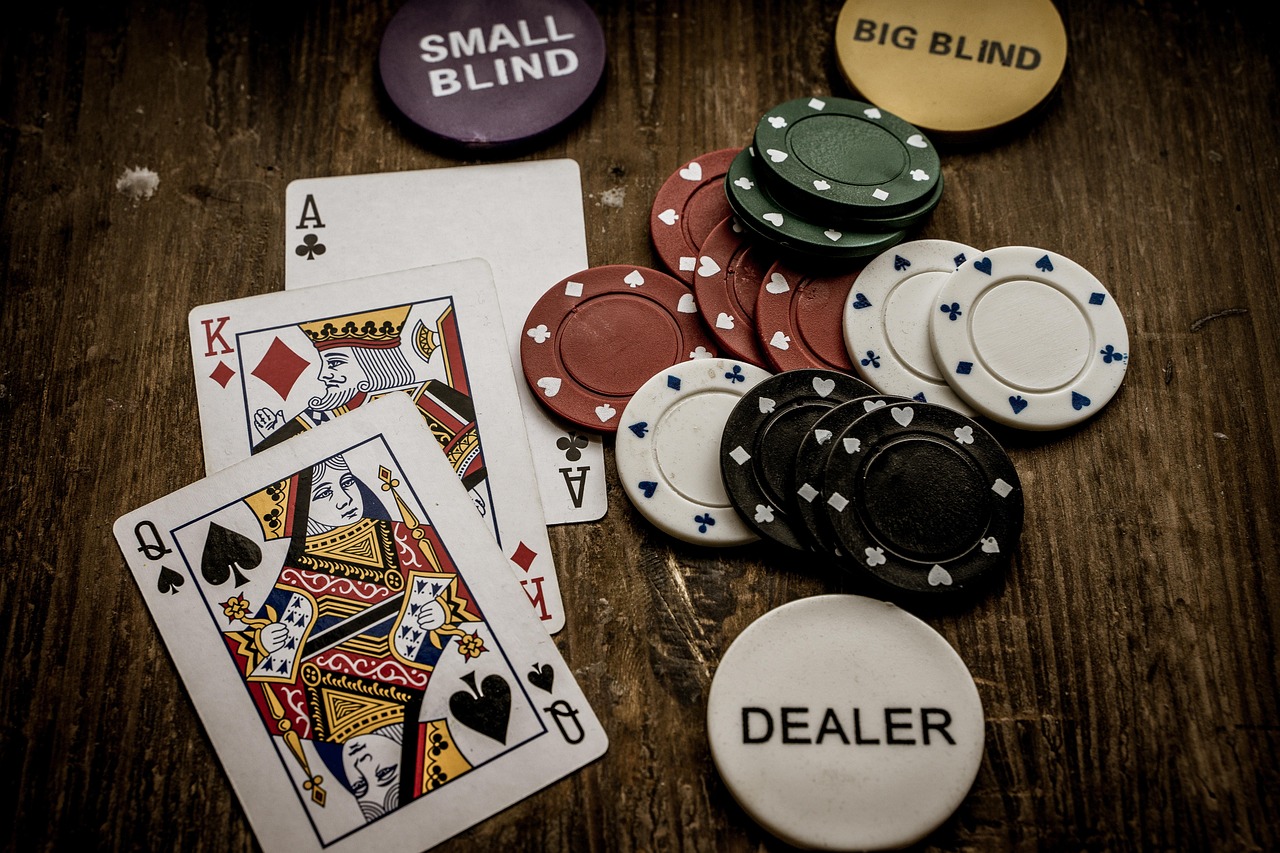
Poker face
Image by AdinaVoicu from Pixabay

Introduction

In the world of poker, the term ‘poker face’ refers to the ability to maintain a neutral expression, concealing emotions and intentions while playing the game. This concept is crucial, especially in online poker where visual cues are often limited. Here, we will explore various strategies to cultivate a poker face that can enhance your gameplay and increase your chances of winning.

Understanding a Poker Face

A poker face isn’t just about hiding emotions; it’s about controlling your expressions and body language. In online poker, this translates to managing how you convey your thoughts through your typing, timing, and other non-verbal cues. The following sections will outline several techniques for mastering this skill.

1. The Importance of Emotional Control

One of the first steps to developing a poker face is mastering emotional control. Emotions can significantly impact your decision-making in poker. To exercise emotional control, try:

  • Breathing exercises: Slow, deep breaths can help calm nerves.
  • Mindfulness techniques: Stay present and aware of your feelings without reacting.
  • Practice: Regularly put yourself in stressful situations to build resilience.

2. Reading Your Opponents

Even in an online environment, understanding your opponents’ behaviors and reactions is crucial. Look for patterns in their betting strategies and communication styles. Tools like poker analysis software can help you review and improve your game.

3. Using Timing Tells

In online poker, timing can be just as telling as physical tells in traditional settings. Pay attention to:

  • The speed of your own responses: Quick responses may indicate confidence, while hesitant replies could signal uncertainty.
  • Opponent response times: Increased reaction times may suggest they are deciding between options or are bluffing.

4. Practice with Friends

Engage in practice games with friends or online forums to hone your poker face. Create scenarios where you can practice bluffing and maintaining composure while others react to your plays. Platforms like PokerStrategy can offer community support and advice.

5. Mastering Online Chat

Your words in the chat can convey confidence or uncertainty. Practice crafting messages that appear neutral, even when you feel strongly. Stay concise and avoid over-explaining your plays. This can prevent giving away too much information.

6. The Art of Bluffing

Bluffing requires a keen poker face. To develop this skill:

  • Choose your moments wisely: Just like in face-to-face poker, knowing when to bluff is key.
  • Vary your playstyle: Keep your opponents guessing by alternating between aggressive and conservative plays.

7. Analyzing Your Play

After games, take the time to review your performance. Look for patterns in your behavior and emotional reactions during key moments. Use this analysis to refine your poker face for future games.

8. Seek Feedback from Others

Sometimes, it can be hard to notice your own tells. Ask trusted friends or use forums to get insights into your playing style and any tells you might be giving off.

Conclusion

Developing a poker face in online poker is a nuanced skill that can significantly enhance your performance. By practicing emotional control, honing your reading of opponents, and mastering the subtleties of online communication, you can increase your chances of success. Remember, the goal is to remain unpredictable while projecting confidence during your play.


Beginner’s Guide to Casino Games: Which Game Should You Start With?

Casino games
Image by ThorstenF from Pixabay

Introduction

Entering the world of casino games can be both exciting and overwhelming. If you’re new to gambling, it’s essential to understand your options and choose the right game to start with. This guide will help you navigate the myriad of choices available, ensuring a rewarding and enjoyable experience.

Understanding Casino Games

Before diving into specific games, let’s establish a basic understanding of casino games:

  • Game Types: Casino games can be broadly categorized into table games, slots, and card games. Each type offers a different experience.
  • House Edge: Each game has a built-in advantage for the casino known as the house edge. Understanding this will help you make informed choices.

1. Slots

Slots are perhaps the most beginner-friendly casino games available. They require no skill or strategy—just spin and hope for the best!

  • Variety: Slots come in various themes, styles, and formats, including classic three-reel slots and modern video slots with multiple pay lines.
  • Payouts: Progressive slots offer the chance to win enormous jackpots as a portion of each bet goes into a shared pool.

For more insights, check out [How Slots Work](https://www.gambling.com/uk/slots)—a comprehensive guide to understanding slot machines.

2. Blackjack

A popular card game, blackjack combines skill with chance. Players compete against the dealer, making it an engaging option for beginners.

  • Objective: The goal is to have a hand value closest to 21 without exceeding it.
  • Simple Strategies: Basic strategies can enhance your chances, making it ideal for beginners wanting to develop skills.

For a deeper dive into strategies, refer to [Blackjack Strategy](https://www.blackjackinfo.com/blackjack-strategy/) for effective tips.

3. Roulette

Roulette is visually exciting and offers various betting options, making it a popular choice among newcomers.

  • Types: There are different variants, including American, European, and French roulette, each with distinct rules and house edges.
  • Betting Options: You can bet on individual numbers, colors, or entire sections of the wheel, providing flexibility.

Learn more in this detailed guide from [Roulette Basics](https://www.casinotop10.net/roulette-basics).

4. Poker

While poker may seem daunting at first, it’s a game of skill that can be very rewarding. It involves strategy, psychology, and quick thinking.

  • Variations: There are several types of poker games, including Texas Hold’em and Omaha, each with its own set of rules.
  • Community Aspect: Playing against others can make for a more social experience compared to other games.

Expand your knowledge with [Beginner Poker Strategies](https://www.pokernews.com/strategy/beginner-strategies/) to enhance your gameplay.

5. Keno

Keno is a lottery-like game where players select numbers and hope they match the randomly drawn numbers. It’s straightforward, making it suitable for beginners.

  • How to Play: Players can choose numbers between 1 and 80, and then a set of numbers is drawn.
  • Payouts: The more numbers you match, the higher your potential payout.

You can learn the rules from [Keno Explained](https://www.essentiallysports.com/keno-how-to-play-rules-and-strategies/) for a comprehensive overview.

6. Bingo

Bingo is a fun game that can be played alone or in groups, making it an enjoyable casino option.

  • Simplicity: Players mark numbers on a card as they’re drawn; the first to complete a designated pattern wins.
  • Community Feeling: It’s often played in a social environment, offering a great way to meet people.

Find out more about online bingo at [Online Bingo Guide](https://www.bingoport.co.uk/guide-to-online-bingo).

Conclusion

Choosing the right casino game as a beginner doesn’t have to be a daunting task. By exploring your options and understanding the basics of each game, you can find the one that fits your style and preferences. Remember to play responsibly and enjoy your gaming experience!

What Are the Top Casino Gaming Trends for 2023?

Casino Gaming
Image by ThorstenF from Pixabay

Introduction

The landscape of interactive entertainment is in a state of constant flux, driven by rapid technological advancements and shifting consumer behaviors. As digital integration becomes more seamless, understanding the latest casino gaming trends has become essential for predicting how players will engage with new platforms. From the rise of immersive virtual environments to the integration of mobile-first technologies, these shifts are redefining the industry. In this article, we will delve into the most significant casino gaming trends shaping the global landscape this year.

1. Live Dealer Games

Live dealer games have revolutionized online gambling by providing players with a real-time gaming experience as if they were in a physical casino. These games feature live-streamed dealers and real-time interactions, making them a favorite among players who enjoy the social aspect of gambling.

Key features include:

  • Real-time streaming quality improvements
  • Enhanced interactive features, such as chat options
  • A variety of game offerings, including blackjack and roulette

For more details on live dealer games, see Casino Reviews.

2. Increased Demand for Mobile Gaming

As smartphones become ubiquitous, mobile gaming continues to surge. Players now prioritize convenience and portability, leading to a growing number of online casinos optimizing their platforms for mobile devices.

Notable trends in mobile gaming include:

  • Responsive design for various screen sizes
  • Exclusive mobile promotions and bonuses
  • Improved payment methods for quick transactions

For insights on mobile gaming trends, check out Gambling Insider.

3. Integration of Blockchain Technology

Blockchain technology is making waves in the casino industry, offering enhanced security, transparency, and decentralization. This trend is paving the way for cryptocurrency payments and smart contracts to redefine how players interact with online casinos.

Advantages of blockchain in casinos include:

  • Increased security for transactions
  • Faster payout times
  • Fair play assurance through provably fair gaming

Learn more about the impact of blockchain on gaming by visiting Forbes.

4. Gamification Techniques

Gamification in casinos involves applying game design elements to enhance user engagement and retention. Techniques such as loyalty programs, achievement badges, and leaderboards encourage players to stay longer and enjoy their gaming experience.

Key components of gamification include:

  • Reward systems for regular play
  • Interactive challenges and tournaments
  • Customizable player profiles

For additional information on gamification strategies, visit Gamification Co..

5. Rise of Virtual Reality (VR) Gambling

Virtual reality gambling provides an immersive experience that simulates a physical casino environment. As VR technology advances, players can expect increasingly realistic graphics and enhanced interactivity.

Features of VR gambling include:

  • Immersive gaming experiences
  • Social interaction with other players in a virtual space
  • A wide variety of games, from slots to table games

Discover more about VR gambling at Analytics Insight.

6. Personalized Gaming Experiences

As player preferences become increasingly varied, casinos are focusing on personalization to cater to individual tastes. This involves using data analytics to offer tailored game recommendations, customized bonuses, and personalized customer support.

Personalization strategies include:

  • Behavioral analysis to understand gaming habits
  • Targeted marketing campaigns based on player data
  • Customized in-game experiences

For more on personalized gaming experiences, see iovation.

7. Introduction of New Game Formats

2023 has seen the emergence of new game formats that blend traditional gameplay with innovative concepts. From mashups of popular games to skill-based gaming experiences, casinos are diversifying their offerings.

Examples of new game formats include:

  • Skill-based slot machines
  • Hybrid games combining elements from different genres
  • Collaborative games that encourage player participation

Uncover more about new formats in gaming by checking out GamblingSites.

Conclusion

The casino gaming landscape in 2023 is defined by innovation, technology, and player-centric experiences. With the rise of live dealer games, mobile gaming, blockchain, and virtual reality, the future looks vibrant for both online and brick-and-mortar casinos. As the industry continues to adapt to changing preferences, players can expect even more exciting experiences on the horizon.

Casino Chaos: Funny Stories of Casino Etiquette Gone Wrong

Casino chaos
Image by 2331323 from Pixabay

Introduction

Casinos are synonymous with glamour and excitement, but they also come with a set of unspoken rules of etiquette. While most players strive to follow these guidelines, there are always a few who take an alternative path, leading to some hilarious and cringe-worthy moments that spiral into casino chaos. In this article, we dive into funny stories that showcase what happens when casino etiquette goes wrong. Ready to laugh? Let’s unfold these quirky tales.

The Overenthusiastic Player

Imagine sitting at a blackjack table when an overly exuberant player arrives, clearly not attuned to the subtleties of table dynamics. Their energetic shouts of encouragement for the dealer, or the tendency to stand up and dance when winning, can throw off the rhythm of the game. One such player managed to knock over a stack of chips while attempting to cheer on their friend, leading to an unexpected cascade of chips scattering across the table and drawing laughter from everyone around.

The Slot Machine Confuser

Slot machines are designed for accessibility, yet some players find their way into comedic confusion. In one instance, a player attempted to customize their experience by sitting on the machine’s armrest, inadvertently pressing the spin button when they shifted positions. This led to a rapid-fire series of spins, ultimately resulting in a jackpot that nobody intended to win. The real laughter came from the frenzy that ensued when the nearby players insisted they deserved half the winnings for the entertainment!

The Card Counter Incident

Card counting can seem an impressive skill, but one dedicated player took it too far in a way that had everyone laughing. During a high-stakes poker game, they loudly announced their strategy and calculations, drawing attention to themselves. This prompted groans and chuckles from the other players at the table, who ended up throwing off his concentration more than helping. Eventually, he folded in embarrassment, unable to regain his composure.

Costume Catastrophes

Theme nights at casinos are exciting, but sometimes players take their costumes a little too far. At one Halloween-themed poker night, a player dressed as a giant banana attempted to sit at the table, only to realize that their outfit hindered their mobility. With exaggerated movements, they struggled to place their bets, leading to a round of giggles and light-hearted commentary about whether a banana could truly play poker.

The Uninvited Guests

Casinos sometimes see unwelcome visitors, and not just from the human population! In a particularly amusing incident, a couple of raccoons wandered onto the property, causing chaos near the buffet area. Players at a nearby roulette table were torn between their bets and the unexpected wildlife show unfolding before their eyes. It was a wild moment that left everyone with stories to tell and laughter that echoed throughout the floor.

Confusing Game Lingo

For many newcomers, casino jargon can be a linguistic minefield. In one funny incident, a first-time player at the craps table misinterpreted a dealer’s instructions, resulting in a loud, enthusiastic call for a ‘hard ten’ when they actually meant to place a bet. The dealer, taken aback, reminded them calmly that their enthusiasm was key, but not at the expense of accuracy. The laughter that followed created an instant camaraderie among the players.

Unintended Sharing

At table games, it’s crucial to maintain personal boundaries, but one player completely disregarded this concept. During a tense game of baccarat, they leaned across the table to share some random trivia about card history, inadvertently spilling their drink over the edge. This mishap turned the serious atmosphere into a laughing fit as players scrambled to dry off their chip stacks!

Conclusion

Whether it’s a card game gone awry or slot machine shenanigans, the casino world is full of moments that can leave us rolling in laughter. Understanding and practicing etiquette is essential, but there will always be those unique incidents that remind us of the fun side of gambling. The next time you sit at a table, remember these hilarious tales, and don’t be afraid to share your stories. Who knows? You might just become the next star of the gaming floor!

External Resources

  • Roulette Etiquette Tips
  • Gamblers Anonymous
  • Poker Etiquette and Rules

The Best Tools for Analyzing Your Poker Strategy

Poker strategy
Image by StockSnap from Pixabay

Introduction

In today’s competitive poker landscape, understanding and refining your poker strategy is crucial for success. With the advent of technology, various tools have emerged to help players analyze their gameplay, identify weaknesses, and improve their overall performance. In this article, we’ll explore the best poker tools for analyzing your strategy, covering a range of options tailored to different aspects of the game.

1. Hand Tracking Software

Hand tracking software is essential for any serious poker player. These tools help you log your hands and analyze your playing patterns over time. Popular options include:

  • PokerTracker: This is one of the most widely used tracking software packages among online players. With its comprehensive database querying capabilities, you can analyze your game in-depth. Find out more at PokerTracker.
  • Holdem Manager: This tool offers similar features to PokerTracker, focusing on a user-friendly interface and extensive reporting options. Explore it at Holdem Manager.

2. Equity Calculators

Equity calculators let you compute the odds of winning with specific hands versus potential opponent hands. Key tools include:

  • PokerStove: A desktop application that helps you evaluate hand ranges and compute equity, ideal for serious analysis. Check it out at PokerStove.
  • Equity Calculator by Upswing Poker: Available online for quick assessments, this calculator provides insights based on user-defined ranges. Visit Upswing Poker to learn more.

3. HUDs (Heads-Up Displays)

Heads-Up Displays provide real-time data on your opponents, allowing you to make more informed decisions at the table. Top choices include:

  • DriveHUD: This powerful HUD integrates both a tracking tool and a hand replayer for in-depth analysis. Learn more at DriveHUD.
  • HEM 3 HUD: Part of the Holdem Manager suite, this HUD is customizable and beneficial for all skill levels. More information can be found at Holdem Manager.

4. Database Tools

Maintaining a database of your hands and opponents’ actions can provide valuable insights over time. Consider using:

  • GTO+: A powerful tool for GTO analysis, GTO+ allows players to review their play in specific spots and compare it against optimal strategies. More details at GTO+.
  • Flopzilla: This tool focuses on board textures and how certain hands match with those, making it easier to assess post-flop scenarios. Discover it at Flopzilla.

5. Poker Training Sites

Enhancing your skills through training sites can provide profound insights, from beginner to advanced strategies. Notable options include:

  • Upswing Poker: Offering high-quality articles, courses, and hand analysis tools, this site aims to improve your overall skills. Learn more at Upswing Poker.
  • Run It Once: Founded by professional poker player Phil Galfond, this training site features numerous video lessons on various topics. Visit Run It Once for more.

6. Online Forums and Communities

Engaging with poker communities can provide you with fresh perspectives and strategies. Popular forums include:

  • TwoPlusTwo: One of the most recognized poker forums in the world, it covers technical discussions, hand reviews, and strategic advice. Explore at TwoPlusTwo.
  • Reddit’s /r/poker: A lively community for poker enthusiasts where you can share ideas and strategies. Check it out at Reddit.

Conclusion

Whether you are a novice looking to learn more about the game or an experienced player aiming to fine-tune your strategy, the right poker analysis tools are vital. From hand tracking software to training sites, these tools provide invaluable insights that can help you make more informed decisions at the table. Invest in quality tools and take your game to the next level!

The Most Memorable High Stakes Gaming Games in Las Vegas History

High stakes gaming
Image by GregReese from Pixabay

Introduction to High-Stakes Gaming

Las Vegas, often referred to as the gambling capital of the world, is renowned for high stakes gaming. These games, characterized by enormous bets and intense competition, create unforgettable experiences for players and spectators alike. In this article, we explore some of the most memorable high-stakes games in Las Vegas history, shedding light on pivotal moments that have defined the city’s gaming landscape.

The World Series of Poker Main Event

Since its inception in 1970, the World Series of Poker (WSOP) has become synonymous with high-stakes poker. The Main Event, in particular, is the crown jewel of the series. WSOP attracts thousands of players from around the globe, all vying for the prestigious championship bracelet and life-changing sums of money.

Iconic Moments

  • In 2003, Chris Moneymaker’s victory is often touted as the turning point that popularized poker globally.
  • In 2006, Jamie Gold won a staggering $12 million, marking one of the largest payouts in poker history.

The 1987 Blackjack Tournament

The 1987 Blackjack Tournament at the Mirage set the stage for a new era of competitive gambling. With a $1 million grand prize, players knew that only the best would walk away winners. The tournament attracted both professionals and amateurs, amplifying the thrill.

Game Dynamics

This tournament was significant not only for its stakes but also for the innovative rules that fueled fierce competition among participants.

High-Stakes Baccarat and the Blow-By-Blow

Baccarat often flies under the radar when compared to games like poker or blackjack, yet some unforgettable high-stakes baccarat games have taken place in Las Vegas. The infamous ‘Baccarat Game of the Century’ saw Phil Ivey take on the best in high-stakes baccarat.

Remarkable Payouts

Players often wager hundreds of thousands of dollars per hand, illustrating why baccarat is dubbed the game of high rollers.

The Epic Blackjack Showdown of 2000

In the year 2000, a historic blackjack showdown unfolded at the Bellagio, where a group of elite players, including legendary card counters, engaged in a battle of wits and strategy, wagering millions.

Strategies and Techniques

This showdown exemplified the complexity and allure of high-stakes blackjack. Players used varied strategies, from card counting to psychological tactics.

Magic at the Roulette Table

Roulette tables in Las Vegas have witnessed their share of high-stakes action. One unforgettable event was the 2016 charity roulette event where celebrities wagered their money for a cause.

Starry Night

Hosted in a lavish setting, this charity event was both glamorous and exhilarating, capturing the essence of Las Vegas.

The Rise of Esports Betting

Esports betting has gained immense traction in Las Vegas, with high-stakes matches attracting massive audiences and spectators. With events like the League of Legends World Championship hosted in Las Vegas, the stakes have risen.

Changing Landscape

Gone are the days when traditional card games ruled the high-stakes scene, emphasizing the versatility of betting in modern times.

Conclusion: The Legacy of High-Stakes Games

The allure of high-stakes gaming remains an indelible part of Las Vegas history. Each game listed above is woven into the fabric of the city’s culture, attracting players and enthusiasts from around the globe. If you’re looking to experience the thrill of high stakes in Las Vegas, be sure to check out these iconic moments!

Debunking Online Poker Myths: Essential Poker Strategy

Poker strategy
Image by One-Small-Step from Pixabay

Introduction

Online poker has surged in popularity over the last few decades, attracting millions of players worldwide. However, with this popularity comes a myriad of myths and misconceptions that can deter new players or mislead seasoned ones. To succeed, understanding basic poker strategy is essential. In this article, we will debunk some of the most common online poker myths to help players navigate the virtual tables with confidence.

Myth 1: Online Poker is Rigged

One of the most perpetuated myths is that online poker games are rigged against the player. While it’s true that there have been some incidents of cheating in online poker, credible platforms employ random number generators (RNGs) to ensure fair play. Regulatory bodies like the UK Gambling Commission oversee these operations to maintain fairness.

Myth 2: You Need to Be a Math Genius to Win

Although mathematical skills can aid your gameplay, winning at online poker does not require you to be a math whiz. A basic understanding of odds and probabilities is beneficial, but successful players often rely more on psychological factors, strategic decision-making, and experience. Resources like PokerStrategy offer great learning materials for players of all levels.

Myth 3: All Players are Professionals

A common misunderstanding is that everyone at the online tables is a professional poker player. In reality, online poker attracts a mix of novice players, part-timers, and experienced professionals. This mix can provide an excellent opportunity for less experienced players to learn and improve their skills in a supportive environment.

Myth 4: Playing Online is Less Exciting than Live Poker

Many believe that the atmosphere of live poker can’t be replicated online. However, many online platforms offer stunning graphics, live dealer options, and interactive features that create an immersive experience. Additionally, you can play from the comfort of your home while enjoying the flexibility of accessing games at any time.

Myth 5: You Can’t Win Money Playing Online

Another significant misconception is that you can’t win real money playing online poker. While it’s true that players must be mindful of their bankroll and play skillfully, countless successful players have turned their online poker games into profitable ventures. Online platforms like PokerStars host regular tournaments with substantial prize pools, sometimes reaching millions.

Myth 6: Poker is Just Luck

While luck does play a role in poker, skill and strategy are overwhelmingly more significant in the long run. Seasoned players have honed their understanding of game theory, player psychology, and strategic betting, which ultimately results in consistent winnings over time. According to Quartz, successful poker is grounded in decision-making rather than chance.

Myth 7: You Can’t Improve Your Skills Online

Another false belief is that online poker does not offer opportunities for skill improvement. Many platforms offer tutorials, forums, and online coaching, enabling players to learn from both their successes and mistakes. Websites like CardRunners provide access to professional coaching and thorough analyses of gameplay, allowing players to elevate their skills incrementally.

Myth 8: Tournaments Are Rigged to Favor House

Some players believe that online tournaments are rigged to favor the house, but reputable sites adhere to strict regulations that govern fairness. Tournaments are designed to provide a level playing field for all participants, and the house typically takes a small percentage of the entry fee as its profit, not through manipulating outcomes. Trust is essential, and playing on established platforms that are regularly audited can help mitigate these kinds of concerns.

Conclusion

Understanding the realities of online poker can dramatically affect your experience and success as a player. By debunking these myths, players can approach online poker with the right mindset and strategies, paving the way for a more enjoyable and profitable gaming experience. Be sure to research, practice, and play responsibly!

Mastering Poker Strategy Through Game Theory | 10BET

Game Theory
Image by Pexels from Pixabay

Introduction to Poker Theory

Mastering a winning poker strategy is the defining factor for any player aiming to elevate their game from casual to professional. This approach encompasses the complex mathematical and strategic elements, fundamentally rooted in Game Theory, that dictate optimal decision-making at the poker table. In this article, we will delve into essential principles of poker strategy that can revolutionize your play and give you a competitive edge.

1. Expected Value (EV)

Expected value refers to the anticipated value of a particular action based on probabilities. Calculating EV helps players make informed decisions.

How to Calculate EV

  1. Assess the probability of winning vs. losing.
  2. Multiply the potential win amount by the probability of winning.
  3. Multiply the potential loss amount by the probability of losing.
  4. Subtract the loss from the win to find the EV.

Understanding EV allows players to focus on long-term gains rather than short-term results.

2. Pot Odds

Pot odds are the ratio of the current size of the pot to the size of the bet you must call. Knowing pot odds can significantly impact your betting strategy.

Calculating Pot Odds

To calculate pot odds:

  • Determine the size of the pot before your opponent bets.
  • Add your opponent’s bet to the pot size.
  • Compare the total pot size to the cost of your call.

For instance, if the pot is $100 and your opponent bets $50, the total pot becomes $150. If calling costs you $50, your pot odds are 3:1.

3. Game Theory Optimal (GTO) Play

Game Theory Optimal (GTO) play is a strategy that emphasizes a balanced approach to poker. By mixing your plays, you make it harder for opponents to exploit your strategy.

Key Elements of GTO

  • Balanced ranges: Have a mix of strong and weak hands when betting.
  • Indifference: Make it difficult for opponents to tell if you are bluffing or holding a strong hand.
  • Counter-strategies: Adjust your play based on your opponents’ tendencies.

Implementing GTO strategies can elevate your game to new heights.

4. Understanding Position

Position in poker refers to where you sit at the table relative to the dealer. Players in late positions have the advantage of seeing how opponents act before deciding.

Why Position Matters

  • Allows for informed decisions based on opponents’ actions.
  • Enables better bluffing opportunities.
  • Enhances the effectiveness of positional play.

Being aware of your position can drastically change your approach to each hand.

5. Range vs. Hand

Understanding ranges involves evaluating the probabilities of your opponents holding various hands rather than focusing solely on the specific cards they have.

Benefits of Thinking in Ranges

  • Improves decision-making by recognizing patterns.
  • Enhances the ability to bluff effectively.
  • Promotes flexibility and adaptability during play.

By shifting your focus from specific hands to ranges, you increase your chances of success.

6. Independent Chip Model (ICM)

The Independent Chip Model (ICM) evaluates the value of chips in tournament play. It helps players make strategic decisions based on the tournament’s payout structure.

ICM Application

  • Assessing risk vs. reward when deciding whether to gamble your chips.
  • Understanding payout implications when nearing the bubble.
  • Adjusting play style based on remaining players and chip stacks.

Utilizing ICM can significantly refine your tournament strategy.

7. The Importance of Psychological Aspects

Psychology plays a vital role in poker. Understanding human behavior and the art of deception can shift the game in your favor.

Psychological Techniques

  • Reading opponents: Observe their betting patterns and body language.
  • Controlling your emotions: Maintain composure to make rational decisions.
  • Establishing a table image: Use your persona to influence opponents’ actions.

A strong grasp of psychological elements can give you an edge over less experienced players.

Conclusion

Incorporating poker theory into your game can vastly improve your performance. By understanding concepts like expected value, pot odds, and game theory optimal play, you will be well-equipped to face opponents more effectively. Remember, poker is a game of both skill and psychology, and mastering these theories can place you at the pinnacle of success.

Mastering Data Analysis to Refine Your Betting Strategies

Data analysis
Image by u_syz4wcgykc from Pixabay

Understanding Data Analysis in Gambling

Mastering the art of data analysis is essential for anyone looking to gain a competitive edge, as it involves evaluating complex information to inform smarter decision-making. In the world of gaming, this process becomes a vital tool for refining your betting strategies, allowing you to collect, analyze, and interpret historical results and player patterns to maximize your long-term success.

The Importance of Data in Gambling

Data plays a critical role in gambling for several reasons:

  • Better Decision Making: With accurate data, gamblers can make informed decisions rather than relying on gut feelings.
  • Risk Management: Data helps identify trends that can inform risk strategies.
  • Enhanced Betting Strategy: Understanding odds and player stats helps refine betting approaches.

Types of Data to Analyze

Here are key types of data you should analyze:

  • Historical Performance: Review past results of games to identify patterns.
  • Player Statistics: Analyze individual player performance, especially in team sports like football or basketball.
  • Market Trends: Stay updated on market fluctuations and how they affect odds.

Tools for Data Analysis in Gambling

Utilizing the right tools can greatly enhance your data analysis capabilities. Some recommended tools include:

  • Excel: A versatile tool for data organization and basic analysis.
  • Python: A programming language often used for deeper statistical analyses.
  • R: A statistical computing software often favored for its robust data handling capabilities.

Using Statistical Models for Prediction

Statistical models can predict outcomes based on data. Common models used in gambling include:

  • Regression Analysis: Helps determine relationships between variables.
  • Monte Carlo Simulations: Run simulations to estimate probabilities of different outcomes.
  • Machine Learning Algorithms: Can learn from data patterns and improve over time.

Analyzing Betting Patterns

Understanding betting patterns can provide insights into both your own behavior and that of other gamblers. Here are ways to analyze patterns:

  • Track Your Bets: Maintain a record of your bets to identify what strategies work best.
  • Study Opponents: If playing against others, analyze their betting strategies.

Incorporating Matchup Analysis

Matchup analysis looks at how teams or players perform against each other historically. Key factors to analyze include:

  • Head-to-Head Records: Review historical performances in direct matchups.
  • Current Form: Analyze recent performance trends of teams or players.

Leveraging Player and Team Trends

Identify trends that could be of value in your strategy:

  • Injury Reports: Injuries can significantly alter game outcomes.
  • Weather Conditions: In outdoor sports, weather can impact performance.

Setting Limits through Data

Using data can also assist in responsible gambling:

  • Bankroll Management: Use historical data to set a realistic betting budget.
  • Self-Assessment Tools: Many platforms provide tools to analyze your gambling behavior to prevent problem gambling.

Conclusion

Data analysis offers gamblers an edge by providing insights that can inform more strategic betting decisions. By leveraging historical data, statistical modeling, and ongoing analysis of trends, you’re better equipped to make informed choices in your gambling endeavors.

For more in-depth insights into gambling strategies, consider visiting Gambling Commission or Stats.com for the latest data and statistics.

Mastering Cumulative Probability: The Ultimate Betting Strategies for Multi-Game Success

betting strategy
Image by OleksandrPidvalnyi from Pixabay

Understanding Cumulative Probability

Mastering the art of winning requires more than just luck; it requires a deep dive into cumulative probability, which measures the likelihood of multiple outcomes occurring within a sequence of events. In the high-stakes world of the casino, this mathematical concept becomes the foundation of successful betting strategies, dictating how you approach multi-game sessions and manage your bankroll. By integrating cumulative probability into your betting strategies, you can transition from impulsive wagering to calculated decision-making, allowing for a more informed and potentially profitable gambling experience.

The Basics of Probability in Gambling

Probability is the measure of the likelihood that an event will occur. In gambling, each game has its own inherent probabilities based on the rules and mechanics involved. Here’s a brief overview:

  • Independent Events: Events that do not affect one another, such as flipping a coin or roll of dice.
  • Dependent Events: Events that affect each other, for instance, drawing cards without replacement.
  • Cumulative Probability: The total probability of two or more events occurring together.

Multi-Game Betting Explained

Multi-game betting involves placing bets across multiple games or events, creating a more complex betting scenario. This approach can amplify potential returns but also increases the risk involved. Many bettors lean towards multi-game betting to diversify their bets and potentially improve their odds.

The Role of Cumulative Probability in Betting Strategies

When engaging in multi-game betting, understanding cumulative probability helps bettors assess the overall risk and reward. Here’s how:

  • Risk Assessment: By calculating cumulative probabilities, bettors can evaluate how likely their sets of bets are to win.
  • Combination Betting: Bettors can create combinations of outcomes (parlays) and calculate the overall probability of winning.
  • Informed Decision-Making: Knowing the cumulative odds can guide bettors in adjusting their strategies based on potential outcomes.

Calculating Cumulative Probability in Multi-Game Betting

To calculate cumulative probability, consider the following steps:

  1. Identify the individual probabilities of each game/event.
  2. For independent events, multiply the individual probabilities together.
  3. For dependent events, adjust the probabilities based on previous outcomes.

Example Scenario

Imagine you’re betting on three separate soccer matches with probabilities of winning at 0.5, 0.6, and 0.4 respectively. The cumulative probability of winning all three matches is:

0.5 x 0.6 x 0.4 = 0.12 or 12%

Evaluating the House Edge

The house edge is the advantage that the casino has over players. In multi-game betting, cumulative probabilities can help players gauge the overall house edge. The higher the cumulative probability of winning, the lower the effective house edge.

Strategies to Improve Your Betting Odds

Here are some strategies to enhance your chances when utilizing cumulative probability in multi-game betting:

  • Diversify Your Bets: Mix different types of games to spread risk.
  • Research: Study each game thoroughly to determine accurate probabilities.
  • Quiz Your Assumptions: Regularly reassess your probabilities based on updated information and outcomes.

Common Mistakes in Multi-Game Betting

Bettors often make several common mistakes that can hinder successful wagering:

  • Ignoring Cumulative Effects: Failing to account for how events interact can skew the perceived probabilities.
  • Overvaluing Single Outcomes: Focusing too much on individual games without considering the overall impact.
  • Chasing Losses: Continuously betting without reassessing the probabilities can lead to poor decision-making.

The Psychological Aspect of Cumulative Probability

Understanding cumulative probability can also mitigate some psychological biases in betting, such as confirmation bias or the gambler’s fallacy. By grounding decisions in statistical realities, bettors can make more rational choices that don’t solely rely on emotional responses.

Conclusion: Mastering Cumulative Probability for Better Betting

Incorporating cumulative probability into your multi-game betting strategy can greatly enhance your overall approach to gambling. By understanding this concept and applying it strategically, you not only minimize risks but also increase your chances for higher returns. Embrace the analytical side of betting, and let cumulative probability guide your decisions.