


Mastering Dice Gambling: Exploring Cultural Variations and Unique Play Styles Around the World
Introduction to Dice Gambling
Dice gambling has a rich history that spans thousands of years and cultures. From ancient civilizations to modern casinos, dice games have captivated players with their simplicity and thrill. In this article, we will explore various dice games from around the world, examining the cultural significance of these games and how they differ from region to region.
The Origins of Dice Games
Dice have existed since antiquity, believed to be one of the oldest gaming implements known to humanity. Archaeological evidence suggests that dice were used in diverse cultures, including:
- Ancient India
- China during the Han dynasty
- Mesopotamia
These early dice were often made from materials such as bones, wood, or stone, and they were used not just for gambling but also for decision-making and divination.
Popular Dice Games Across Cultures
Different cultures have developed unique dice games, each with its own set of rules and gameplay. Some popular games include:
1. Craps (USA)
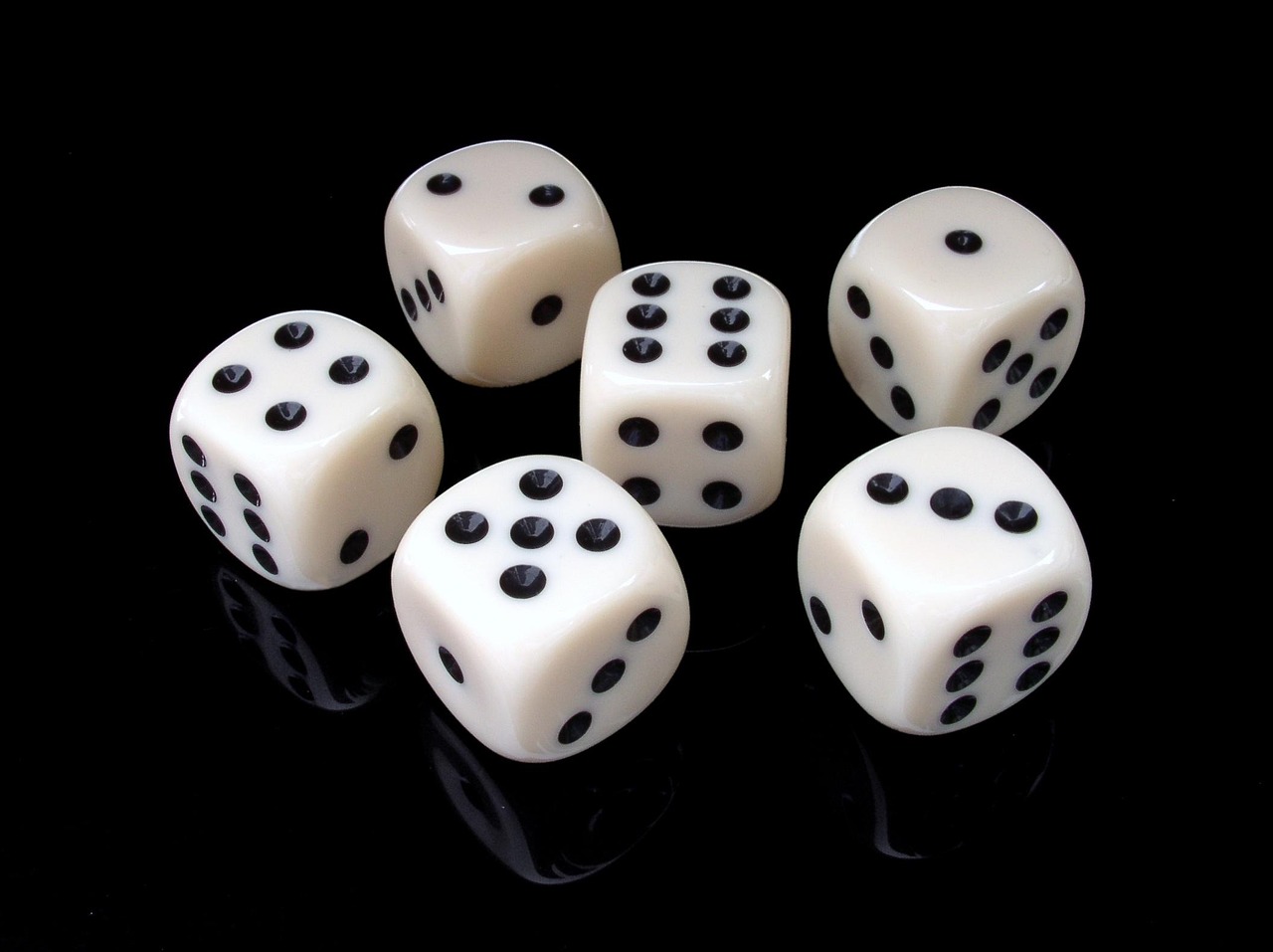
Craps is perhaps the most famous dice game in the United States, played in casinos around the country. Players bet on the outcome of the roll or the series of rolls of two six-sided dice. The game has roots in New Orleans and has grown in popularity since the 19th century. For more on its history, visit Gambling.com.
2. Hazard (England)
Dating back to the 14th century, Hazard is one of the oldest known English dice games. Similar to craps, players roll two dice, aiming for a high score. It features unique betting systems that differ from more modern interpretations.
3. Chinchón (Spain)
A traditional Spanish dice game, Chinchón is known for its strategic betting. Players bet on the results of their rolls, and the game has become a staple in many Spanish households.
4. Yotze (Germany)
Yotze, also known as Yahtzee, is a popular dice game played with five dice. Players attempt to roll specific combinations to earn points, showcasing both luck and strategy. Its appeal has spread globally, with numerous board game versions available today.
5. Cee-lo (USA)
Cee-lo is a casual gambling game that uses three dice. Players aim to roll the highest combination, and it is often played for money in informal settings, such as parties or bars. The game is particularly popular in urban communities.
The Cultural Significance of Dice Gambling
Dice games reflect the social and cultural fabric of a society. They can be seen as a form of entertainment, a means of social bonding, or even a ritualistic practice in some cultures. Here are some examples:
- Celebration: In various cultures, dice games are played during festivities or celebrations, symbolizing good luck and fortune.
- Community: Dice games foster a sense of community and camaraderie, often being played in groups and involving social interaction.
- Rituals: Certain cultures incorporate dice games as part of traditional rituals or ceremonies, linking them to spirituality and belief systems.
Dice Gambling Regulations Around the World
Legal regulations surrounding dice gambling differ widely across countries. In some regions, dice gambling is tightly regulated, while in others, it remains unregulated. Key differences include:
- Licensing: Many countries require licenses for casinos offering dice games, ensuring fair play.
- Minimum Age: Regulations often specify a minimum age for players, typically ranging from 18 to 21.
- Online Dice Games: The legality of online dice games varies, with some jurisdictions embracing it while others impose strict bans.
The Future of Dice Gambling
With the rise of digital technology, dice gambling is evolving. Online casinos now offer a variety of dice games, combining traditional gameplay with modern technology. Innovations like virtual dice games and mobile gaming have made dice gambling more accessible than ever, appealing to a younger audience.
Conclusion
Dice gambling is a fascinating aspect of global culture, showcasing diversity in gameplay and societal values. As players continue to enjoy these games around the world, the cultural significance and history behind them remain essential to understanding their enduring appeal.