

Mastering the Art of Winning Casino Games | 10BET
Introduction
While the worlds of fine art and high-stakes betting may seem distinct, they are both deeply interconnected through a shared fascination with chance, risk, and human emotion. This article explores how artists draw profound inspiration from the visual and psychological allure of casino games, examining how the vibrant aesthetics of the gaming floor and the intense thrill of play translate into captivating works of gambling art.
The Psychology of Gambling in Art
Artists often explore the psychological aspects of gambling, shedding light on human behavior, addiction, and the allure of risk. Works in this category portray gamblers in various states of mind, from euphoria to despair. Below are some themes frequently depicted:
- The thrill of winning
- The agony of loss
- The internal conflict of addiction
One notable artist is Edward Hopper, whose works capture the isolation and contemplation often experienced in gambling settings.
Gambling Motifs in Visual Art
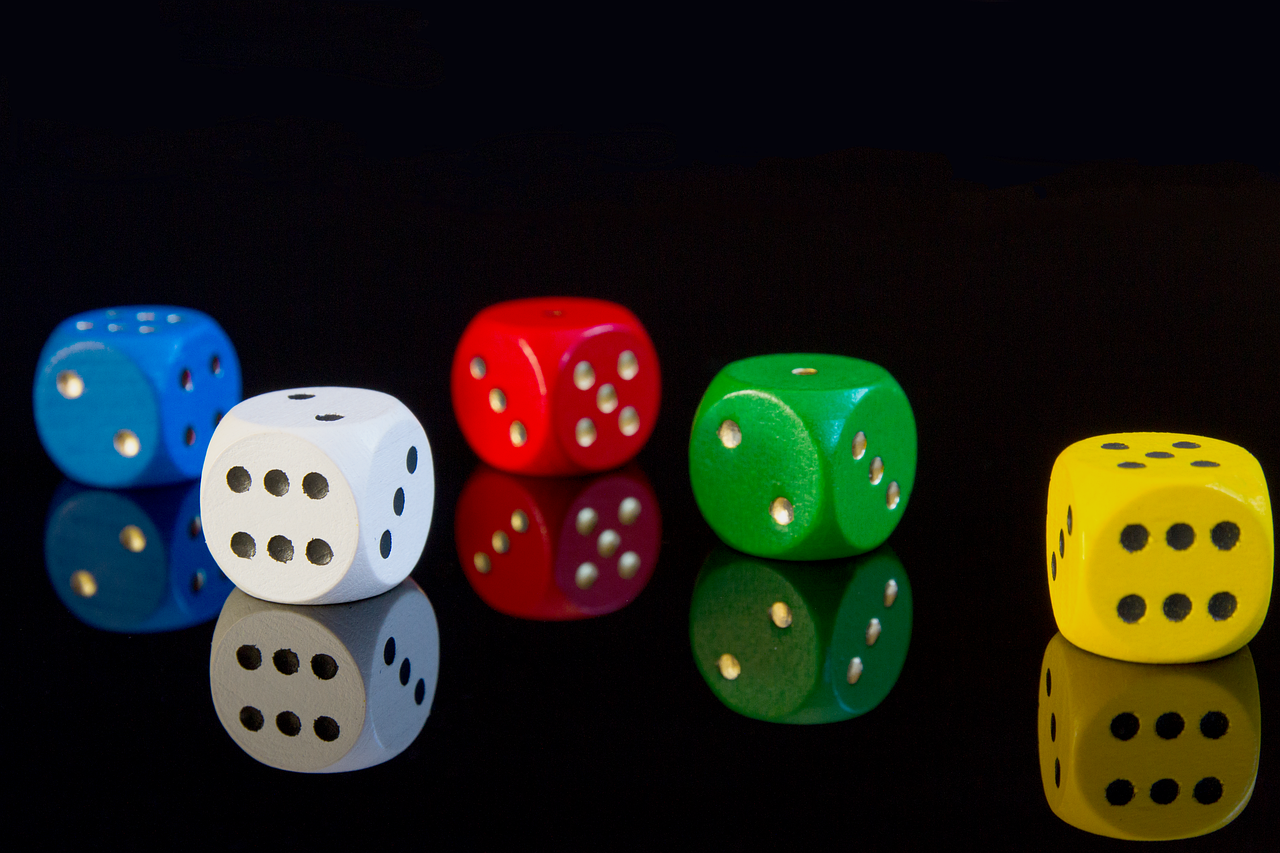
Various forms of visual art incorporate gambling motifs, from paintings to sculptures. Artists use symbols associated with gambling, such as dice, cards, and roulette wheels, to convey deeper meanings. For instance, Pablo Picasso‘s artworks often include references to games of chance as metaphors for life’s uncertainties.
Performance Art and Games of Chance
Performance art can create immersive experiences that reflect the tension of gambling. Artists may use games of chance during their performances, engaging the audience in a shared risk journey. Notable examples include:
- Marina Abramović
- Christian Marclay
These performances often question the nature of decision-making and fate.
Gambling in Literature
Gambling has been a theme in literature for centuries, influencing narratives, character development, and plot twists. From Dostoevsky’s The Gambler to contemporary works, literature explores moral dilemmas and existential questions related to chance. The incorporation of gambling highlights the ludic elements present in storytelling.
Film and Gambling’s Aesthetic Appeal
Films centered around gambling often exemplify the aesthetic allure of casinos and card games. Directors like Martin Scorsese and Guy Ritchie have crafted cinematic masterpieces that blend storytelling, visual art, and the high stakes of gambling, using cinematography to enhance the tension and excitement of the games.
Gambling and the Artistic Community
Gambling can shape community dynamics within the art world. Many artists frequent casinos for inspiration or as a social hub, sharing ideas in environments that thrive on chance. Major art fairs, such as Art Basel, often see a convergence of gambling and art lovers, blurring the lines between leisure and inspiration.
Casino Architecture as Art
The architecture of casinos is a fascinating fusion of art and function. Buildings like the Bellagio in Las Vegas showcase stunning designs that rival renowned art institutions. The opulence and creativity in their construction reflect the cultural significance of gambling.
Conclusion
The interplay between gambling and art offers profound insights into human behavior, societal norms, and the universal thrill of risk. As both realms evolve, they continue to inspire and reflect the complexities of modern life.