


Full House Resorts casino strategy favors growth over new acquisitions
Full House Resorts casino strategy favors growth over new acquisitions
Full House Resorts casino strategy is focused on improving its existing properties rather than buying another casino, according to CEO Dan Lee and President Lewis Fanger. The executives said the small company is busy with Chamonix and American Place and is not actively shopping for acquisitions, even as larger rivals put properties on the market.
The stance shows how a regional operator can choose execution over expansion. Full House still has financing, design and operating work ahead, so adding another asset could stretch management attention and balance-sheet capacity.
At a glance
- Why Full House is staying selective
- The two-property challenge
- What the strategy means for growth
Why Full House is staying selective
Lee said acquisitions would require financing and debt beyond what Full House already carries, and the company does not want to issue equity at current prices. He left the door open to a future operating-company role for a real-estate investment trust, but the immediate message was caution. A property offered for sale may look attractive while still carrying deferred maintenance, weak demand or a difficult capital structure.
The two-property challenge
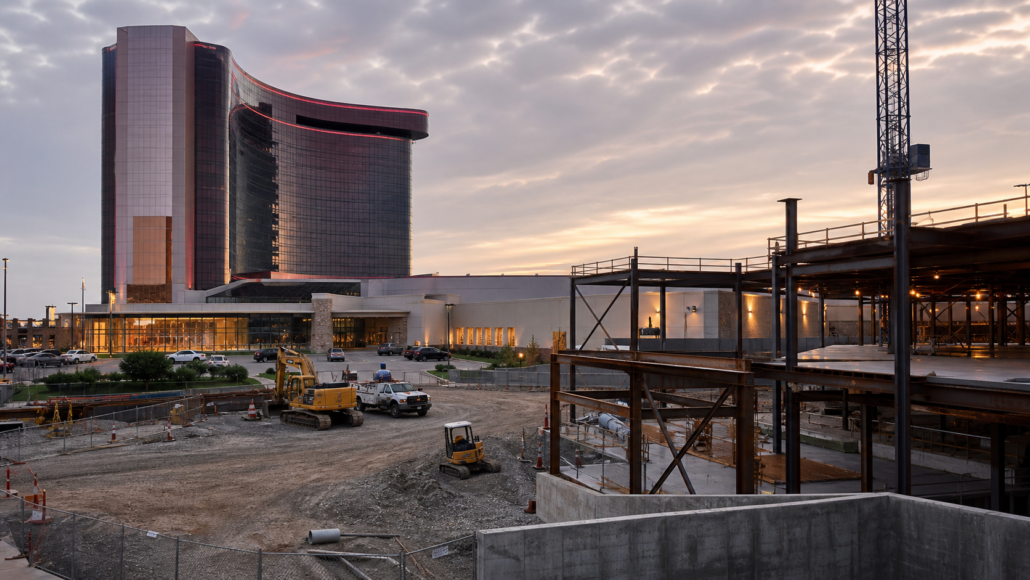
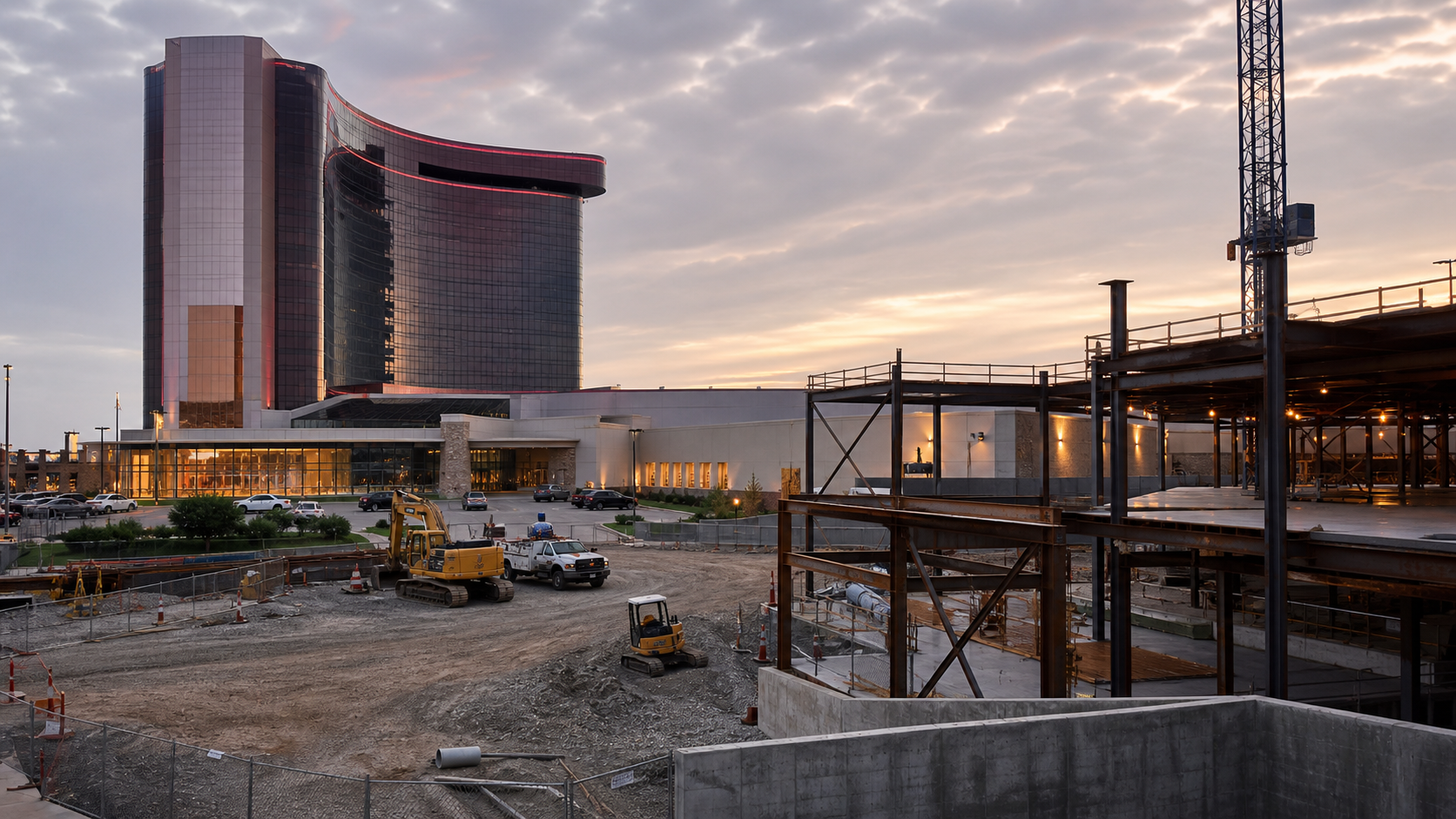
Full House’s current work is concentrated at American Place in Illinois and Chamonix in Colorado. American Place generated $12.7 million in May and is moving toward a permanent property budgeted at $302 million. The design has been refined to improve access to restaurants and to use a food hall and more compact back-of-house area. Management expects the permanent project to open with less than full machine capacity.
What the strategy means for growth
At Chamonix, the company is trying to grow revenue and customer quality while holding down expenses. The property has new marketing and casino-host efforts, a casino manager recruited from the Las Vegas market and a larger sales-and-marketing team aimed at group and convention business. Management also repositioned a former restaurant and changed the speakeasy concept after reviewing how customers used the space.
Lee said acquisitions would require financing and debt beyond what Full House already carries, and the company does not want to issue equity at current prices. He left the door open to a future operating-company role for a real-estate investment trust, but the immediate message was caution. A property offered for sale may look attractive while still carrying deferred maintenance, weak demand or a difficult capital structure. For background, read Maryland casino revenue in July.
Full House’s current work is concentrated at American Place in Illinois and Chamonix in Colorado. American Place generated $12.7 million in May and is moving toward a permanent property budgeted at $302 million. The design has been refined to improve access to restaurants and to use a food hall and more compact back-of-house area. Management expects the permanent project to open with less than full machine capacity. Related coverage on this site examines Arkansas casino revenue and mobile betting.
At Chamonix, the company is trying to grow revenue and customer quality while holding down expenses. The property has new marketing and casino-host efforts, a casino manager recruited from the Las Vegas market and a larger sales-and-marketing team aimed at group and convention business. Management also repositioned a former restaurant and changed the speakeasy concept after reviewing how customers used the space. Readers can also compare the issue with Indian gaming revenue.
The strategy is a reminder that growth does not always mean buying more properties. Full House can pursue better performance through design, food and beverage, hosts, amenities and targeted marketing. If those changes improve cash flow, the company may have more options later. For now, disciplined execution appears to be the priority, and customers should judge the properties on service, value and responsible entertainment rather than on expansion headlines.
The facts above are limited to the verified source report and the supporting links named here. Readers should distinguish reported developments from future possibilities, and check official guidance when a rule, license or consumer decision affects them directly. For official context, consult Full House Resorts investor relations and Illinois Gaming Board.
Frequently asked questions
What is the main takeaway?
The stance shows how a regional operator can choose execution over expansion. Full House still has financing, design and operating work ahead, so adding another asset could stretch management attention and balance-sheet capacity. The source report describes the current development; it does not promise a particular commercial or consumer outcome.
What should customers remember?
Check the applicable rules, understand the product or game before participating and keep gambling within a fixed entertainment budget. Never use borrowed money to chase a result.
Responsible gambling note
Gambling should be treated as entertainment, not a way to make money or solve financial problems. Set limits before you play, take breaks and seek independent support if gambling stops feeling manageable.
Original source: Full House won’t be a casino buyer, execs say from CDC Gaming Reports.