


How to Craft an Effective Table Image for Poker Strategy in Online Poker
Understanding Table Image
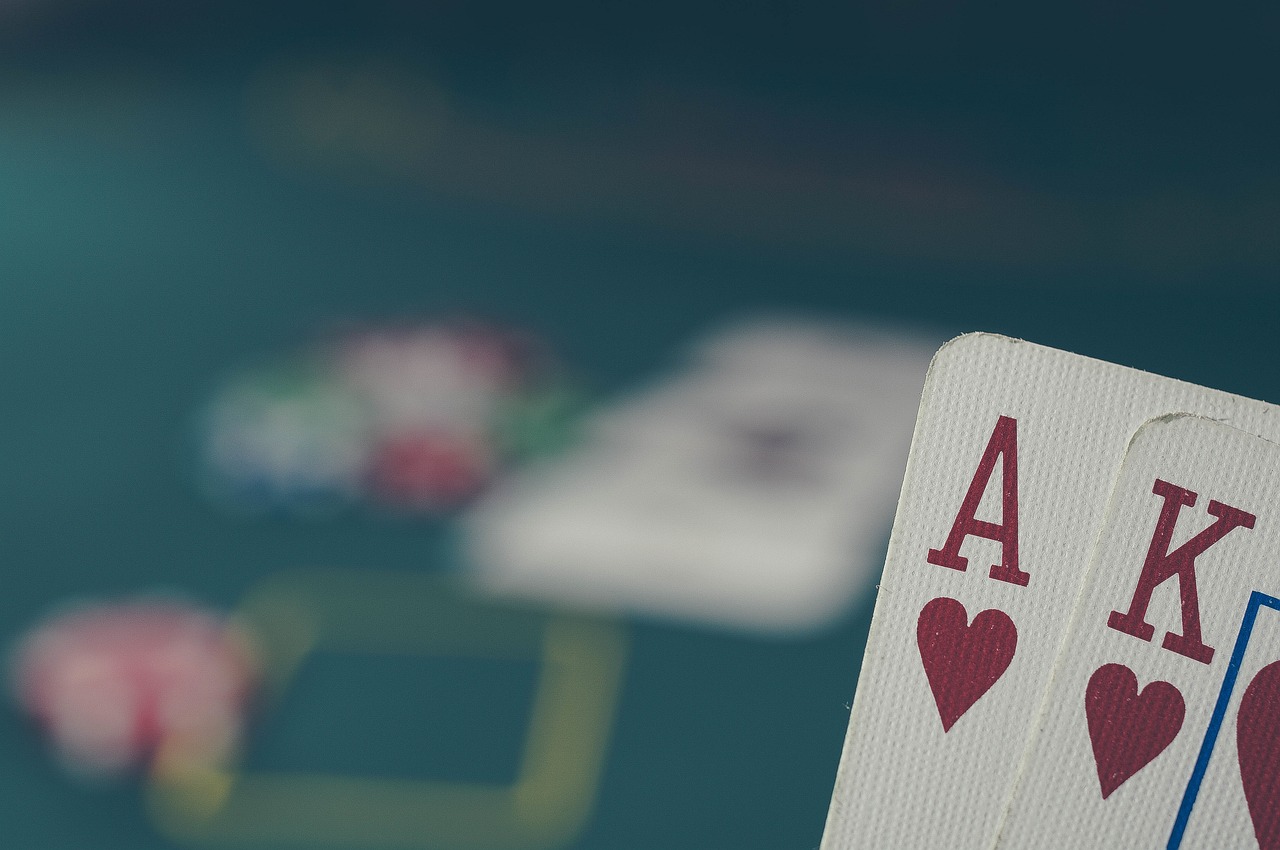
Table image refers to how players perceive you at the poker table. Your table image can significantly influence your success. Creating an effective table image helps you manipulate opponent behaviors, contribute to your bluffing strategy, and ultimately improve your chances of winning, which is fundamental to developing a strong poker strategy.
1. Recognize the Types of Table Images
There are different types of table images you can adopt:
- Tight-Aggressive (TAG): This image portrays you as a player who plays fewer hands but bets and raises aggressively when you do.
- Loose-Aggressive (LAG): A player who plays many hands and consistently applies pressure on opponents.
- Tight-Passive: This image is characterized by a player who only plays strong hands but rarely bets.
- Loose-Passive: This might make you appear as an easy target, playing many hands with little aggression.
2. Adjusting Your Play Style
Your playing style should align with the table image you want to create. For instance, if you’re aiming for a Tight-Aggressive image, you should only play strong hands and push the action when you enter pots.
3. Reading Your Opponents
Understanding how your opponents perceive you enhances your strategy. Pay attention to their reactions to your bets and raises, as these can be clues to adjusting your own table image effectively.
4. Using Position to Your Advantage
Your position at the table heavily influences your table image. Being in a later position gives you the opportunity to observe your opponents and adjust your own strategy accordingly:
- Early Position: Play tighter and more conservatively.
- Middle Position: You can expand your range slightly but remain cautious.
- Late Position: This allows for a more aggressive approach, potentially increasing your stack.
5. The Importance of Consistency
Consistency is crucial in developing your table image. Sudden changes in your gameplay may confuse your opponents and diminish the effectiveness of the image you’re trying to cultivate.
6. Managing Your Bankroll
Your bankroll management can also influence your table image. A player with a larger bankroll may intimidate opponents, leading them to underestimate or overestimate your play style.
7. Using Time and Pace
How quickly or slowly you make decisions can also contribute to your table image. Taking your time can create an image of a careful player, while acting quickly may signal confidence or recklessness:
- Slow Play: This can indicate a strong hand, leading opponents to misjudge your strength.
- Quick Decisions: Can express confidence but might also suggest a hasty strategy.
8. Incorporating Bluffs Wisely
Bluffing is a critical aspect of poker. Your table image affects how successful your bluffs will be. A Tight player can bluff effectively because opponents generally respect their perceived strength.
9. Assessment After Each Game
Post-game analysis is vital. Reflect on how your table image was perceived by others and what adjustments you can make in future sessions to improve your strategy. Use tools or software like Holdem Manager to track your gameplay.
10. Continuous Learning and Adaptation
Online poker is ever-evolving. Stay updated on strategies and insights from trusted poker websites and forums, allowing you to continuously adapt your table image to current trends.
For additional guidance on poker strategies, visit PokerStrategy or CardsChat.