


Tag Archive for: Tribal Gaming

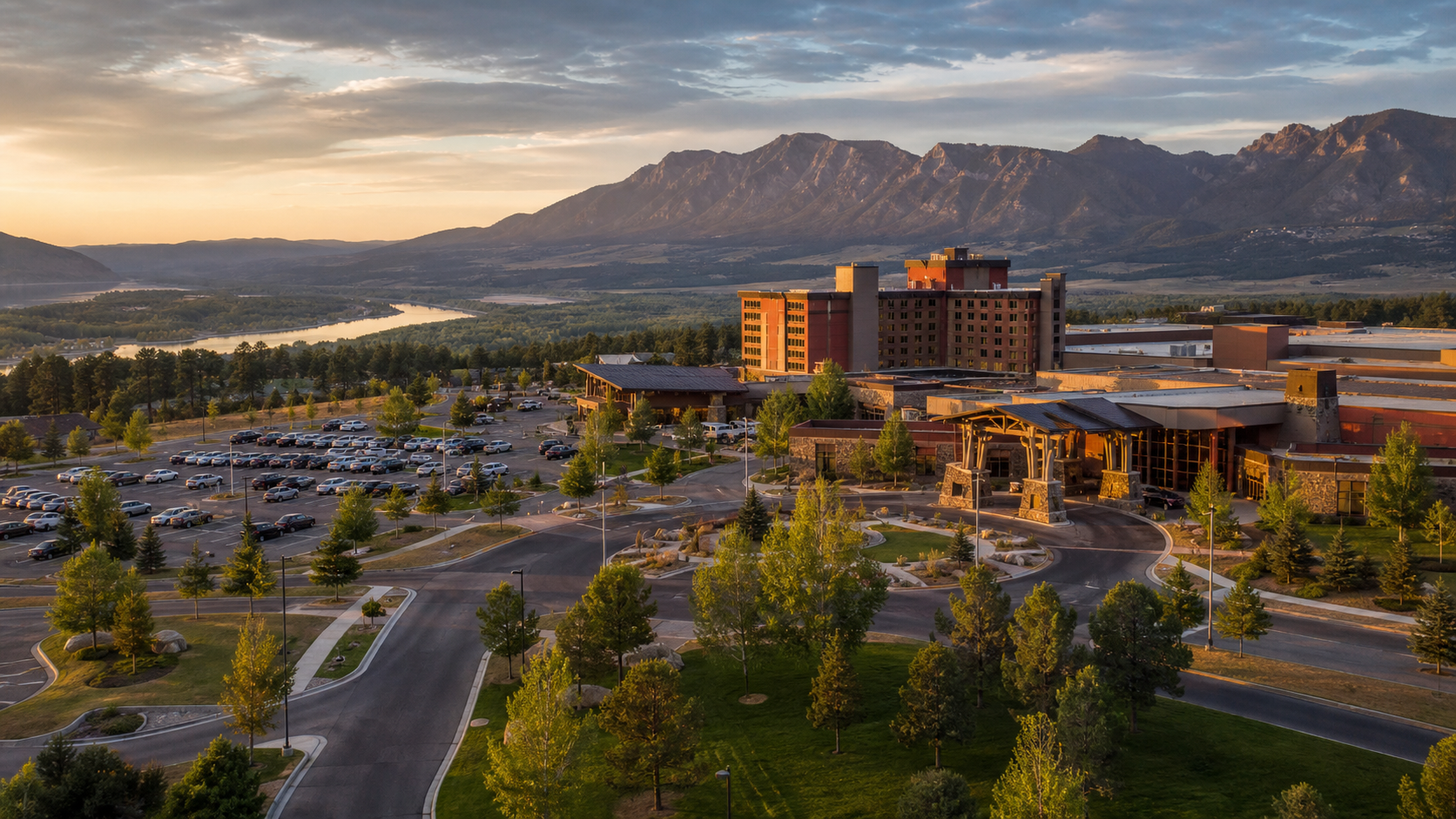
ilani casino leadership editorial illustration

ilani Casino Leadership Team Expands Under Kara Fox-LaRose

ilani Casino Leadership Team Expands Under Kara Fox-LaRose

ilani casino leadership is back in focus for US gambling readers after ilani Names New Leadership Team, Promotes Kara Fox-LaRose highlighted a development published on 2026-08-27T17:00:00+00:00. The underlying facts are specific to this story, but the broader market question is familiar: how should operators, regulators, investors, and everyday customers interpret change in a market where casino economics, wagering policy, technology, and consumer protection all move at different speeds?

What happened

ilani has named a new leadership team and promoted Kara Fox-LaRose, according to Indian Gaming. The announcement concerns the Cowlitz Tribal Gaming Authority’s Washington resort and places the leadership change within the property’s ongoing operating strategy.

  • The announcement came from the Cowlitz Tribal Gaming Authority.
  • Kara Fox-LaRose was promoted as part of the leadership update.
  • The source describes a broader leadership team rather than a single isolated appointment.
  • A management announcement does not by itself establish a change in ownership, licensing, or financial performance.

The original report matters because it gives a dated source trail instead of rumor alone. In this case, the clearest takeaway is not simply the headline number or the headline conflict. It is the way the update fits into the current US casino and wagering landscape, where state-by-state rules, operator strategy, and consumer expectations can push the same type of news in very different directions.

Why ilani casino leadership matters now

ilani casino leadership matters because resort strategy depends on coordinated decisions across gaming, hospitality, entertainment, compliance, and tribal priorities. That makes ilani casino leadership a useful lens for readers tracking ilani resort leadership, Cowlitz Tribal Gaming Authority, Kara Fox-LaRose. A single earnings update, regulatory move, or partnership discussion rarely changes the whole industry by itself, but it can reveal where capital, enforcement, and customer attention are heading next.

It also helps to keep the timeline straight. This source story is dated 2026-08-27T17:00:00+00:00, not a historical case study. That means readers should distinguish confirmed facts from follow-on speculation, especially where legislation, partnerships, or future revenue implications are concerned. In a fast-moving market, precision matters more than hype.

What operators, regulators, and consumers should watch

Operators will read this kind of news through margins, product mix, and long-term positioning. Regulators will focus on legality, disclosure, compliance, consumer harm, and whether the public record is clear enough to support oversight. Consumers should read it more practically: what product is actually being offered, which authority is relevant, what limits or rules apply, and whether the story changes the real-world experience of gambling customers today.

Those practical questions become clearer when readers compare the original report with supporting material such as ilani Names New Leadership Team, Promotes Kara Fox-LaRose, National Indian Gaming Commission, ilani. On the destination site, related coverage including CNIGA James Siva Earns 2026 Capitol Weekly Top 100 Recognition, Massive Job Opportunities at the Live! Casino Hotel Louisiana, Crypto Prediction Markets: Gemini Expands Apex Fintech Partnership adds context about how the same themes have appeared in other casino and betting stories. Those links are for context, not endorsement, and they help show how this one development connects to wider US gambling coverage.

What comes next

readers should follow official ilani and Cowlitz Tribal Gaming Authority communications for role responsibilities and future operating updates. For that reason, the most responsible interpretation is a measured one. Readers should expect more reporting, follow the relevant regulator or operator, and avoid treating an initial report as the final word when legal status, implementation, or commercial impact may still evolve.

That is especially true in casino and betting coverage because the stakes extend beyond revenue headlines. Product access, state legality, tax collections, responsible-gambling systems, and public trust all matter. A strong article keeps the original source visible, adds authoritative context, and avoids inventing claims that the source did not actually make.

FAQ

Does this update change gambling rules everywhere in the United States?

No. Casino and betting rules remain heavily shaped by state law, tribal compacts, licensing conditions, and regulator guidance. A development in one jurisdiction or company does not automatically apply nationwide.

What should readers verify before acting on this kind of news?

Check the original source, confirm the date, identify the relevant regulator or operator, and review any official terms or legislative text before treating the story as settled.

How can gambling stay recreational?

Set a budget before you play, avoid chasing losses, take breaks, and treat gambling as entertainment rather than income. If it stops feeling manageable, reach out to a qualified support service.

Responsible gambling: Gambling involves risk and is not a guaranteed way to make money. Only play where legal, use funds you can afford to lose, and seek help if gambling is affecting your finances, relationships, or wellbeing.

Original source: ilani Names New Leadership Team, Promotes Kara Fox-LaRose. Authoritative supporting links: ilani Names New Leadership Team, Promotes Kara Fox-LaRose, National Indian Gaming Commission, ilani.
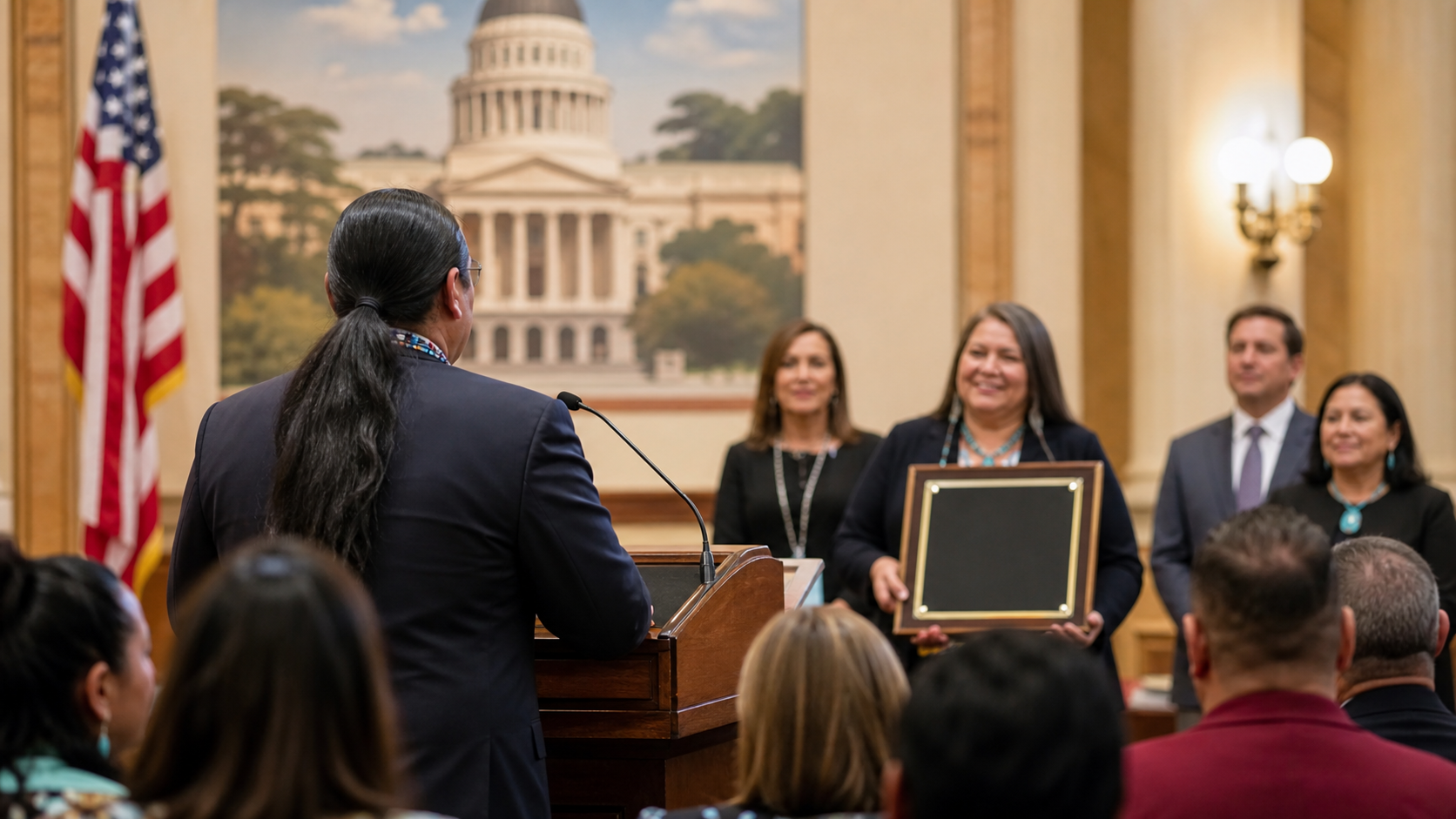
CNIGA James Siva editorial illustration

CNIGA James Siva Earns 2026 Capitol Weekly Top 100 Recognition

CNIGA James Siva Earns 2026 Capitol Weekly Top 100 Recognition

CNIGA James Siva is back in focus for US gambling readers after CNIGA Chairman James Siva Named to Capitol Weekly’s 2026 Top 100 highlighted a development published on Wed, 26 Aug 2026 08:55:00 +0000. The underlying facts are specific to this story, but the broader market question is familiar: how should operators, regulators, investors, and everyday customers interpret change in a market where casino economics, wagering policy, technology, and consumer protection all move at different speeds?

What happened

Indian Gaming reported that CNIGA Chairman James Siva was named to Capitol Weekly’s 2026 Top 100. The recognition is an industry and public-policy leadership development tied to California tribal gaming representation.

  • The source identifies James Siva as CNIGA chairman.
  • The recognition is Capitol Weekly’s 2026 Top 100.
  • The article reports a leadership honor and does not make a broader ranking claim about tribal gaming organizations.

The original report matters because it gives a dated source trail instead of rumor alone. In this case, the clearest takeaway is not simply the headline number or the headline conflict. It is the way the update fits into the current US casino and wagering landscape, where state-by-state rules, operator strategy, and consumer expectations can push the same type of news in very different directions.

Why CNIGA James Siva matters now

the CNIGA James Siva recognition illustrates how tribal gaming policy leadership intersects with California government and public affairs. That makes CNIGA James Siva a useful lens for readers tracking California tribal gaming leadership, CNIGA chairman, Capitol Weekly Top 100. A single earnings update, regulatory move, or partnership discussion rarely changes the whole industry by itself, but it can reveal where capital, enforcement, and customer attention are heading next.

It also helps to keep the timeline straight. This source story is dated Wed, 26 Aug 2026 08:55:00 +0000, not a historical case study. That means readers should distinguish confirmed facts from follow-on speculation, especially where legislation, partnerships, or future revenue implications are concerned. In a fast-moving market, precision matters more than hype.

What operators, regulators, and consumers should watch

Operators will read this kind of news through margins, product mix, and long-term positioning. Regulators will focus on legality, disclosure, compliance, consumer harm, and whether the public record is clear enough to support oversight. Consumers should read it more practically: what product is actually being offered, which authority is relevant, what limits or rules apply, and whether the story changes the real-world experience of gambling customers today.

Those practical questions become clearer when readers compare the original report with supporting material such as CNIGA Chairman James Siva Named to Capitol Weekly’s 2026 Top 100, California Nations Indian Gaming Association, American Gaming Association. On the destination site, related coverage including Massive Job Opportunities at the Live! Casino Hotel Louisiana, Crypto Prediction Markets: Gemini Expands Apex Fintech Partnership, Las Vegas Sports Betting and Raiders Questions Headline Vegas Update adds context about how the same themes have appeared in other casino and betting stories. Those links are for context, not endorsement, and they help show how this one development connects to wider US gambling coverage.

What comes next

Readers should follow CNIGA and California government sources for current policy positions and regulatory developments. For that reason, the most responsible interpretation is a measured one. Readers should expect more reporting, follow the relevant regulator or operator, and avoid treating an initial report as the final word when legal status, implementation, or commercial impact may still evolve.

That is especially true in casino and betting coverage because the stakes extend beyond revenue headlines. Product access, state legality, tax collections, responsible-gambling systems, and public trust all matter. A strong article keeps the original source visible, adds authoritative context, and avoids inventing claims that the source did not actually make.

FAQ

Does this update change gambling rules everywhere in the United States?

No. Casino and betting rules remain heavily shaped by state law, tribal compacts, licensing conditions, and regulator guidance. A development in one jurisdiction or company does not automatically apply nationwide.

What should readers verify before acting on this kind of news?

Check the original source, confirm the date, identify the relevant regulator or operator, and review any official terms or legislative text before treating the story as settled.

How can gambling stay recreational?

Set a budget before you play, avoid chasing losses, take breaks, and treat gambling as entertainment rather than income. If it stops feeling manageable, reach out to a qualified support service.

Responsible gambling: Gambling involves risk and is not a guaranteed way to make money. Only play where legal, use funds you can afford to lose, and seek help if gambling is affecting your finances, relationships, or wellbeing.

Original source: CNIGA Chairman James Siva Named to Capitol Weekly’s 2026 Top 100. Authoritative supporting links: CNIGA Chairman James Siva Named to Capitol Weekly’s 2026 Top 100, California Nations Indian Gaming Association, American Gaming Association.

tribal gaming education editorial illustration

Tribal Gaming Education Partnership Expands Morongo STEAM Access

Tribal Gaming Education Partnership Expands Morongo STEAM Access

tribal gaming education is back in focus for US gambling readers after Wondr Nation, Morongo Expand Tribal Youth STEAM Program highlighted a development published on 2026-08-21. The underlying facts are specific to this story, but the broader market question is familiar: how should operators, regulators, investors, and everyday customers interpret change in a market where casino economics, wagering policy, technology, and consumer protection all move at different speeds?

What happened

Wondr Nation and the Morongo Band of Mission Indians announced an expanded partnership using Wondr Smart Labs to provide STEAM education for tribal youth. Educator training took place at Morongo School, about 30 students were expected to participate in interactive learning, and the program combines technology, creativity, and culturally relevant experiences.

    The original report matters because it gives a dated source trail instead of rumor alone. In this case, the clearest takeaway is not simply the headline number or the headline conflict. It is the way the update fits into the current US casino and wagering landscape, where state-by-state rules, operator strategy, and consumer expectations can push the same type of news in very different directions.

    Why tribal gaming education matters now

    Tribal gaming education programs show how gaming-related organizations can invest in skills, schools, and future opportunities beyond the casino floor. The most meaningful measure is not the announcement itself but whether educators receive usable resources and students gain sustained access to learning.. That makes tribal gaming education a useful lens for readers tracking Wondr Smart Labs, Morongo School STEAM, tribal youth technology. A single earnings update, regulatory move, or partnership discussion rarely changes the whole industry by itself, but it can reveal where capital, enforcement, and customer attention are heading next.

    It also helps to keep the timeline straight. This source story is a July 2026 development, not a historical case study. That means readers should distinguish confirmed facts from follow-on speculation, especially where legislation, partnerships, or future revenue implications are concerned. In a fast-moving market, precision matters more than hype.

    What operators, regulators, and consumers should watch

    Operators will read this kind of news through margins, product mix, and long-term positioning. Regulators will focus on legality, disclosure, compliance, consumer harm, and whether the public record is clear enough to support oversight. Consumers should read it more practically: what product is actually being offered, which authority is relevant, what limits or rules apply, and whether the story changes the real-world experience of gambling customers today.

    Those practical questions become clearer when readers compare the original report with supporting material such as Wondr Nation, Morongo Expand Tribal Youth STEAM Program, US Bureau of Indian Affairs, Authoritative supporting information. On the destination site, related coverage including Wind Creek Chicago Southland Casino Resort Plans Launch Amid Approval Wait, Encore Boston Harbor Strike: Workers Authorize Action Over Contract Demands, Fantasy Sports Demand Outpaces Wider iGaming Growth in New Report adds context about how the same themes have appeared in other casino and betting stories. Those links are for context, not endorsement, and they help show how this one development connects to wider US gambling coverage.

    What comes next

    The next stage is classroom delivery and follow-up on student participation. Readers should distinguish an education partnership from a gambling promotion and focus on the program’s stated technology, arts, science, and community goals.. For that reason, the most responsible interpretation is a measured one. Readers should expect more reporting, follow the relevant regulator or operator, and avoid treating an initial report as the final word when legal status, implementation, or commercial impact may still evolve.

    That is especially true in casino and betting coverage because the stakes extend beyond revenue headlines. Product access, state legality, tax collections, responsible-gambling systems, and public trust all matter. A strong article keeps the original source visible, adds authoritative context, and avoids inventing claims that the source did not actually make.

    FAQ

    Does this update change gambling rules everywhere in the United States?

    No. Casino and betting rules remain heavily shaped by state law, tribal compacts, licensing conditions, and regulator guidance. A development in one jurisdiction or company does not automatically apply nationwide.

    What should readers verify before acting on this kind of news?

    Check the original source, confirm the date, identify the relevant regulator or operator, and review any official terms or legislative text before treating the story as settled.

    How can gambling stay recreational?

    Set a budget before you play, avoid chasing losses, take breaks, and treat gambling as entertainment rather than income. If it stops feeling manageable, reach out to a qualified support service.

    Responsible gambling: Gambling involves risk and is not a guaranteed way to make money. Only play where legal, use funds you can afford to lose, and seek help if gambling is affecting your finances, relationships, or wellbeing.

    Original source: Wondr Nation, Morongo Expand Tribal Youth STEAM Program. Authoritative supporting links: Wondr Nation, Morongo Expand Tribal Youth STEAM Program, US Bureau of Indian Affairs, Authoritative supporting information.

    tribal gaming prediction markets editorial news image

    Tribal Gaming Prediction Markets Debate Intensifies in Washington

    Tribal Gaming Prediction Markets Debate Intensifies in Washington

    tribal gaming prediction markets is back in focus for US gambling readers after IGA Highlights Growing Tribal Fight Against Illegal Prediction Markets highlighted a development published on 2026-08-19. The underlying facts are specific to this story, but the broader question is familiar: how should operators, regulators, investors, and customers interpret change in a market where casino economics, wagering policy, technology, and consumer protection move at different speeds?

    What happened

    The Indian Gaming Association said tribal leaders are continuing a national effort to challenge prediction-market gambling in sports and wagering. During an IGA webinar, Chairman David Z. Bean said the Association was not opposed to prediction markets or technology in general, but objected to products it considers sports wagering outside established federal, tribal, and state frameworks.

    • The IGA described recent advocacy meetings, congressional outreach, and a legislative summit.
    • The Association’s concerns include the Indian Gaming Regulatory Act, tribal-state compacts, and state gaming laws.
    • The IGA has commissioned an economic study and is gathering information about the issue.
    • The statement distinguishes opposition to particular sports-wagering products from opposition to technology generally.

    The original report provides a dated source trail rather than rumor alone. The clearest takeaway is not simply a headline number or conflict. It is the way this update fits into the US casino and wagering landscape, where state-by-state rules, operator strategy, and customer expectations can push similar news in different directions.

    Why tribal gaming prediction markets matters now

    The debate is about regulatory jurisdiction as well as competition, because tribal gaming operates through a framework involving federal law, compacts, and state oversight. That makes tribal gaming prediction markets a useful lens for readers tracking Indian Gaming Association prediction markets, tribal sports betting regulation, IGRA prediction markets. A single earnings update, regulatory move, property plan, or technology partnership rarely changes the whole industry by itself, but it can reveal where capital, enforcement, and customer attention are heading.

    It also helps to keep the timeline straight. This is a current 2026 development, not a historical case study. Readers should distinguish confirmed facts from follow-on speculation, especially where legislation, partnerships, financing, or future revenue implications are concerned. In a fast-moving market, precision matters more than hype.

    What operators, regulators, and consumers should watch

    Operators will read this kind of news through margins, product mix, compliance, and long-term positioning. Regulators will focus on legality, disclosure, consumer harm, and whether the public record is clear enough to support oversight. Consumers should ask practical questions: what product is actually being offered, which authority is relevant, what limits or rules apply, and whether the story changes the real-world experience today.

    Those questions become clearer when readers compare the original report with supporting material such as IGA Highlights Growing Tribal Fight Against Illegal Prediction Markets, National Indian Gaming Commission, Commodity Futures Trading Commission. On this destination site, related coverage including Hard Rock Heals Foundation Grants: $255,000 Goes to 51 Nonprofits, Golden Entertainment Expands Share Buyback Program to Boost Casino Hotels Portfolio | 10BET, College Football Betting Odds: Preseason Favorites Do Not Tell One Story adds context about how the same themes have appeared in other casino and betting stories. Those links are for context, not endorsement.

    What comes next

    the next steps will include congressional discussions, court activity, regulatory proposals, and the IGA’s continuing economic and legal work. The most responsible interpretation is measured: follow the relevant regulator or operator, and avoid treating an initial report as the final word when legal status, implementation, or commercial impact may evolve.

    That is especially true in casino and betting coverage because the stakes extend beyond revenue headlines. Product access, state legality, tax collections, responsible-gambling systems, and public trust all matter. Strong reporting keeps the original source visible, adds authoritative context, and avoids inventing claims the source did not make.

    FAQ

    Does this update change gambling rules everywhere in the United States?

    No. Casino and betting rules are shaped by state law, tribal compacts, licensing conditions, and regulator guidance. A development in one jurisdiction or company does not automatically apply nationwide.

    What should readers verify before acting on this news?

    Check the original source, confirm the date, identify the relevant regulator or operator, and review official terms or legislative text before treating the story as settled.

    How can gambling stay recreational?

    Set a budget before you play, avoid chasing losses, take breaks, and treat gambling as entertainment rather than income. If it stops feeling manageable, reach out to a qualified support service.

    Responsible gambling: Gambling involves risk and is not a guaranteed way to make money. Only play where legal, use funds you can afford to lose, and seek help if gambling is affecting your finances, relationships, or wellbeing.

    Original source: IGA Highlights Growing Tribal Fight Against Illegal Prediction Markets. Authoritative supporting links: IGA Highlights Growing Tribal Fight Against Illegal Prediction Markets, National Indian Gaming Commission, Commodity Futures Trading Commission.

    Poarch Creek grant editorial illustration

    Poarch Creek grant brings $24 million federal roadway investment to Alabama

    Poarch Creek grant brings $24 million federal roadway investment to Alabama

    Poarch Creek grant is back in focus for US gambling readers after Poarch Creek Awarded Historic $24M Federal Roadway Grant highlighted a development published on 2026-08-04. The underlying facts are specific to this story, but the broader market question is familiar: how should operators, regulators, investors, and everyday customers interpret change in a market where casino economics, wagering policy, technology, and consumer protection all move at different speeds?

    What happened

    Indian Gaming reported that the Poarch Creek Indians received a $24 million federal grant from the US Department of Transportation’s Federal Highway Administration for a four-phase infrastructure project along Jack Springs Road in Escambia County, Alabama. The project is intended to improve travel for tribal citizens, residents, emergency responders, commercial traffic, and visitors. Construction is expected to take about two years, with overall completion anticipated by March 2028.

    • Indian Gaming reported that the Poarch Creek Indians received a $24 million federal grant from the US Department of Transportation’s Federal Highway Administration for a four-phase infrastructure project along Jack Springs Road in Escambia County, Alabama. The project is intended to improve travel for tribal citizens, residents, emergency responders, commercial traffic, and visitors. Construction is expected to take about two years, with overall completion anticipated by March 2028.

    The original report matters because it gives a dated source trail instead of rumor alone. In this case, the clearest takeaway is not simply the headline number or the headline conflict. It is the way the update fits into the current US casino and wagering landscape, where state-by-state rules, operator strategy, and consumer expectations can push the same type of news in very different directions.

    Why Poarch Creek grant matters now

    The Poarch Creek grant shows how tribal development news can extend beyond gaming floors into safety, transport, emergency access, and regional economic infrastructure. That makes Poarch Creek grant a useful lens for readers tracking Poarch Creek Indians infrastructure, Alabama tribal development, federal roadway grant. A single earnings update, regulatory move, or partnership discussion rarely changes the whole industry by itself, but it can reveal where capital, enforcement, and customer attention are heading next.

    It also helps to keep the timeline straight. This source story is a July 2026 development, not a historical case study. That means readers should distinguish confirmed facts from follow-on speculation, especially where legislation, partnerships, or future revenue implications are concerned. In a fast-moving market, precision matters more than hype.

    What operators, regulators, and consumers should watch

    Operators will read this kind of news through margins, product mix, and long-term positioning. Regulators will focus on legality, disclosure, compliance, consumer harm, and whether the public record is clear enough to support oversight. Consumers should read it more practically: what product is actually being offered, which authority is relevant, what limits or rules apply, and whether the story changes the real-world experience of gambling customers today.

    Those practical questions become clearer when readers compare the original report with supporting material such as Poarch Creek Awarded Historic $24M Federal Roadway Grant, Federal Highway Administration, National Indian Gaming Commission. On the destination site, related coverage including Arkansas casino revenue posts modest Q2 growth as mobile betting expands, Indian gaming revenue rises 5.3% to $46.2 billion in FY 2025, Sports Betting Finance Impact: DraftKings Stock Plummets Following 2024 Guidance Cuts adds context about how the same themes have appeared in other casino and betting stories. Those links are for context, not endorsement, and they help show how this one development connects to wider US gambling coverage.

    What comes next

    Readers should follow federal project updates and local construction information, and should not assume that a grant announcement means every phase is already complete. For that reason, the most responsible interpretation is a measured one. Readers should expect more reporting, follow the relevant regulator or operator, and avoid treating an initial report as the final word when legal status, implementation, or commercial impact may still evolve.

    That is especially true in casino and betting coverage because the stakes extend beyond revenue headlines. Product access, state legality, tax collections, responsible-gambling systems, and public trust all matter. A strong article keeps the original source visible, adds authoritative context, and avoids inventing claims that the source did not actually make.

    FAQ

    Does this update change gambling rules everywhere in the United States?

    No. Casino and betting rules remain heavily shaped by state law, tribal compacts, licensing conditions, and regulator guidance. A development in one jurisdiction or company does not automatically apply nationwide.

    What should readers verify before acting on this kind of news?

    Check the original source, confirm the date, identify the relevant regulator or operator, and review any official terms or legislative text before treating the story as settled.

    How can gambling stay recreational?

    Set a budget before you play, avoid chasing losses, take breaks, and treat gambling as entertainment rather than income. If it stops feeling manageable, reach out to a qualified support service.

    Responsible gambling: Gambling involves risk and is not a guaranteed way to make money. Only play where legal, use funds you can afford to lose, and seek help if gambling is affecting your finances, relationships, or wellbeing.

    Original source: Poarch Creek Awarded Historic $24M Federal Roadway Grant. Authoritative supporting links: Poarch Creek Awarded Historic $24M Federal Roadway Grant, Federal Highway Administration, National Indian Gaming Commission.

    Indian gaming revenue rises 5.3% to $46.2 billion in FY 2025

    Indian gaming revenue rises 5.3% to $46.2 billion in FY 2025

    Indian gaming revenue US casino news illustration

    Indian gaming revenue is the focus of this US casino-news update after Indian Gaming: Indian Gaming Grows 5.3% to $46.2B in FY 2025 reported a development involving the American gambling, sports, hospitality, or gaming-technology market. The report is specific, but it also raises a broader question about how operators, regulators, teams, and customers respond when a fast-moving story reaches a public audience.

    What the source reported

    Indian Gaming reported that the National Indian Gaming Commission announced $46.2 billion in gross gaming revenue for fiscal year 2025. The figure was $2.3 billion higher than fiscal 2024, a 5.3% increase. The data came from independently audited financial statements submitted by 545 gaming establishments operated by 246 tribes across 29 states, with seven of the NIGC’s eight regions reporting growth. NIGC defines gross gaming revenue as the amount wagered minus winnings returned to players and uses the measure to assess trends and support regulatory policy.

    The original report is the starting point for this article, not a substitute for an official filing, court order, regulator notice, or final company announcement. The difference matters. An earnings report records a period that has ended, a proposal can change before approval, and an arrest or lawsuit describes allegations that still have to move through a legal process. Readers should keep those categories separate when sharing or acting on the news.

    Why this matters for the US market

    The national figure is significant, but it is not a profit figure for every casino or a direct measure of money available to tribal governments. Results differ by region, property, market, and operating costs. The broader importance is that tribal gaming revenue can support sovereign-government services and community investment while operating under the Indian Gaming Regulatory Act.

    The United States is not one uniform casino or betting market. State laws, tribal arrangements, licensing conditions, taxes, age rules, advertising standards, and product definitions can differ substantially. A story about a Nevada resort, a Florida tribal property, an Iowa opening, a Maryland revenue report, or a New York partnership may have national interest while still producing local consequences. That is why a careful reader checks the jurisdiction and the organization with authority over the activity.

    There is also a customer-experience issue. New entertainment, sports events, technology, and financial results can make a market look exciting, but excitement is not the same as value. Operators must balance demand with compliance, staffing, customer support, and transparent terms. Customers should make the same distinction: a new product or a large headline does not guarantee a win, a refund, a tax outcome, or a better offer.

    What readers should watch next

    Readers should compare future NIGC releases by region and fiscal year and read the definitions behind the headline number. A rise in gross gaming revenue does not mean every customer won or that gambling provides dependable income. Anyone who participates should do so legally, set a time and money limit, and use available support if play becomes difficult to control.

    For the most reliable follow-up, use the official sources below and look for dated updates rather than recycled headlines:

    Related coverage

    Existing coverage on this destination site can add local context. These links are provided for information and are not endorsements:

    FAQ

    What is the main takeaway from this Indian gaming revenue story?

    The main takeaway is that a single news event needs context. Check what has actually been confirmed, which jurisdiction applies, and whether the next step is a filing, approval, hearing, opening, rollout, or follow-up report. Avoid turning a forecast or allegation into a certainty.

    Does this news mean customers should place a bet?

    No. News can explain a market, but it is not personal financial advice and it cannot predict an individual result. Check legality, read the market rules, and decide on a fixed entertainment budget before taking part.

    Responsible gambling

    Gambling involves risk and is not a way to make guaranteed income. Only participate where legal, set a budget and time limit before you begin, avoid chasing losses, and take breaks. If gambling is becoming difficult to control or is affecting your finances, relationships, or wellbeing, contact a qualified gambling-support service in your area.

    Original source: Indian Gaming: Indian Gaming Grows 5.3% to $46.2B in FY 2025. This article is an original summary and analysis for a US audience; it does not replace legal, financial, medical, tax, or regulatory advice.

    Gasser Chair president appointment highlights leadership change in tribal gaming supply

    Gasser Chair president appointment highlights leadership change in tribal gaming supply

    The Gasser Chair president appointment brings Kevin Bradford into a new leadership role at a company connected to the tribal gaming supply chain. Indian Gaming reported the personnel change on July 30, adding to a series of leadership and operating updates across the US tribal casino industry.

    Why supplier leadership matters

    Gaming suppliers influence the equipment, furniture, technology, service, and operating tools that casinos use every day. A chair may sound like a small part of the casino environment, but the comfort, durability, accessibility, and maintenance of guest-facing equipment can affect a property’s practical operations. Suppliers also work with casinos that have different design standards, budgets, traffic levels, and community priorities.

    A leadership transition at a supplier can therefore affect product development, customer service, manufacturing decisions, and relationships with tribal enterprises. It can also shape how a company responds to broader changes in the market, such as cashless systems, new game formats, smoke-free spaces, accessibility expectations, and the need to control operating costs.

    Tribal gaming is a specialized market

    Tribal casinos are not simply smaller versions of commercial properties. They operate under tribal, federal, and sometimes state frameworks, with each tribal nation retaining its own governance and economic priorities. Vendors that understand that context can be better positioned to design useful products and support long-term relationships rather than treating each installation as a one-time sale.

    That context also makes responsible procurement important. A casino may need to evaluate a supplier’s quality controls, service response, warranties, data practices, workforce standards, and ability to deliver consistently. A new president can use the transition to review those systems while preserving the relationships that customers value.

    What the market is watching

    Readers should look for official company information about Bradford’s background, priorities, and the products or services Gasser Chair intends to emphasize. The appointment itself does not establish a revenue forecast or a new contract. Those questions will be answered through customer announcements, product launches, hiring, and future industry events.

    The personnel news is still useful because it shows how the tribal gaming ecosystem is made up of operators, regulators, suppliers, technology companies, hospitality teams, and community institutions. Leadership changes at any one layer can influence the way the wider industry approaches guest experience and operating efficiency.

    Responsible gambling note

    Better casino equipment does not change game odds. Treat gambling as entertainment, set a loss limit before play, and step away if you feel pressure to continue.

    Suppliers shape the guest experience

    Casino equipment and furnishings are judged by people who may never know the supplier’s name. They notice whether a seat is comfortable, whether equipment is reliable, whether maintenance is fast, and whether a space feels welcoming. That makes supplier leadership relevant to the ordinary guest experience as well as to procurement teams.

    Bradford’s appointment gives Gasser Chair an opportunity to explain how it will support tribal and commercial customers in a changing market. The useful evidence will come from product quality, service delivery, customer relationships, and transparent business updates. A personnel announcement is a starting point for that evaluation, not its conclusion.

    Leadership in this part of the industry also involves listening to operators. Casinos have to balance guest comfort with durability, cleaning, accessibility, replacement cycles, and the physical layout of a gaming floor. A supplier that understands those constraints can contribute more than a product catalogue alone. It can help an operator make a practical improvement without losing sight of maintenance, training, and the guest experience.

    FAQ

    What does Gasser Chair supply?

    The company is part of the gaming supply chain, where equipment and guest-facing furnishings support casino operations. The source report focuses on the leadership appointment rather than announcing a specific product launch.

    Does a new president guarantee growth?

    No. The appointment is a personnel change. Future products, customer announcements, service performance, and financial results would be needed to assess business impact.

    Source and further reading

    Original source: Indian Gaming, “Gasser Chair Names Kevin Bradford as President”.

    Authoritative context:

    Related coverage: