
High-Stakes Gambling Strategies: Mastering the Balance of Luck and Skill | 10BET
Introduction
In the intense world of high-stakes gambling, players often find themselves navigating a complex landscape where luck and strategy intertwine. Whether it’s the calculated risks of poker, the mathematical tension of blackjack, or the sudden swings of roulette, understanding the dynamics between chance and skill is crucial for survival. In this article, we delve into the connection between luck and strategy within the realm of high-stakes gambling, examining how effective risk management and psychological discipline influence outcomes.
The Role of Luck in High-Stakes Games
Luck is often seen as an unpredictable force in high-stakes gaming. It’s the random nature of chance that can turn the tide of a game in a matter of moments. Here are some key aspects of luck:
- Random Outcomes: In games like roulette, the outcome of a spin is purely based on chance. Players must accept that there are no strategies to guarantee a win.
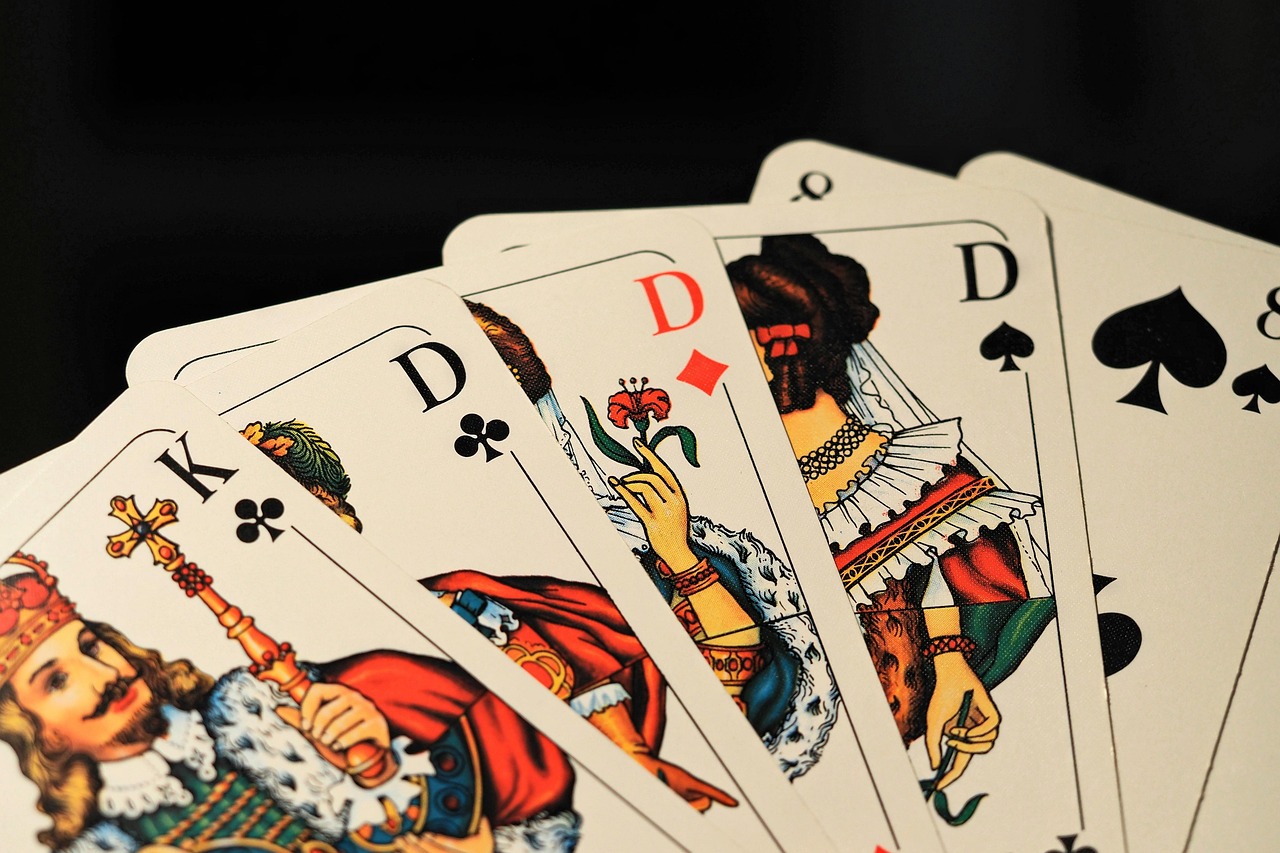
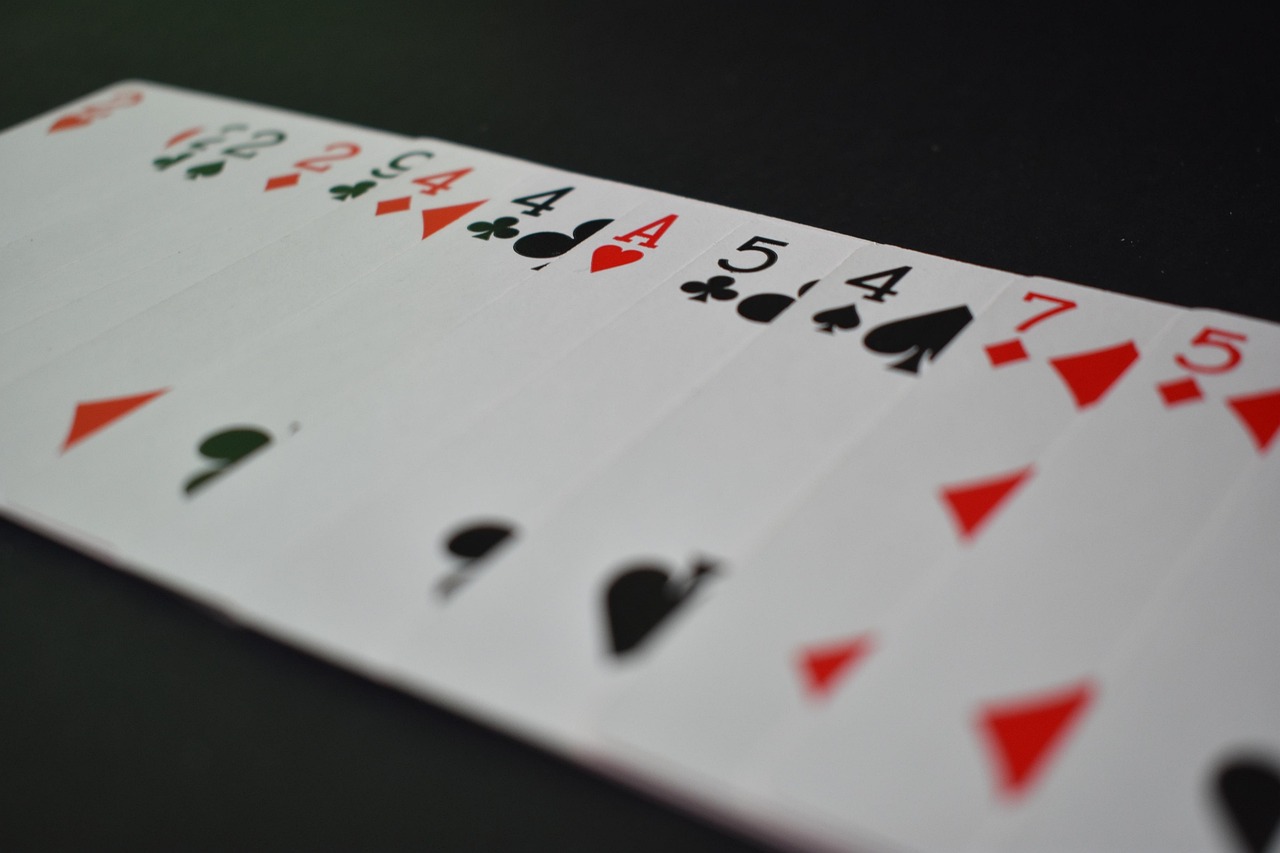
- Card Distribution: In poker, the luck of the draw can significantly impact the game. A favorable hand can create winning opportunities, while an unfavorable one can lead to losses.
- Variance: Luck introduces variance into games, affecting short-term results. Understanding this variance is critical for long-term success in games of skill.
Understanding Strategy in High-Stakes Gaming
While luck plays a significant role, strategy is equally important in shaping outcomes. Strategies involve planned approaches to maximize gains and minimize losses. Here are some components of effective strategy:
- Game Theory: Familiarity with game theory can give players a strategic edge, particularly in poker where understanding your opponents’ strategies is crucial. For more on game theory, check out the Wikipedia page.
- Bankroll Management: Properly managing one’s bankroll helps mitigate the adverse effects of luck. Players should set limits and stick to them to preserve their funds over the long term.
- Reading Opponents: In games like poker, assessing and adapting to opponents’ behavior can facilitate strategic plays that leverage one’s luck.
The Balance Between Luck and Strategy
The interplay between luck and strategy is essential for any high-stakes game. Successful players recognize when to rely on luck and when to employ strategic thinking. Here’s how they achieve this balance:
- Risk Assessment: Players often need to weigh the risks of their current positions against their potential rewards, adapting their strategies based on their assessment of luck.
- Long-Term vs. Short-Term Perspective: While short-term outcomes may be influenced heavily by luck, long-term success typically hinges on strategic decisions that outlast fleeting moments of chance.
Case Studies in High-Stakes Games
Examining specific games provides a clearer picture of how luck and strategy operate in tandem. Here are a few classic examples:
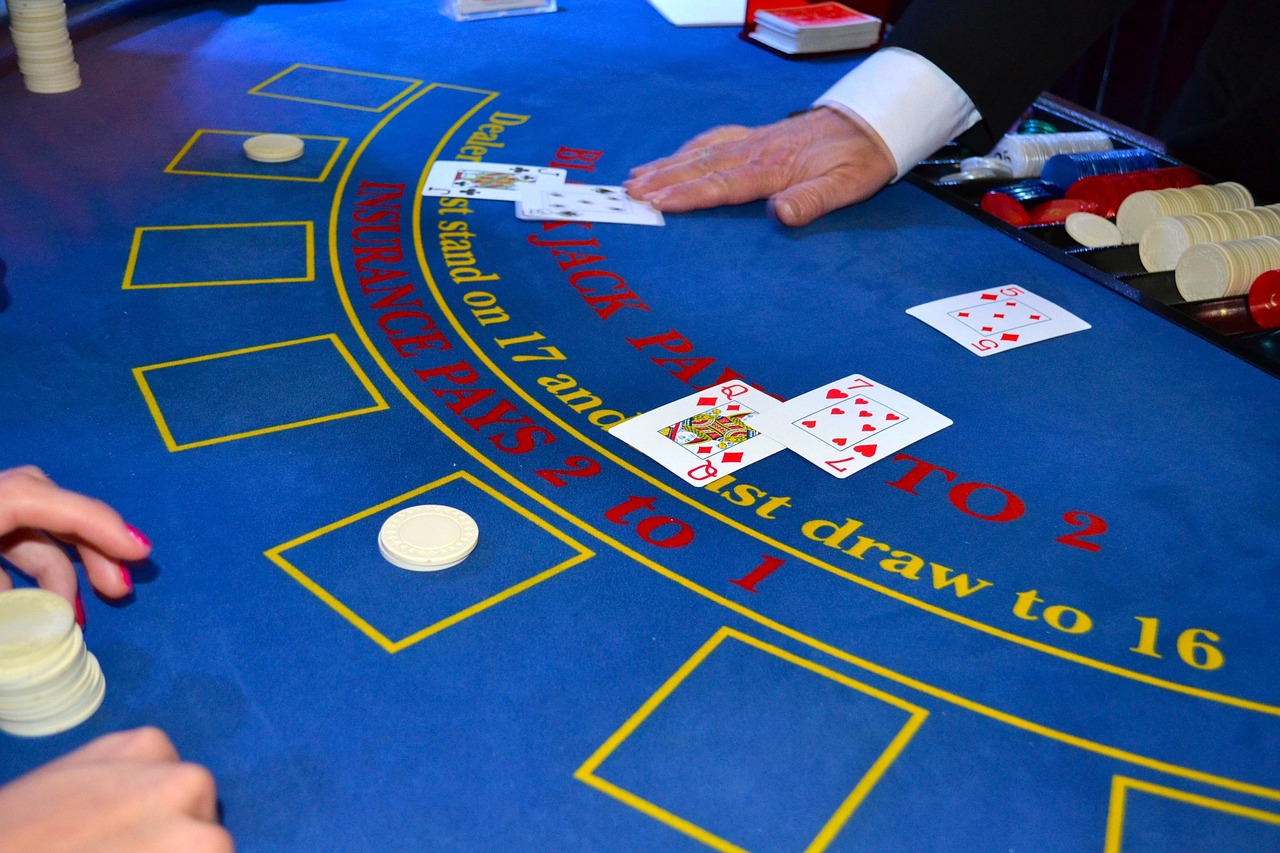
- Blackjack: A game dominated by strategy, with players using card counting and basic strategy to minimize the house edge. However, luck determines the outcome of each hand.
- Texas Hold’em: Luck is crucial in determining starting hands, but skilled players will leverage their strategy to outplay less experienced opponents.
- Roulette: While completely luck-based in nature, players still apply strategic betting systems to maximize their chances of winning over time.
Luck in Real-Life Scenarios
It’s essential to recognize that luck isn’t just abstract; it influences real-life situations. For example:
- Entrepreneurship: Many successful business owners attribute part of their success to fortunate timing or chance encounters.
- Sports: Athletes often cite luck as a factor in their performance, creating opportunities through preparation and skill.
Conclusion
In high-stakes games, the connection between luck and strategy is both intricate and vital. While luck can influence immediate outcomes, strategic thinking and careful planning are essential for achieving long-term success. For players looking to enhance their game, embracing both elements can lead to a better understanding of not just the games themselves but the larger concept of risk and reward. For further insights, explore resources such as the Psychology Today article.