


How Slot Games Advertisements Shape Player Choices | 10BET

Introduction
Slot games are among the most popular forms of entertainment in both land-based and online casinos. As competition increases, advertisements for these games have become more sophisticated and prevalent, shaping player choices in significant ways. This article delves into the impact of slot advertisement on player choices, examining their effects on perceptions, engagement, and overall gaming behavior.
Understanding Slot Game Advertisements
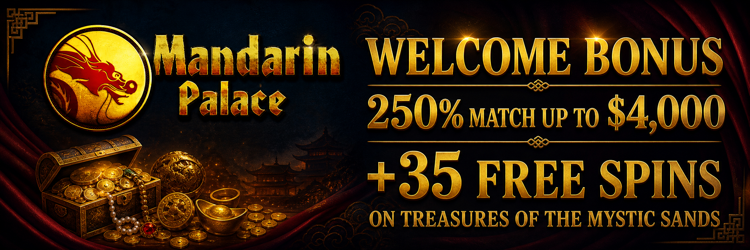
Slot game advertisements encompass a variety of approaches, from digital banners on websites to video commercials on television. With the rise of online casinos, these advertisements have adapted to capture the attention of digital audiences.
The Evolution of Advertising Strategies
Traditionally, slot game advertisements used bright visuals and catchy jingles to draw in players. However, modern strategies now often include:
- Targeting Specific Demographics: Advertisements are tailored to appeal to particular age groups, genders, and interests.
- Mobile Optimization: With many players using smartphones, mobile-friendly ads are crucial.
- Interactive Content: Engaging formats such as quizzes or mini-games enhance the player’s involvement.
The Role of Psychological Triggers
Slot game advertisements frequently leverage psychological triggers to influence player choices. These can include:
- Fear of Missing Out (FOMO): Advertisements often highlight limited-time bonuses or jackpots.
- Social Proof: Testimonials and user reviews are used to convey a sense of community and validation.
- Excitement and Anticipation: Promotions that emphasize thrill can enhance player desire to participate.
The Impact on Player Engagement
The way slot games are advertised significantly affects player engagement. Research shows that:
- Visual Appeal: More visually striking ads tend to attract more clicks and sign-ups.
- Brand Loyalty: Players who consistently see ads for a specific brand are more likely to choose those games.
- Increased Play Time: Players influenced by enticing advertisements often spend longer periods gaming.
The Effect on Player Choices
Advertisements affect not only which games players choose but also how they perceive the gaming experience. This can lead to:
- Preference for Certain Themes: Engaging themes can create a brand’s identity, heavily influencing player choice.
- Increased Awareness of Game Features: Informative ads can help players understand gameplay mechanics better, shaping their choices.
- Shift Toward Online Gaming: Digital ads are driving players to prefer online slots over traditional machines.
Legal and Ethical Considerations
The rise of advertising has prompted discussions about regulation. Some vital points include:
- Age Restrictions: Ensuring that advertisements target appropriate audiences to prevent underage gambling.
- Transparency in Promotions: Offers should be clear and not misleading, particularly regarding odds and payouts.
- Responsible Gambling Initiatives: Advertisements must also promote responsible gambling practices.
Case Studies: Successful Slot Game Campaigns
Several brands have executed innovative advertising campaigns that positively influenced player choices:
- NetEnt’s “Gonzo’s Quest”: The company’s immersive video advertisements increased player interest and game familiarity.
- Microgaming’s “Mega Moolah”: This jackpot-centric advertising emphasized big wins, resonating with a wider audience.
- Evolution Gaming’s Live Casino Ads: These ads fostered excitement about live dealer interactions, shifting player preferences.
Trends in Slot Advertising
As gaming technology evolves, so do advertising trends. Some current trends include:
- Use of Virtual Reality: VR ads can offer immersive previews of gaming experiences.
- Influencer Marketing: Collaborations with gaming influencers can enhance credibility.
- Personalized Advertisements: Data-driven strategies allow for ads tailored to individual gaming profiles.
Conclusion
The impact of slot game advertisements is multi-faceted, affecting not just immediate player choices but also long-term perceptions of gaming brands. As the industry continues to evolve, understanding these impacts is crucial for marketers and players alike.
For further reading on the influence of gambling advertising, check out The Gambling Commission and National Council on Problem Gambling.