


Gaming Revenue Trends: Understanding the Continued Decline in Las Vegas Casinos | 10BET
Las Vegas Casino Gaming Revenue Declines For Third Consecutive Month
Las Vegas casinos faced significant challenges in April, reflecting a casino decline as gaming revenues decreased, continuing a worrying trend for the city’s gambling industry.
- Las Vegas casinos struggled in April, as gaming win slowed.
- Gross gaming revenue (GGR) on the Strip fell by approximately 3% year-over-year.
- Concerns about rising costs and decreased value for customers intensify.
The total gaming revenue for Las Vegas Strip casinos last month dropped to around $646.9 million, reflecting a nearly 3% decline from the previous year. This decline marks the third consecutive month of reduced casino winnings.
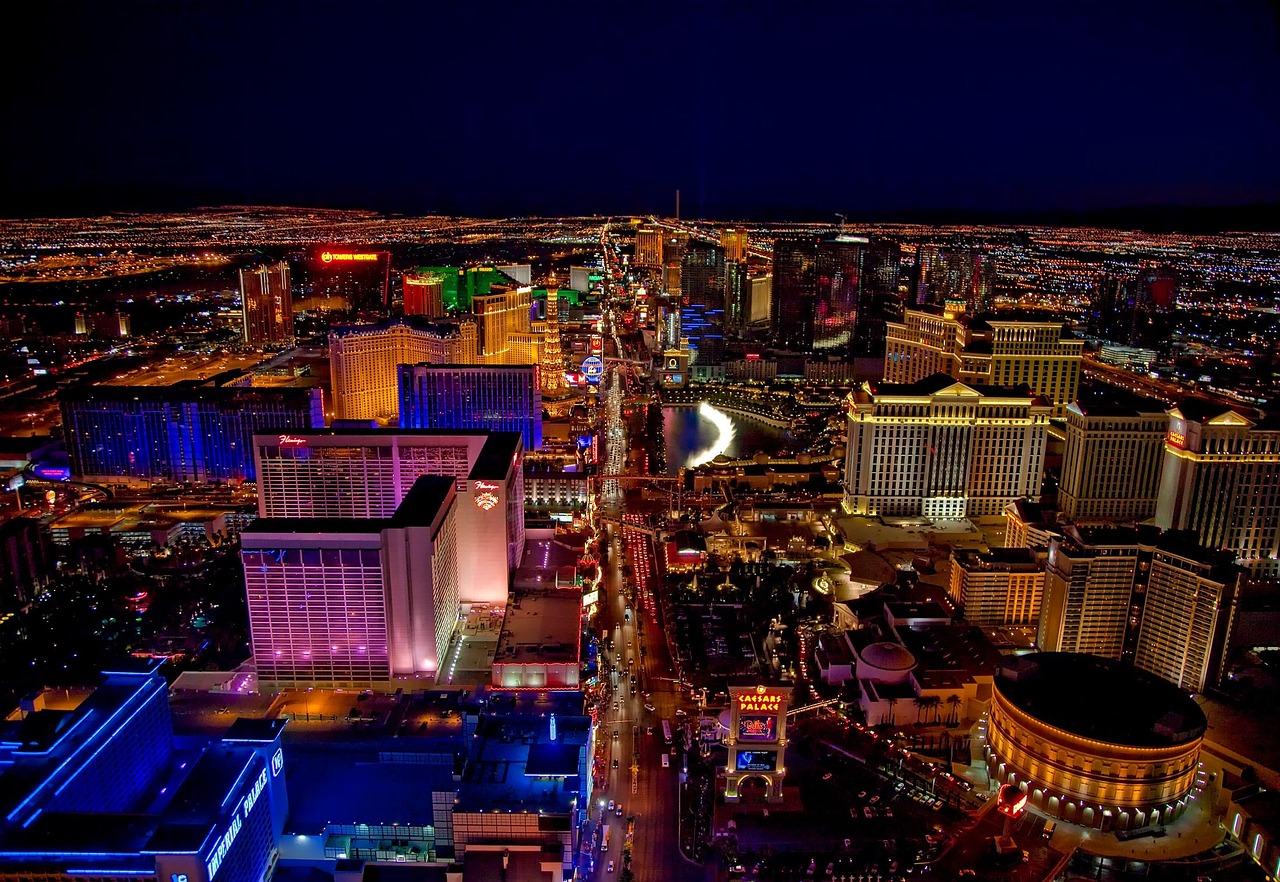
Gaming operators in Nevada are becoming increasingly anxious due to a turbulent global economy. Factors such as rising operational costs and a looming trade war threaten to deter potential visitors. Many would-be tourists are reconsidering their trips to Sin City, as criticism mounts over perceived value for money.
According to the Nevada Gaming Control Board, the decline in the Strip’s GGR can largely be attributed to a downturn in slot machine earnings. While revenues from table games and sportsbooks increased by 1% to $259.4 million, revenues from slot terminals plummeted by more than 5% to $387.5 million.
Clark County reported a GGR of just over $1 billion, indicating a decline of 1.1%. Notably, the Boulder Strip managed to offset some of the Strip’s challenges with an impressive 8% increase in gaming revenue, reaching $89.9 million.
Overall, Nevada’s statewide GGR was approximately $1.23 billion, reflecting a 0.5% drop compared to April 2024. Gaming revenue in Nevada has decreased nearly 4% over the past three months and incurred a 0.5% drop over the past year.
Declining Visitor Numbers
Contributing to these financial woes, the Las Vegas Convention & Visitors Authority revealed that visitor numbers for Southern Nevada fell by over 5% in April, totaling around 3.33 million people. While convention attendance has seen a 14% increase to 573,600, the city still experienced a net loss of 177,600 visitors overall.
This drop in visitors has naturally led to a decrease in hotel occupancy rates, with Strip hotels recording an occupancy rate of 87.6%, down by 0.4%. Downtown hotels were even more impacted, showing nearly a 3% decline in occupancy to 72%.
Despite the downturn in visitors, Strip casinos have managed to increase rates. The average cost for a weekend hotel room on the Strip in April was $194, while midweek stays averaged around $182. In contrast, accommodations in downtown Las Vegas averaged about $101.
The challenges also extended to passenger traffic at Harry Reid International Airport, where total passenger numbers, including arrivals and departures, fell by over 3%, resulting in 4.7 million passengers for the month.
New In-Room Service Fees at Bellagio
In a move met with disapproval, MGM Resorts has introduced additional charges for in-room dining essentials, such as silverware and glassware. Previously free amenities, like parking, were eliminated in 2016, and these latest fees have piled additional costs onto guests.
The Bellagio, branded the “Classic Service,” now charges a $25 fee on top of its extensive room service prices. Guests have a reduced service option, which allows them to pay $10 for “Takeout Service,” albeit presented in eco-friendly packaging using plastic utensils. While framed as a “convenience,” this new charge has stirred dissatisfaction among many.
Other MGM casinos, like the MGM Grand, impose a similar in-room service charge, typically around $10, with guests encouraged to leave tips on top of that operating fee.
The evolving cost structure of Las Vegas remains a hot topic. With customers feeling the pinch, many are questioning the overall value offered by the city. If these trends continue, Las Vegas may need to reconsider its approach to tourism.
In summary, the casino landscape in Las Vegas is currently fraught with challenges. Decreased gaming revenue, declining visitor numbers, and increasing customer dissatisfaction with hidden fees are causing concern for operators and patrons alike. As the city seeks to rejuvenate its gambling appeal, both tourists and local business owners will be keenly watching how this situation unfolds.