

Full House Resorts casino strategy favors growth over new acquisitions

Full House Resorts casino strategy favors growth over new acquisitions

Full House Resorts casino strategy is focused on improving its existing properties rather than buying another casino, according to CEO Dan Lee and President Lewis Fanger. The executives said the small company is busy with Chamonix and American Place and is not actively shopping for acquisitions, even as larger rivals put properties on the market.
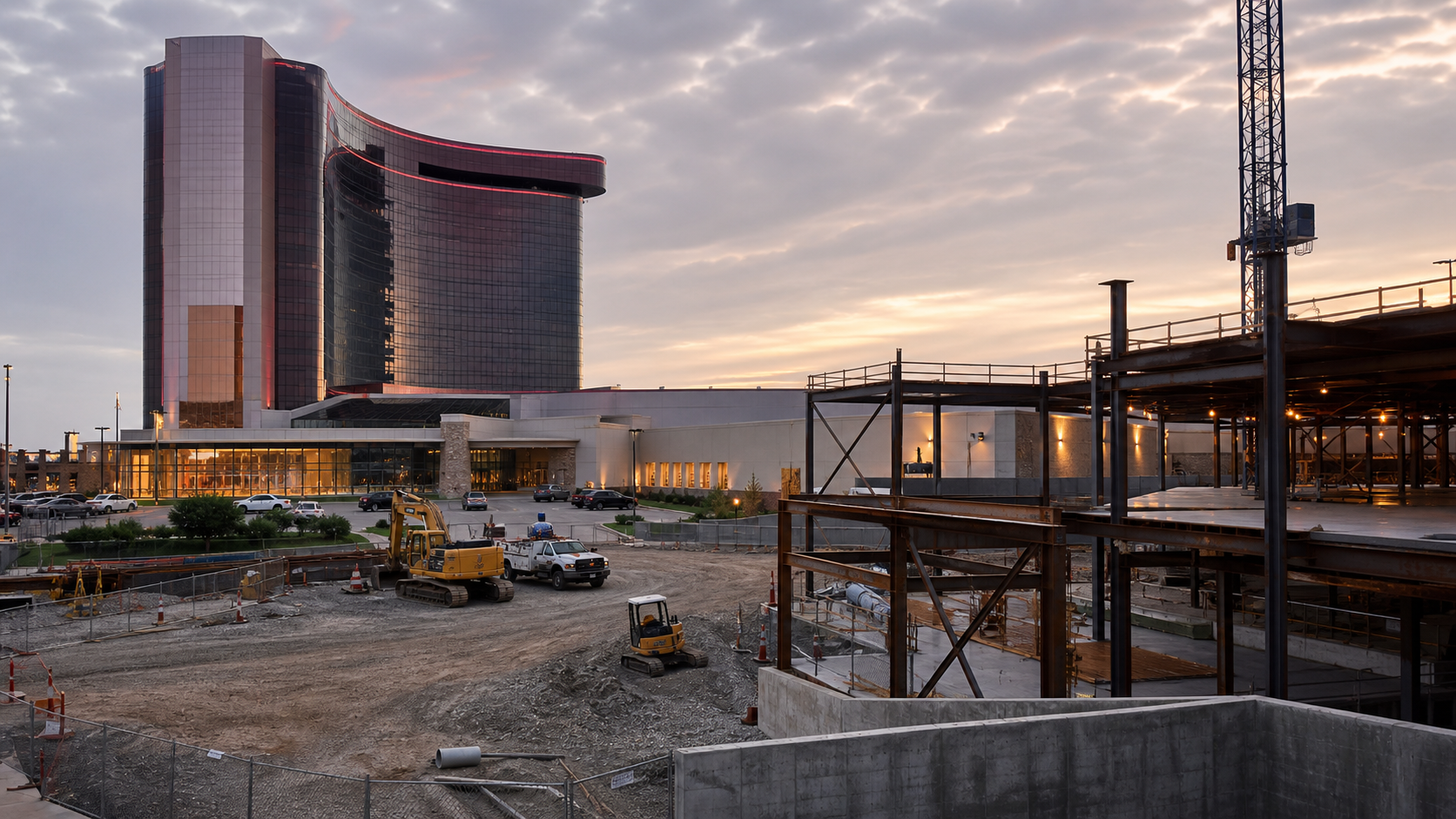
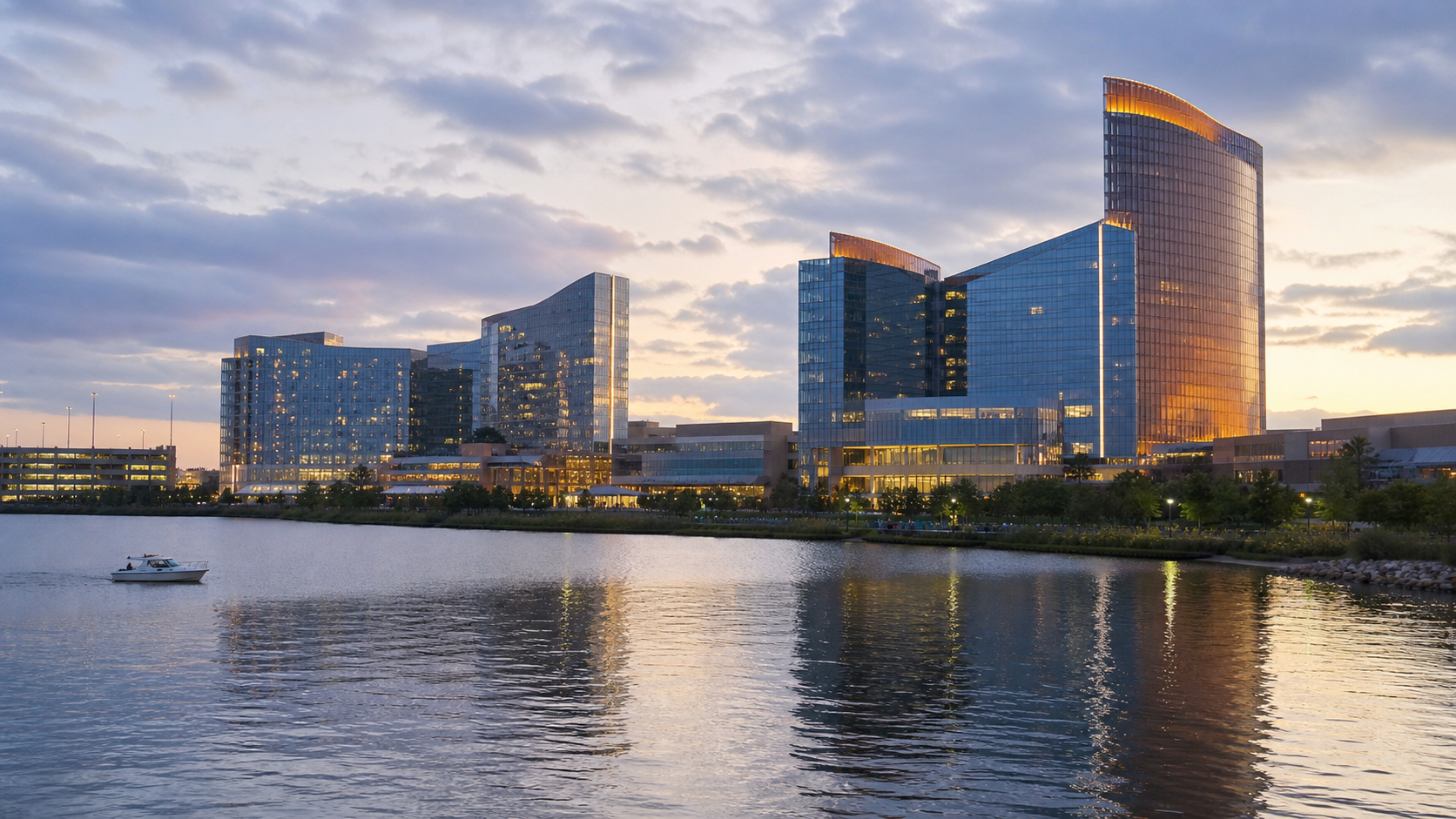
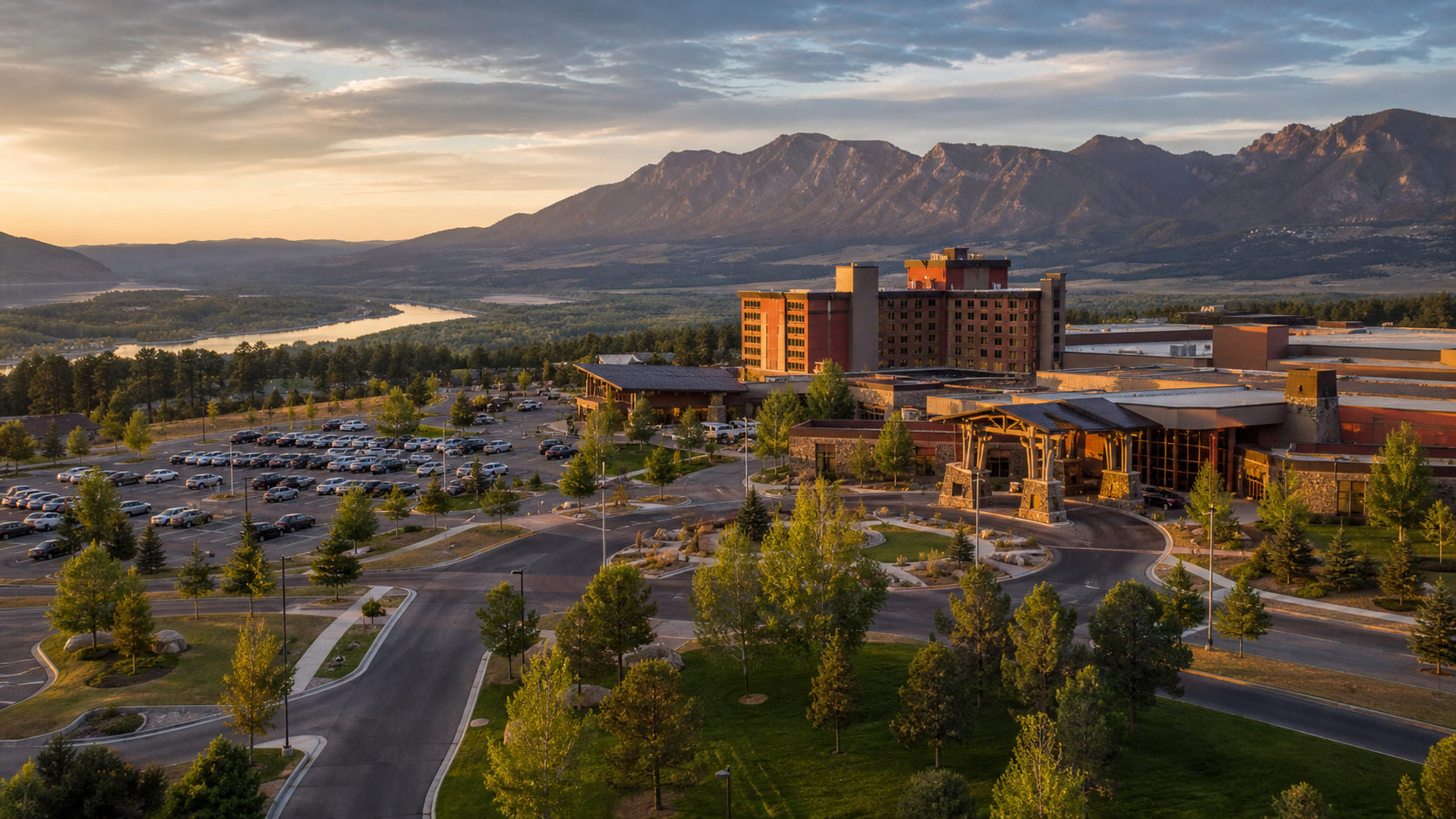
Regional casino resort and construction plans under a clear evening sky

The stance shows how a regional operator can choose execution over expansion. Full House still has financing, design and operating work ahead, so adding another asset could stretch management attention and balance-sheet capacity.

At a glance

  • Why Full House is staying selective
  • The two-property challenge
  • What the strategy means for growth

Why Full House is staying selective

Lee said acquisitions would require financing and debt beyond what Full House already carries, and the company does not want to issue equity at current prices. He left the door open to a future operating-company role for a real-estate investment trust, but the immediate message was caution. A property offered for sale may look attractive while still carrying deferred maintenance, weak demand or a difficult capital structure.

The two-property challenge

Full House’s current work is concentrated at American Place in Illinois and Chamonix in Colorado. American Place generated $12.7 million in May and is moving toward a permanent property budgeted at $302 million. The design has been refined to improve access to restaurants and to use a food hall and more compact back-of-house area. Management expects the permanent project to open with less than full machine capacity.

What the strategy means for growth

At Chamonix, the company is trying to grow revenue and customer quality while holding down expenses. The property has new marketing and casino-host efforts, a casino manager recruited from the Las Vegas market and a larger sales-and-marketing team aimed at group and convention business. Management also repositioned a former restaurant and changed the speakeasy concept after reviewing how customers used the space.

Lee said acquisitions would require financing and debt beyond what Full House already carries, and the company does not want to issue equity at current prices. He left the door open to a future operating-company role for a real-estate investment trust, but the immediate message was caution. A property offered for sale may look attractive while still carrying deferred maintenance, weak demand or a difficult capital structure. For background, read Maryland casino revenue in July.

Full House’s current work is concentrated at American Place in Illinois and Chamonix in Colorado. American Place generated $12.7 million in May and is moving toward a permanent property budgeted at $302 million. The design has been refined to improve access to restaurants and to use a food hall and more compact back-of-house area. Management expects the permanent project to open with less than full machine capacity. Related coverage on this site examines Arkansas casino revenue and mobile betting.

At Chamonix, the company is trying to grow revenue and customer quality while holding down expenses. The property has new marketing and casino-host efforts, a casino manager recruited from the Las Vegas market and a larger sales-and-marketing team aimed at group and convention business. Management also repositioned a former restaurant and changed the speakeasy concept after reviewing how customers used the space. Readers can also compare the issue with Indian gaming revenue.

The strategy is a reminder that growth does not always mean buying more properties. Full House can pursue better performance through design, food and beverage, hosts, amenities and targeted marketing. If those changes improve cash flow, the company may have more options later. For now, disciplined execution appears to be the priority, and customers should judge the properties on service, value and responsible entertainment rather than on expansion headlines.

The facts above are limited to the verified source report and the supporting links named here. Readers should distinguish reported developments from future possibilities, and check official guidance when a rule, license or consumer decision affects them directly. For official context, consult Full House Resorts investor relations and Illinois Gaming Board.

Frequently asked questions

What is the main takeaway?

The stance shows how a regional operator can choose execution over expansion. Full House still has financing, design and operating work ahead, so adding another asset could stretch management attention and balance-sheet capacity. The source report describes the current development; it does not promise a particular commercial or consumer outcome.

What should customers remember?

Check the applicable rules, understand the product or game before participating and keep gambling within a fixed entertainment budget. Never use borrowed money to chase a result.

Responsible gambling note

Gambling should be treated as entertainment, not a way to make money or solve financial problems. Set limits before you play, take breaks and seek independent support if gambling stops feeling manageable.

Original source: Full House won’t be a casino buyer, execs say from CDC Gaming Reports.

Maryland casino revenue falls 4.7% in July

Maryland casino revenue falls 4.7% in July

Maryland casino revenue editorial illustration

Maryland casino revenue is the focus of this US casino-news update after Maryland Gaming: Maryland Casinos Generate $157.9 Million in Gaming Revenue During July '26 reported a development in the American gambling, gaming, lottery, or sports-wagering market. The facts are recent, but the practical meaning depends on the jurisdiction, the status of the relevant process, and what has actually been confirmed.

What the source reported

Maryland Gaming reported that the state’s six casinos generated $157,864,080 from slots and table games in July 2026, down $7,797,814 or 4.7% from July 2025. Casino gaming contributions totaled $68,183,830, down 3.5%, including $49,887,124 for the Education Trust Fund. The state also reported $8.4 million for local communities and jurisdictions, $8 million for Maryland’s horse-racing industry, and $1.7 million for small, minority-, and women-owned businesses. MGM National Harbor led at $60.2 million, followed by Live! Casino & Hotel at $59.2 million.

The original report is the starting point for this article, not a substitute for an official filing, court order, regulator notice, or final company announcement. A revenue figure records a period that has ended, a proposal can change before approval, and a lawsuit or settlement must be described with care. Readers should keep those categories separate when sharing or acting on the news.

Why it matters for the US market

Maryland casino revenue is best read alongside the distribution of proceeds and the performance of individual properties. MGM National Harbor and Live! accounted for most of the total, while Horseshoe, Ocean Downs, Hollywood Perryville, and Rocky Gap posted different year-over-year patterns. The decline in the statewide number does not mean every property or every product moved in the same direction.

The United States is not one uniform casino or betting market. State laws, tribal arrangements, licensing conditions, taxes, age rules, advertising standards, privacy duties, and product definitions differ. A story from Nevada, Wisconsin, Florida, Maryland, Indiana, or another state can have national interest while still producing local consequences. Checking the responsible regulator is often more useful than relying on a recycled headline.

There is also a customer-experience issue. New entertainment, sports events, technology, ownership changes, financial results, and community investments can make a market look exciting, but excitement is not the same as value. A promotion can have conditions, a new platform can have a delayed launch, and a large market can still produce losses. Customers should separate news from personal financial decisions.

What readers should watch next

Readers should compare August results, consult Maryland’s official data tables, and distinguish gross gaming revenue from tax and community contributions. A public benefit does not remove the financial risk of gambling. Anyone who plays should set an entertainment budget and avoid treating state revenue growth or decline as a personal signal.

For reliable follow-up, use the official sources below and look for dated updates rather than recycled headlines:

Related coverage

Existing coverage on this destination site can add local context. These links are provided for information and are not endorsements:

FAQ

What is the main takeaway from this Maryland casino revenue story?

The main takeaway is that one news event needs context. Check what has actually been confirmed, which jurisdiction applies, and whether the next step is a filing, approval, hearing, opening, rollout, or follow-up report. Avoid turning a forecast, allegation, campaign position, or charitable announcement into a certainty.

Does this news mean customers should place a bet?

No. News can explain a market, but it is not personal financial advice and it cannot predict an individual result. Check legality, read the rules, and decide on a fixed entertainment budget before taking part.

Responsible gambling

Gambling involves risk and is not a way to make guaranteed income. Only participate where legal, set a budget and time limit before you begin, avoid chasing losses, and take breaks. If gambling is becoming difficult to control or is affecting your finances, relationships, or wellbeing, contact a qualified gambling-support service in your area.

Original source: Maryland Gaming: Maryland Casinos Generate $157.9 Million in Gaming Revenue During July '26. This article is an original summary and analysis for a US audience; it does not replace legal, financial, tax, medical, or regulatory advice.

Las Vegas Casinos Safety Alert: Police Investigate Body Found in Freezer | 10BET

Las Vegas Casinos Investigation: Police Probe Following Discovery of Body in Freezer

In a shocking turn of events that has sent ripples through the local community and distracted even the most seasoned visitors to Las Vegas casinos, a 37-year-old man has been arrested by the Las Vegas Metropolitan Police Department (LVMPD). The investigation began after human remains were discovered in a locked freezer at his residence, prompting a grim police inquiry that stands in stark contrast to the bright lights and excitement of the citys gaming district.

Police investigation
Image by Sunriseforever from Pixabay

The suspect, Daniel Roush, is facing open murder charges following the gruesome discovery of a 68-year-old woman’s body in the freezer. Authorities have not yet released the identity of the victim.

Chronology of Events

The investigation began when a concerned neighbor alerted the LVMPD about the whereabouts of the missing woman, who was last seen in October. Officers arrived at the mobile home on Tres Piedras Road and, after failing to gain a response, decided to enter the property.

Inside, Roush and another individual exhibited suspicious behavior when questioned about the woman’s absence. Upon discovering a locked fridge, officers sought the help of a locksmith, leading to the horrifying find.

Investigative Process and Implications

The autopsy will be critical, as it aims to confirm the victim’s identity and establish the cause of death. Roush, already facing drug charges, could face a lengthy prison term if convicted of murder.

This case draws on echoes from a prior incident in Las Vegas where another child’s remains were discovered in a freezer, raising concerns about safety in domestic environments.

Ongoing Investigation

While there is speculation regarding additional charges, authorities have not yet released information about any potential involvement of the second individual present during Roush’s arrest. The investigation remains active as police conduct thorough inquiries into the incident.

Conclusion

This disturbing case underscores the complexities and challenges faced by law enforcement in addressing incidents of violence and safety within communities. As the investigation unfolds, it raises difficult questions about domestic safety and the broader implications for the local community.

Poarch Creek grant editorial illustration

Poarch Creek grant brings $24 million federal roadway investment to Alabama

Poarch Creek grant brings $24 million federal roadway investment to Alabama

Poarch Creek grant is back in focus for US gambling readers after Poarch Creek Awarded Historic $24M Federal Roadway Grant highlighted a development published on 2026-08-04. The underlying facts are specific to this story, but the broader market question is familiar: how should operators, regulators, investors, and everyday customers interpret change in a market where casino economics, wagering policy, technology, and consumer protection all move at different speeds?

What happened

Indian Gaming reported that the Poarch Creek Indians received a $24 million federal grant from the US Department of Transportation’s Federal Highway Administration for a four-phase infrastructure project along Jack Springs Road in Escambia County, Alabama. The project is intended to improve travel for tribal citizens, residents, emergency responders, commercial traffic, and visitors. Construction is expected to take about two years, with overall completion anticipated by March 2028.

  • Indian Gaming reported that the Poarch Creek Indians received a $24 million federal grant from the US Department of Transportation’s Federal Highway Administration for a four-phase infrastructure project along Jack Springs Road in Escambia County, Alabama. The project is intended to improve travel for tribal citizens, residents, emergency responders, commercial traffic, and visitors. Construction is expected to take about two years, with overall completion anticipated by March 2028.

The original report matters because it gives a dated source trail instead of rumor alone. In this case, the clearest takeaway is not simply the headline number or the headline conflict. It is the way the update fits into the current US casino and wagering landscape, where state-by-state rules, operator strategy, and consumer expectations can push the same type of news in very different directions.

Why Poarch Creek grant matters now

The Poarch Creek grant shows how tribal development news can extend beyond gaming floors into safety, transport, emergency access, and regional economic infrastructure. That makes Poarch Creek grant a useful lens for readers tracking Poarch Creek Indians infrastructure, Alabama tribal development, federal roadway grant. A single earnings update, regulatory move, or partnership discussion rarely changes the whole industry by itself, but it can reveal where capital, enforcement, and customer attention are heading next.

It also helps to keep the timeline straight. This source story is a July 2026 development, not a historical case study. That means readers should distinguish confirmed facts from follow-on speculation, especially where legislation, partnerships, or future revenue implications are concerned. In a fast-moving market, precision matters more than hype.

What operators, regulators, and consumers should watch

Operators will read this kind of news through margins, product mix, and long-term positioning. Regulators will focus on legality, disclosure, compliance, consumer harm, and whether the public record is clear enough to support oversight. Consumers should read it more practically: what product is actually being offered, which authority is relevant, what limits or rules apply, and whether the story changes the real-world experience of gambling customers today.

Those practical questions become clearer when readers compare the original report with supporting material such as Poarch Creek Awarded Historic $24M Federal Roadway Grant, Federal Highway Administration, National Indian Gaming Commission. On the destination site, related coverage including Arkansas casino revenue posts modest Q2 growth as mobile betting expands, Indian gaming revenue rises 5.3% to $46.2 billion in FY 2025, Sports Betting Finance Impact: DraftKings Stock Plummets Following 2024 Guidance Cuts adds context about how the same themes have appeared in other casino and betting stories. Those links are for context, not endorsement, and they help show how this one development connects to wider US gambling coverage.

What comes next

Readers should follow federal project updates and local construction information, and should not assume that a grant announcement means every phase is already complete. For that reason, the most responsible interpretation is a measured one. Readers should expect more reporting, follow the relevant regulator or operator, and avoid treating an initial report as the final word when legal status, implementation, or commercial impact may still evolve.

That is especially true in casino and betting coverage because the stakes extend beyond revenue headlines. Product access, state legality, tax collections, responsible-gambling systems, and public trust all matter. A strong article keeps the original source visible, adds authoritative context, and avoids inventing claims that the source did not actually make.

FAQ

Does this update change gambling rules everywhere in the United States?

No. Casino and betting rules remain heavily shaped by state law, tribal compacts, licensing conditions, and regulator guidance. A development in one jurisdiction or company does not automatically apply nationwide.

What should readers verify before acting on this kind of news?

Check the original source, confirm the date, identify the relevant regulator or operator, and review any official terms or legislative text before treating the story as settled.

How can gambling stay recreational?

Set a budget before you play, avoid chasing losses, take breaks, and treat gambling as entertainment rather than income. If it stops feeling manageable, reach out to a qualified support service.

Responsible gambling: Gambling involves risk and is not a guaranteed way to make money. Only play where legal, use funds you can afford to lose, and seek help if gambling is affecting your finances, relationships, or wellbeing.

Original source: Poarch Creek Awarded Historic $24M Federal Roadway Grant. Authoritative supporting links: Poarch Creek Awarded Historic $24M Federal Roadway Grant, Federal Highway Administration, National Indian Gaming Commission.

Arkansas casino revenue posts modest Q2 growth as mobile betting expands

Arkansas casino revenue posts modest Q2 growth as mobile betting expands

Arkansas casino revenue editorial illustration

Arkansas casino revenue is the focus of this US casino-news update after Action Network — News: Arkansas Casinos See Modest Q2 Growth as Sports Betting Handle Surges reported a development in the American gambling, gaming, lottery, or sports-wagering market. The facts are recent, but the practical meaning depends on the jurisdiction, the status of the relevant process, and what has actually been confirmed.

What the source reported

The Action Network reported that Arkansas’s three casinos — Oaklawn, Southland, and Saracen — combined for about $189.1 million in net win from April through June, up 2.8% from $184.23 million a year earlier. The quarter was also the first full three-month period after FanDuel launched with Oaklawn and DraftKings launched with Southland in late March. Mobile betting handle nearly doubled year over year. June taxable gaming revenue was about $12.59 million, down roughly 4.8% year over year, illustrating that monthly revenue can move differently from betting volume.

The original report is the starting point for this article, not a substitute for an official filing, court order, regulator notice, or final company announcement. A revenue figure records a period that has ended, a proposal can change before approval, and a lawsuit or settlement must be described with care. Readers should keep those categories separate when sharing or acting on the news.

Why it matters for the US market

Handle and revenue are not interchangeable. Handle measures the amount wagered, while taxable revenue reflects what remains after payouts and promotional costs. A new sportsbook can attract substantial activity with introductory offers while producing a slower financial return. Arkansas’s small, concentrated market makes the effect of a few operators especially visible.

The United States is not one uniform casino or betting market. State laws, tribal arrangements, licensing conditions, taxes, age rules, advertising standards, privacy duties, and product definitions differ. A story from Nevada, Ohio, New Jersey, California, Arkansas, or another state can have national interest while still producing local consequences. Checking the responsible regulator is often more useful than relying on a recycled headline.

There is also a customer-experience issue. New entertainment, sports events, technology, ownership changes, and financial results can make a market look exciting, but excitement is not the same as value. A promotion can have conditions, a new license can have a delayed launch, and a large market can still produce losses. Customers should separate news from personal financial decisions.

What readers should watch next

The next useful evidence is whether promotional spending eases and whether mobile activity creates new demand or mainly shifts customers between platforms. Readers should verify numbers with Arkansas regulators and distinguish casino net win, sports handle, and taxable receipts. Betting volume is not a measure of personal success, and promotions should never be treated as free money.

For reliable follow-up, use the official sources below and look for dated updates rather than recycled headlines:

Related coverage

Existing coverage on this destination site can add local context. These links are provided for information and are not endorsements:

FAQ

What is the main takeaway from this Arkansas casino revenue story?

The main takeaway is that one news event needs context. Check what has actually been confirmed, which jurisdiction applies, and whether the next step is a filing, approval, hearing, opening, rollout, or follow-up report. Avoid turning a forecast, allegation, or campaign position into a certainty.

Does this news mean customers should place a bet?

No. News can explain a market, but it is not personal financial advice and it cannot predict an individual result. Check legality, read the rules, and decide on a fixed entertainment budget before taking part.

Responsible gambling

Gambling involves risk and is not a way to make guaranteed income. Only participate where legal, set a budget and time limit before you begin, avoid chasing losses, and take breaks. If gambling is becoming difficult to control or is affecting your finances, relationships, or wellbeing, contact a qualified gambling-support service in your area.

Original source: Action Network — News: Arkansas Casinos See Modest Q2 Growth as Sports Betting Handle Surges. This article is an original summary and analysis for a US audience; it does not replace legal, financial, tax, medical, or regulatory advice.

Indian gaming revenue rises 5.3% to $46.2 billion in FY 2025

Indian gaming revenue rises 5.3% to $46.2 billion in FY 2025

Indian gaming revenue US casino news illustration

Indian gaming revenue is the focus of this US casino-news update after Indian Gaming: Indian Gaming Grows 5.3% to $46.2B in FY 2025 reported a development involving the American gambling, sports, hospitality, or gaming-technology market. The report is specific, but it also raises a broader question about how operators, regulators, teams, and customers respond when a fast-moving story reaches a public audience.

What the source reported

Indian Gaming reported that the National Indian Gaming Commission announced $46.2 billion in gross gaming revenue for fiscal year 2025. The figure was $2.3 billion higher than fiscal 2024, a 5.3% increase. The data came from independently audited financial statements submitted by 545 gaming establishments operated by 246 tribes across 29 states, with seven of the NIGC’s eight regions reporting growth. NIGC defines gross gaming revenue as the amount wagered minus winnings returned to players and uses the measure to assess trends and support regulatory policy.

The original report is the starting point for this article, not a substitute for an official filing, court order, regulator notice, or final company announcement. The difference matters. An earnings report records a period that has ended, a proposal can change before approval, and an arrest or lawsuit describes allegations that still have to move through a legal process. Readers should keep those categories separate when sharing or acting on the news.

Why this matters for the US market

The national figure is significant, but it is not a profit figure for every casino or a direct measure of money available to tribal governments. Results differ by region, property, market, and operating costs. The broader importance is that tribal gaming revenue can support sovereign-government services and community investment while operating under the Indian Gaming Regulatory Act.

The United States is not one uniform casino or betting market. State laws, tribal arrangements, licensing conditions, taxes, age rules, advertising standards, and product definitions can differ substantially. A story about a Nevada resort, a Florida tribal property, an Iowa opening, a Maryland revenue report, or a New York partnership may have national interest while still producing local consequences. That is why a careful reader checks the jurisdiction and the organization with authority over the activity.

There is also a customer-experience issue. New entertainment, sports events, technology, and financial results can make a market look exciting, but excitement is not the same as value. Operators must balance demand with compliance, staffing, customer support, and transparent terms. Customers should make the same distinction: a new product or a large headline does not guarantee a win, a refund, a tax outcome, or a better offer.

What readers should watch next

Readers should compare future NIGC releases by region and fiscal year and read the definitions behind the headline number. A rise in gross gaming revenue does not mean every customer won or that gambling provides dependable income. Anyone who participates should do so legally, set a time and money limit, and use available support if play becomes difficult to control.

For the most reliable follow-up, use the official sources below and look for dated updates rather than recycled headlines:

Related coverage

Existing coverage on this destination site can add local context. These links are provided for information and are not endorsements:

FAQ

What is the main takeaway from this Indian gaming revenue story?

The main takeaway is that a single news event needs context. Check what has actually been confirmed, which jurisdiction applies, and whether the next step is a filing, approval, hearing, opening, rollout, or follow-up report. Avoid turning a forecast or allegation into a certainty.

Does this news mean customers should place a bet?

No. News can explain a market, but it is not personal financial advice and it cannot predict an individual result. Check legality, read the market rules, and decide on a fixed entertainment budget before taking part.

Responsible gambling

Gambling involves risk and is not a way to make guaranteed income. Only participate where legal, set a budget and time limit before you begin, avoid chasing losses, and take breaks. If gambling is becoming difficult to control or is affecting your finances, relationships, or wellbeing, contact a qualified gambling-support service in your area.

Original source: Indian Gaming: Indian Gaming Grows 5.3% to $46.2B in FY 2025. This article is an original summary and analysis for a US audience; it does not replace legal, financial, medical, tax, or regulatory advice.

Sports Betting Finance Impact: DraftKings Stock Plummets Following 2024 Guidance Cuts

DraftKings Stock Plummets: Impact on Sports Betting Finance Following 2024 Guidance Cuts

In the competitive world of online sports betting, the broader sports betting finance sector is facing challenges, as evidenced by the fact that DraftKings (NASDAQ: DKNG) has faced a notable decline in its stock value. Following a reduction in its earnings and revenue projections for 2024, shares of the popular sportsbook operator fell by 5.71% in after-hours trading.

sports betting finance
Image by RyanMcGuire from Pixabay

Adjustments in Financial Expectations

DraftKings announced that it now anticipates earnings before interest, taxes, depreciation, and amortization (EBITDA) to be between $240 million and $280 million, alongside projected revenues of $4.85 billion to $4.95 billion. This adjustment was necessitated by ‘customer-friendly sports outcomes’ adversely affecting the company’s financials early in the fourth quarter.

These new estimates are a sharp decline from guidance provided back in August, which suggested an EBITDA range of $340 million to $420 million and revenues between $5.05 billion and $5.25 billion.

Future Outlook

Despite the turbulence in the short term, DraftKings has outlined robust expectations for fiscal year 2025. The company projects $6.2 billion to $6.6 billion in revenue—a promising forecast that suggests approximately 31% year-over-year growth. The 2025 EBITDA is expected to be between $900 million and $1 billion, setting a positive tone for potential recovery.

DraftKings Q3 Performance Review

The third quarter performance has been notably strong, largely attributed to the commencement of the football season, with revenues hitting $1.09 billion, marking a 39% increase year-over-year. Additionally, monthly unique players surged by 56%, indicating a growing customer base. Nevertheless, the average revenue per monthly unique player (ARPMUP) saw a decline influenced by the recent acquisition of the online lottery service, Jackpocket.

Investors will be closely watching how DraftKings navigates the rest of the fiscal year as it strives to maintain its market position amidst fluctuating customer outcomes and changing market dynamics.

Conclusion

As DraftKings adapts to an evolving market landscape, how it addresses these challenges will be critical for its future success. Investors remain hopeful as the company’s long-term guidance indicates promising growth despite current setbacks.

New York Kalshi lawsuit intensifies the fight over prediction markets

New York Kalshi lawsuit intensifies the fight over prediction markets

New York Kalshi lawsuit US casino news illustration

New York Kalshi lawsuit is the focus of this US casino-news update after G3 Newswire: New York sues Kalshi over 'illegal gambling' claims reported a development involving the American gambling, sports, hospitality, or gaming-technology market. The report is specific, but it also raises a broader question about how operators, regulators, teams, and customers respond when a fast-moving story reaches a public audience.

What the source reported

G3 Newswire reported that New York Attorney General Letitia James filed a lawsuit accusing Kalshi of operating an unlicensed gambling business. The state alleges that Kalshi offers contracts on sports, elections, culture, and other events without a New York Gaming Commission license, and the state is seeking financial remedies. The report said Kalshi rejects the allegations, describes the case as political theatre, and argues that federally regulated exchange rules apply. It also described a wider multi-state and federal court dispute.

The original report is the starting point for this article, not a substitute for an official filing, court order, regulator notice, or final company announcement. The difference matters. An earnings report records a period that has ended, a proposal can change before approval, and an arrest or lawsuit describes allegations that still have to move through a legal process. Readers should keep those categories separate when sharing or acting on the news.

Why this matters for the US market

The case illustrates why prediction markets are difficult to classify. A contract can be described as an exchange product, but a state may focus on the money stake, uncertain event, consumer safeguards, age rules, and tax or licensing framework. A lawsuit records allegations and legal positions; it is not itself a final ruling that resolves the conflict.

The United States is not one uniform casino or betting market. State laws, tribal arrangements, licensing conditions, taxes, age rules, advertising standards, and product definitions can differ substantially. A story about a Nevada resort, a Florida tribal property, a Kentucky lottery winner, a California technology installation, or a New York legal dispute may have national interest while still producing local consequences. That is why a careful reader checks the jurisdiction and the organization with authority over the activity.

There is also a customer-experience issue. New entertainment, sports events, technology, and financial results can make a market look exciting, but excitement is not the same as value. Operators must balance demand with compliance, staffing, customer support, and transparent terms. Customers should make the same distinction: a new product or a large headline does not guarantee a win, a refund, a tax outcome, or a better offer.

What readers should watch next

Readers should follow court orders, regulator notices, and the platform’s current state-by-state availability. They should not assume that online access proves legality in their location or that a federal claim automatically overrides state consumer rules. Anyone considering a prediction product should read settlement rules and risk disclosures and avoid money they cannot afford to lose.

For the most reliable follow-up, use the official sources below and look for dated updates rather than recycled headlines:

Related coverage

Existing coverage on this destination site can add local context. These links are provided for information and are not endorsements:

FAQ

What is the main takeaway from this New York Kalshi lawsuit story?

The main takeaway is that a single news event needs context. Check what has actually been confirmed, which jurisdiction applies, and whether the next step is a filing, approval, hearing, opening, rollout, or follow-up report. Avoid turning a forecast or allegation into a certainty.

Does this news mean customers should place a bet?

No. News can explain a market, but it is not personal financial advice and it cannot predict an individual result. Check legality, read the market rules, and decide on a fixed entertainment budget before taking part.

Responsible gambling

Gambling involves risk and is not a way to make guaranteed income. Only participate where legal, set a budget and time limit before you begin, avoid chasing losses, and take breaks. If gambling is becoming difficult to control or is affecting your finances, relationships, or wellbeing, contact a qualified gambling-support service in your area.

Original source: G3 Newswire: New York sues Kalshi over 'illegal gambling' claims. This article is an original summary and analysis for a US audience; it does not replace legal, financial, medical, tax, or regulatory advice.

Casino Parking Garage Lawsuit: Car Thief Blinds Police with Taser in High-Stakes Incident | 10BET

Casino Lawsuit Filed: Police Misconduct at Ameristar Parking Garage Leaves Car Thief Blinded by Taser

A Denver car thief has initiated legal proceedings against a former deputy of the Gilpin County Sheriff’s Office, alleging police misconduct after a confrontation at the Ameristar Casino in Blackhawk, Colorado, left him blinded in one eye.

Police misconduct
Image by DariuszSankowski from Pixabay

The plaintiff, Christopher Bustos, is alleging assault by former deputy Filip Perry, citing the officer’s use of excessive force during his arrest. Following the incident in March 2023, Bustos is serving a decade-long sentence for aggravated motor vehicle theft.

The Incident Unfolds

On March 19, 2024, Bustos was in his vehicle at the Ameristar Casino with a passenger when Perry approached him. Knowing the vehicle was reported stolen, Perry ordered Bustos out at gunpoint. The lawsuit details an alarming violation of procedure as Perry allegedly threatened Bustos, asserting, “shut the f*ck up” while aiming his weapon at him.

According to the complaint, without any warning, Perry tasered Bustos in the left eye, leading to permanent sight loss and the necessity for future surgical intervention to remove the eye and replace it with a prosthetic.

Legal Allegations and Consequences

The lawsuit articulates significant concerns regarding civil rights violations, claiming Bustos was subjected to unreasonable searches and seizures. Seeking damages for a multitude of grievances—including medical expenses, economic impact, and emotional distress—the complaint aims to hold Perry accountable for his actions.

Perry’s Controversial History

Former deputy Perry has been a figure of controversy, currently charged with official misconduct following an unrelated incident. Within the internal investigation, he was reportedly discovered having boasted in text messages about causing Bustos’ injury, branding himself as a “big, tough lawman.”

This lawsuit not only sheds light on the legal ramifications of police misconduct but also raises questions about accountability and the treatment of individuals in custody regardless of their offenses.

Conclusion

The case reflects ongoing debates over police practices and civil rights. As Bustos seeks justice for his injuries, the outcome could have implications for law enforcement protocols and the protection of individuals’ rights during interactions with the police.

Gasser Chair president appointment highlights leadership change in tribal gaming supply

Gasser Chair president appointment highlights leadership change in tribal gaming supply

The Gasser Chair president appointment brings Kevin Bradford into a new leadership role at a company connected to the tribal gaming supply chain. Indian Gaming reported the personnel change on July 30, adding to a series of leadership and operating updates across the US tribal casino industry.

Why supplier leadership matters

Gaming suppliers influence the equipment, furniture, technology, service, and operating tools that casinos use every day. A chair may sound like a small part of the casino environment, but the comfort, durability, accessibility, and maintenance of guest-facing equipment can affect a property’s practical operations. Suppliers also work with casinos that have different design standards, budgets, traffic levels, and community priorities.

A leadership transition at a supplier can therefore affect product development, customer service, manufacturing decisions, and relationships with tribal enterprises. It can also shape how a company responds to broader changes in the market, such as cashless systems, new game formats, smoke-free spaces, accessibility expectations, and the need to control operating costs.

Tribal gaming is a specialized market

Tribal casinos are not simply smaller versions of commercial properties. They operate under tribal, federal, and sometimes state frameworks, with each tribal nation retaining its own governance and economic priorities. Vendors that understand that context can be better positioned to design useful products and support long-term relationships rather than treating each installation as a one-time sale.

That context also makes responsible procurement important. A casino may need to evaluate a supplier’s quality controls, service response, warranties, data practices, workforce standards, and ability to deliver consistently. A new president can use the transition to review those systems while preserving the relationships that customers value.

What the market is watching

Readers should look for official company information about Bradford’s background, priorities, and the products or services Gasser Chair intends to emphasize. The appointment itself does not establish a revenue forecast or a new contract. Those questions will be answered through customer announcements, product launches, hiring, and future industry events.

The personnel news is still useful because it shows how the tribal gaming ecosystem is made up of operators, regulators, suppliers, technology companies, hospitality teams, and community institutions. Leadership changes at any one layer can influence the way the wider industry approaches guest experience and operating efficiency.

Responsible gambling note

Better casino equipment does not change game odds. Treat gambling as entertainment, set a loss limit before play, and step away if you feel pressure to continue.

Suppliers shape the guest experience

Casino equipment and furnishings are judged by people who may never know the supplier’s name. They notice whether a seat is comfortable, whether equipment is reliable, whether maintenance is fast, and whether a space feels welcoming. That makes supplier leadership relevant to the ordinary guest experience as well as to procurement teams.

Bradford’s appointment gives Gasser Chair an opportunity to explain how it will support tribal and commercial customers in a changing market. The useful evidence will come from product quality, service delivery, customer relationships, and transparent business updates. A personnel announcement is a starting point for that evaluation, not its conclusion.

Leadership in this part of the industry also involves listening to operators. Casinos have to balance guest comfort with durability, cleaning, accessibility, replacement cycles, and the physical layout of a gaming floor. A supplier that understands those constraints can contribute more than a product catalogue alone. It can help an operator make a practical improvement without losing sight of maintenance, training, and the guest experience.

FAQ

What does Gasser Chair supply?

The company is part of the gaming supply chain, where equipment and guest-facing furnishings support casino operations. The source report focuses on the leadership appointment rather than announcing a specific product launch.

Does a new president guarantee growth?

No. The appointment is a personnel change. Future products, customer announcements, service performance, and financial results would be needed to assess business impact.

Source and further reading

Original source: Indian Gaming, “Gasser Chair Names Kevin Bradford as President”.

Authoritative context:

Related coverage: