


The Importance of Transparency in Crypto Online Casinos

Transparency
Image by jplenio from Pixabay

The Importance of Transparency in Crypto Online Casinos

The rise of cryptocurrency has revolutionized the online gambling industry, introducing new opportunities and challenges. One of the most pressing issues that has emerged in this sphere is the need for transparency. Transparency in crypto online casinos is vital for ensuring trust, safety, and fairness in a landscape often scrutinized for its opacity. In this article, we will delve into various aspects of transparency and its significance in crypto online casinos.

1. Building Trust with Players

Trust is the cornerstone of any gambling platform. For crypto online casinos, transparency means openly sharing information about game fairness, transaction processes, and overall operations. When players know they can trust a casino with their funds and data, they are more likely to play and deposit. According to a survey by Statista, 70% of gamers prioritize trust when selecting online casinos.

2. Fair Play and Game Integrity

Fair play is an essential aspect of online gaming. Crypto casinos often use random number generators (RNGs) to ensure game integrity. Transparency around how these RNGs function and the algorithms behind them allows players to verify that outcomes are random and not manipulated. A commitment to fairness can be demonstrated through third-party audits, which reputable crypto casinos often publish.

Examples of Fair Play Initiatives:

  • Independent audits by organizations like eCOGRA (eCOGRA)
  • Providing players with access to game history and probability information
  • Clear terms and conditions regarding bonus offers and gameplay rules

3. Regulatory Compliance

As the cryptocurrency landscape evolves, so do the regulations governing it. Transparency ensures that online casinos comply with local laws and regulations. This compliance promotes responsible gambling practices, protecting vulnerable players from potential exploitation. Additionally, transparent reporting mechanisms allow authorities to supervise and investigate casinos effectively.

Importance of Compliance:

  • Regulates player protection standards
  • Ensures ethical gambling practices
  • Promotes anti-money laundering (AML) measures

4. Safeguarding Player Data

Player privacy is paramount, especially in online casinos handling cryptocurrency transactions. Transparency about data collection practices, storage security, and sharing policies helps foster a secure environment where players know their information is protected. Players should seek casinos that follow data protection regulations such as the GDPR (General Data Protection Regulation).

5. Clear Withdrawal Processes

Crypto transactions can sometimes seem complicated, especially when it comes to withdrawing winnings. A transparent casino will provide clear information about withdrawal processes, including fees, processing times, and any potential restrictions. This openness can contribute to a smoother, more satisfying player experience.

Best Practices for Withdrawal Transparency:

  • Display withdrawal terms prominently
  • Clearly outline fees associated with each withdrawal method
  • Provide estimated processing times for various cryptocurrencies

6. Community Engagement and Feedback

Transparency extends beyond how casinos operate. Engaging with the player community and being open to feedback helps casinos improve their services and build a loyal player base. Online platforms that encourage user reviews and feedback can enhance their transparency levels and earn the trust of potential customers.

Ways to Engage with Players:

  • Responding proactively to player feedback on forums and social media
  • Hosting Q&A sessions about policies and changes
  • Offering channels for reporting issues or complaints efficiently

7. The Role of Blockchain Technology

Blockchain technology provides a unique opportunity for enhanced transparency in online gambling. Every transaction made using cryptocurrencies is recorded on a public ledger, providing verification that can reassure players about the integrity of their bets and payouts. This traceability can also prevent fraud and abuse.

8. Educating Players About Transparency

While transparency is essential, it is equally important to educate players about what it means and how they can identify transparent practices. Casinos should provide resources that help players understand the importance of compliance, data protection, and fair play.

Conclusion

In conclusion, transparency is a foundational element in the success of crypto online casinos. It fosters trust, ensures fair play, ensures regulatory compliance, and protects player data. As players become increasingly aware and demanding of transparent practices, casinos that uphold these standards will likely stand out in a competitive marketplace.

How Casino Game Development Shapes Modern Gaming Strategies | 10BET

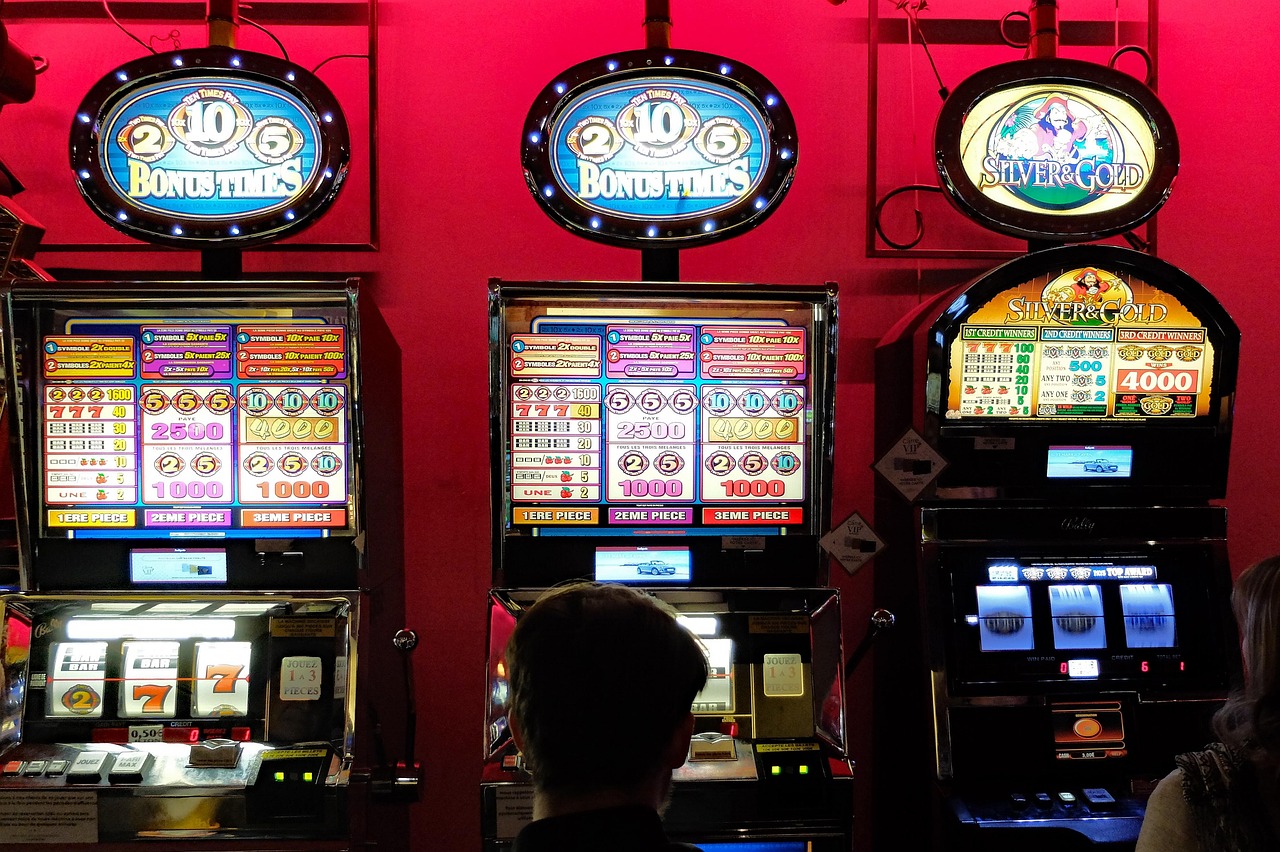
Casino gaming
Image by djedj from Pixabay

Introduction

The gaming industry has undergone significant evolution in the past decade, with the specialized field of casino game development becoming the engine driving the modern gambling ecosystem. Rather than just focusing on simple mechanics, professional casino game development now plays an essential role in shaping sophisticated casino strategies, enhancing immersive player engagement, and driving long-term profitability. This article delves into the multifaceted impact of casino game development and how this technical expertise shapes the broader landscape of global casinos.

The Evolution of Game Development in Casinos

Game development has evolved with technology, moving from traditional brick-and-mortar establishments to the dynamic world of online casinos. The shift has facilitated the adoption of cutting-edge technology, allowing developers to create immersive experiences that were previously unimaginable.

Advancements in Technology

Technology advancements such as HTML5, VR, and AR have transformed game design, enabling casinos to offer more engaging experiences through:

  • Mobile compatibility
  • High-definition graphics
  • Interactive features

Creating Engaging User Experiences

User experience (UX) is crucial in retaining players and maximizing their time spent at online casinos. Game developers employ various strategies to enhance UX, including:

Player-Centric Design

Developers focus on intuitive game interfaces, making it easy for players to navigate and immerse themselves in gameplay. Features like autoplay and detailed tutorials cater to both seasoned gamblers and newcomers.

Gamification Elements

Gamification techniques, such as leaderboards and achievements, motivate players and keep them engaged, significantly affecting their gaming behavior.

Data-Driven Decision Making

Implementing analytics tools allows game developers to collect and analyze player behavior data, which can be a game changer for casino strategies. This data helps developers to:

  • Identify popular game features
  • Understand player preferences
  • Optimize game performance

Feedback Loop with Casinos

By maintaining a close feedback loop with casino operators, developers can quickly adapt their products to meet the evolving needs of players, ensuring higher satisfaction rates.

Influencing Marketing Strategies

Game developers also contribute significantly to casino marketing strategies. As they create unique game titles with varying themes and features, casinos can leverage these offerings to design targeted marketing campaigns that attract specific demographic groups.

Cross-Promotional Opportunities

New game launches often come with promotional opportunities, such as welcome bonuses or free spins, which casinos can use to entice players, driving traffic and revenue.

Regulatory Compliance and Responsible Gaming

In today’s regulated gambling environment, developers must ensure their games meet legal standards and promote responsible gaming practices. This includes:

  • Integration of responsible gaming features
  • Compliance with regional regulations

The Future of Game Development in Casino Strategies

As technology continues to evolve, the role of game developers will only become more crucial. Future trends may include:

  • Increased use of artificial intelligence for personalized experiences
  • Enhanced VR and AR integration for immersive gameplay
  • Expanding blockchain technologies for secure transactions and transparency

Collaboration Between Game Developers and Casinos

Stronger collaboration will likely emerge, with developers working closely with casinos to ensure their games align with strategic goals, fostering a mutually beneficial relationship.

Conclusion

In conclusion, game developers occupy a central role in the gambling industry, influencing everything from user experience to marketing strategies. Their innovative approaches to gameplay and technology not only shape casino operations but also enhance player satisfaction and engagement. As the industry continues to evolve, the collaboration between developers and casinos will be crucial for sustained growth.

For further information on the importance of game developers in the gaming industry, visit Gaming Today or iGaming Business.

Exploring the Fascinating World of Japanese Table Games

Table games
Image by Ogutier from Pixabay

Introduction

Table games have a long-standing tradition in Japanese culture, offering not just entertainment but also insights into the nation’s rich historical tapestry. From ancient games to contemporary adaptations, Japanese table games are a reflection of community, strategy, and artistry.

The Historical Significance of Japanese Table Games

Japanese table games have evolved over centuries. Many games originated from China and were adapted to fit the local culture. For instance, Mahjong gained popularity in Japan in the early 20th century, becoming a quintessential game at social gatherings.

Evolution Over Time

The transformation of these games denotes changes in societal norms and practices. Initially played by the elite, table games became accessible to all tiers of society, showcasing an interesting evolution in the perception of leisure and entertainment.

Popular Types of Japanese Table Games

Several table games have stood the test of time in Japan, each offering a unique flavor and experience:

  • Shogi: Often referred to as Japanese chess, Shogi has unique pieces that can be promoted, enhancing strategic depth.
  • Go: Known for its simplicity yet profound complexity, Go is a board game with an ancient heritage that promotes territorial control.
  • Riichi Mahjong: A Japanese edition of Mahjong, Riichi Mahjong includes various local rules such as the Riichi declaration, amplifying excitement.
  • Othello: A strategy game played on an 8×8 grid, Othello is beloved for its easy-to-learn rules yet deep tactical possibilities.

Rules and Gameplay

Each Japanese table game has its own set of rules that can initially seem complex to newcomers. Here’s a brief overview of the basic rules for some of the most popular games:

Shogi

In Shogi, each player starts with 20 pieces, and the objective is to checkmate the opponent’s king. Unique to Shogi is the ability to reintroduce captured pieces back onto the board as one’s own.

Go

The aim in Go is to control more territory than your opponent. Players place black and white stones on a 19×19 grid, striving to encircle and capture their adversary’s stones.

Riichi Mahjong

In Riichi Mahjong, players draw and discard tiles, aiming to complete a meld of sets and a pair. The game features unique betting elements, such as declaring “Riichi” to indicate a winning hand.

Othello

The goal in Othello is to have the majority of your color discs on the board by the end of the game. Players must outmaneuver opponents by flipping their discs and control more space.

Social and Cultural Aspects

Table games in Japan are more than just pastimes; they are integral to social interactions and cultural gatherings. They foster community and camaraderie, often played in tea houses, during festivals, or at home gatherings.

Community Building

Through table games, players build friendships and strengthen community ties. Events and tournaments are common, offering opportunities for social engagement.

The Rise of Digital Adaptations

With technology evolving, many traditional Japanese table games have transitioned into the digital realm. Online platforms and mobile apps are making these games accessible to a broader audience. Games like Shogi and Riichi Mahjong can now be played online, allowing for international competition and enjoyment.

Conclusion

The world of Japanese table games is a captivating blend of tradition, strategy, and social interaction. As they continue to evolve, these games remain faithful to their cultural roots while adapting to modern times.

Further Reading and Resources

To expand your understanding of Japanese table games, you may find the following resources useful:

  • Learn more about Shogi on Wikipedia
  • U.S. Go Association for Go resources
  • Riichi Mahjong information

Virtual Reality Casinos: A Whole New Gaming Experience

virtual reality casino
Image by Tho-Ge from Pixabay

Introduction to Virtual Reality Casinos

The landscape of online gambling is evolving rapidly, driven by a technological shift that places virtual reality casinos at the absolute forefront of this transformation. By combining hyper-realistic, immersive environments with the high-stakes thrill of traditional betting, virtual reality casinos offer players a uniquely engaging experience that transcends physical limitations and brings the excitement of a Las Vegas floor directly into their homes.

The Technology Behind VR Casinos

At the heart of VR casinos is advanced technology that enables users to enter a simulated gaming environment. Essential components include:

  • VR Headsets: Devices like the Oculus Rift and HTC Vive allow players to visually immerse themselves in the casino world.
  • Motion Tracking: Technologies that track physical movements, enabling players to interact with the virtual environment realistically.
  • High-Speed Internet: Essential for seamless gameplay and real-time interactions with other players.

A Realistic Casino Experience

Unlike traditional online casinos, VR casinos create a more engaging environment. Key features include:

  • Social Interaction: Players can interact with live dealers and other players using avatars, mimicking real-life interactions.
  • Immersive Gameplay: Players can walk around the casino floor, visit different game tables, and even experience themed environments.
  • Enhanced Graphics: VR casinos utilize high-quality graphics that make the gaming experience visually stunning.

Popular Games in Virtual Reality Casinos

Much like traditional casinos, VR casinos offer a wide variety of games. Some popular options include:

  • Blackjack: Engage in thrilling blackjack games with realistic dealers.
  • Poker: Join poker tables and face off against players in an immersive setting.
  • Slots: Experience slot games with vibrant themes and interactive features.
  • Roulette: Spin the wheel in a virtual casino atmosphere.

The Benefits of VR Gambling

VR casinos offer numerous advantages for players, including:

  • Enhanced Social Experience: Engage with players in real-time, fostering a sense of community.
  • Accessibility: Play from the comfort of home while enjoying an immersive casino experience.
  • Innovative Features: New gameplay mechanics and features that are not possible in traditional casinos.

The Future of VR Casinos

The future of VR casinos is bright, with ongoing advancements in technology set to enhance the experience even further. Expect to see:

  • Increased Realism: Continued improvements in graphics and physics engines will create more lifelike environments.
  • Blockchain Integration: Enhanced security and transparency through the use of blockchain technology in VR gambling.
  • Expanding Game Libraries: More diverse games and experiences tailored to player preferences.

Challenges Facing VR Casinos

Despite the exciting prospects, VR casinos face challenges, including:

  • High Equipment Costs: Not everyone has access to high-end VR hardware.
  • Technical Issues: Connectivity problems and software bugs can hinder gameplay.
  • Regulatory Hurdles: Navigating the legal landscape for online gambling can be complex.

Conclusion

As technology continues to advance, virtual reality casinos are likely to become a major player in the online gaming industry. With their innovative approach and engaging experiences, they offer unparalleled excitement and social interaction for players. For more information on the future of online gambling, check out Gambling Insider and iGaming Business.

How Gambling Culture Shapes Modern Artistic Expression Worldwide

Gambling art
Image by GregMontani from Pixabay

Introduction

Modern gambling has evolved significantly over the years, transforming from simple betting into a pervasive global phenomenon that shapes much of our modern gambling culture. This shift has moved beyond the casino floor to influence various forms of artistic expression, effectively merging the high stakes of the wager with the world of gambling art. This article delves into how contemporary gambling culture impacts art and society worldwide, inspiring artists across diverse genres and mediums.

The Intersection of Gambling and Literature

Literature has long been inspired by themes of chance, risk, and fortune. Many authors incorporate gambling as a narrative device, exploring its moral complexities and psychological dimensions.

Famous Literary Works

  • “The Gambler” by Fyodor Dostoevsky: This novella explores the psychological underpinnings of addiction and the allure of gambling.
  • “Casino Royale” by Ian Fleming: The first James Bond novel that integrates high-stakes gambling into the thriller genre.

These texts not only reflect the culture of their time but also provoke discussions about risk and the human condition. For more on literary gambling themes, check this NPR article.

Gambling in Music and Performance Art

Modern gambling influences various musical genres, from jazz to hip-hop, often symbolizing themes of chance, freedom, and rebellion.

Genres Influenced by Gambling

  • Jazz: Often reflects the spontaneity and risk associated with gambling, notably in improvisational solos.
  • Hip-Hop: Many songs incorporate gambling metaphors, illustrating the risks taken within the genre.

Performance art also uses gambling as a thematic backdrop, with artists creating immersive experiences that critique societal norms associated with gaming. For insights into this phenomenon, see this Artsy feature.

Visual Arts: Capturing the Essence of Gambling

From paintings to installations, visual arts leverage gambling to explore themes of luck, chance, and the human psyche.

Notable Artists and Works

  • Jean-Michel Basquiat: His works often touch upon themes of chance and societal structures, reflecting his experiences in New York’s underground gambling scene.
  • Damien Hirst: Known for works like “The Currency,” which incorporates elements of risk and speculative value, paralleling modern gambling.

These artists utilize gambling motifs to challenge viewers’ perceptions about value and risk. To learn more about artistic trends in gambling, visit The Guardian article.

Film and Gambling Narratives

Films often depict gambling as a rite of passage or a descent into chaos, encapsulating the duality of risk and reward.

Noteworthy Films

  • “Rounders”: A cult classic about the underground poker scene and the psychology of gamers.
  • “Casino”: Martin Scorsese’s portrayal of the high-stakes gambling world reflects the cultural intricacies of Las Vegas.

These narratives highlight the allure of gambling and its cultural significance, as illustrated by IndieWire’s analysis.

The Role of Digital Art and Gaming

As technology advances, digital art and gaming intersect with gambling, creating new platforms for artistic expression.

Emerging Trends in Digital Gaming

  • VR Gambling: Virtual reality creates immersive art experiences that incorporate gameplay and artistic narratives.
  • Blockchain Art: Non-fungible tokens (NFTs) offer artists new ways to monetize their work, echoing gambling’s speculative nature.

These trends reflect shifting perceptions of art and engagement, examined in further detail at Forbes.

Gambling Culture and its Societal Reflections

The normalization of gambling in various cultures influences art by reflecting societal values, conflicts, and evolutions.

Impact on Cultural Narratives

  • Gambling as a symbol of hope or despair in various societies.
  • Art addressing the socioeconomic impacts of gambling on communities.

Art has the power to convey deep societal messages, often acting as a mirror to contemporary cultural issues, a theme explored by The Washington Post.

Conclusion

The interplay between modern gambling and artistic expression is rich and complex, reflecting our societal values about risk, hope, and the unpredictability of life. As this relationship continues to evolve, we can expect to see even more integration of gambling themes into various art forms, challenging and redefining what we understand about art and culture.

Mastering Roulette Strategies: Risk Management and When to Walk Away | 10BET

Risk management
Image by Engin_Akyurt from Pixabay

Understanding Roulette: The Basics

Roulette is a popular casino game that attracts players with its thrilling gameplay and the potential for high rewards. While the game consists of a spinning wheel with numbered slots and a small ball where players bet on where the ball will land, success often depends on more than just luck. To maximize your chances, mastering various roulette strategies is essential for navigating the table effectively. By combining these specific roulette strategies with disciplined risk management, players can better manage their bankroll and know exactly when to walk away if things don’t go as planned.

Recognizing When to Leave

One of the most crucial skills in gambling is the ability to recognize when it’s time to walk away. Here are some signs that it might be time to exit the roulette table:

  • Consistent Losses: If you find yourself losing game after game, it may be a good idea to take a break.
  • Sticking to A Losing Strategy: If your strategy isn’t working, re-evaluate your approach or step away.
  • Emotional Decision-Making: If you’re feeling frustrated or upset, it’s best to leave and return when you’re calm.

Implementing Effective Bankroll Management

Proper bankroll management is key to enjoying your time at the roulette table while minimizing losses. Set a budget before you start playing and stick to it. Here are some tips for effective bankroll management:

  • Set Limits: Determine a win limit and a loss limit. Once you hit either, leave the table.
  • Divide Your Bankroll: Break your total bankroll into smaller sessions. This approach helps avoid the temptation to chase losses.
  • Bet Consistently: Stick to a betting strategy that aligns with your bankroll to avoid excessive losses.

Choosing the Right Time to Exit

Timing can have a significant impact on your gambling experience. Knowing when to leave the table can save you from further losses. Consider these factors:

  • Understand the Hourly Flow: Certain times of the day may be less favorable for winning. Pay attention to the game dynamics before you commit.
  • Influence of Alcohol: If you’ve been drinking while playing, your judgment may be impaired. It’s best to leave before making poor decisions.
  • Player Dynamics: Sometimes, the atmosphere and other players can influence your luck. If the vibe feels off, it may be time to go.

Emotional Control: Staying Level-Headed

It’s easy to get caught up in the thrill of the game, but maintaining emotional control is essential. Here are several strategies to help you stay composed:

  • Practice Mindfulness: Take a moment to breathe deeply and clear your mind when you feel overwhelmed.
  • Avoid Chasing Losses: Accept losses as a part of the game. Do not attempt to recover money quickly by betting larger amounts.
  • Take Breaks: Step away from the table periodically to reset your emotional state.

Utilizing Betting Systems Wisely

Many players turn to betting systems in hopes of increasing their chances of winning. While these systems can be helpful, be cautious:

  • Martingale System: This system involves doubling bets after a loss, which can be risky if you hit a losing streak.
  • Fibonacci System: Based on the Fibonacci sequence, this system increases bets after a loss. However, monitoring your bankroll is crucial.
  • Flat Betting: This strategy keeps your bets consistent, minimizing risk but also limiting potential gains.

Leaving with Dignity and Planning Ahead

It’s important to leave the roulette table gracefully, even in defeat. Planning your next steps can also optimize your future experiences:

  • Wrap Up with a Positive Mindset: Celebrate the fun you had and learn from your experience, regardless of the outcome.
  • Consider Your Next Play: Determine if you want to try a different game next or take some time off.
  • Analyze Game Performance: Review what worked and what didn’t during your session for future improvement.

Conclusion

Understanding when and how to make a quick exit from roulette can enhance your gambling experience. By implementing proper bankroll management, maintaining emotional control, and recognizing the right time to leave, you can protect your funds and enjoy your time at the casino. Remember, gambling should be fun and not a source of frustration!

For more on responsible gaming practices, visit National Council on Problem Gambling.

Prioritizing Responsible Gambling: How to Recognize and Avoid the Gamblers Fallacy in Land-Based Casinos

gambling
Image by Ralf1403 from Pixabay

Understanding Gambler’s Fallacy

Understanding the Gambler’s Fallacy is a vital component of responsible gambling, as this common cognitive bias can lead players to make risky decisions based on flawed logic. This fallacy causes many to believe that past random events can influence future outcomes; for instance, a player might think that after a series of black results in roulette, red is “due” to come up. Recognizing this fundamental misunderstanding of probability allows players to maintain control and engage in a more balanced, informed approach to gaming.

1. Recognizing Patterns in Random Games

Understanding that each game in a casino, whether it’s slots or roulette, operates independently is crucial. Each spin or hand is random, and previous outcomes do not impact future results. Familiarize yourself with the concept of independent events in probability, which is vital to overcome the Gambler’s Fallacy.

2. Analyzing the Odds

Taking time to analyze the odds of your preferred games can help reinforce that past outcomes do not dictate future results. For example, in blackjack, each hand is independent, and the odds remain constant despite previous player outcomes. Resources like Gamblers Anonymous can provide insights into understanding odds and responsible gaming.

3. Understanding Randomness

The concept of randomness is essential in gambling. Knowing that no streak lasts forever and that luck can change in an instant can help mitigate the effects of the Gambler’s Fallacy. Acknowledging that each game is governed by chance ensures players adopt a more healthy and realistic perspective.

4. Setting a Budget and Sticking to It

Setting a gambling budget is one of the best ways to avoid falling prey to the Gambler’s Fallacy. Determine how much you can afford to lose, and do not chase losses. If you have a budget, it may help you make more rational decisions and avoid being swayed by belief in patterns.

5. Recognizing Emotional Triggers

Many gamblers experience emotional highs and lows, which can lead to irrational decision-making. Recognizing emotional triggers and understanding how they influence your gameplay can help prevent the Gambler’s Fallacy from affecting your judgment.

6. Keeping a Level Head

When gambling, it’s important to remain calm and composed. Avoid letting excitement or disappointment cloud your judgment. Taking breaks, and stepping back from gameplay can help clear your mind and maintain a logical approach to betting.

7. Seeking Education on Game Mechanics

To combat the Gambler’s Fallacy, it’s beneficial to educate yourself on the mechanics of your chosen games. This understanding helps reinforce the concept that outcomes are independent and not influenced by prior results. Websites like 888 Casino’s Blog offer valuable insights into various games.

8. Utilizing Casino Resources and Tools

Many casinos offer resources to promote responsible gambling, including tools for tracking your gameplay. Utilize these resources to keep your gambling activities in check and remind yourself that luck works without regard to past results.

9. Seeking Professional Help

If you find yourself struggling with gambling-related issues or the Gambler’s Fallacy, don’t hesitate to seek professional help. Organizations like National Council on Problem Gambling can provide support and resources to improve your gambling habits.

Conclusion

Avoiding the Gambler’s Fallacy requires education, self-awareness, and discipline. By acknowledging the independence of game outcomes and practicing responsible gaming, you can enhance your experience in land-based casinos.

The Future of Crypto Gambling: Integrating Gaming and Gamification | 10BET

Crypto gaming
Image by EivindPedersen from Pixabay

Introduction

The landscape of digital betting is undergoing a massive transformation, driven primarily by the explosive growth of crypto gambling. As players increasingly demand faster transactions and enhanced privacy, the integration of blockchain technology has become the cornerstone of modern betting platforms. This shift is further amplified by the rise of gamification, which merges traditional stakes with immersive interactive elements to redefine the user experience. This article explores how the synergy between innovative gameplay and crypto gambling is reshaping the future of the online wagering industry.

1. Understanding Cryptocurrency in Gambling

Cryptocurrency refers to digital assets that utilize cryptography for secure transactions, making them ideal for online gambling. Key advantages include anonymity, reduced transaction fees, and instant deposits and withdrawals.

Popular Cryptocurrencies Used in Gambling

  • Bitcoin: The first and most widely recognized cryptocurrency.
  • Ethereum: Known for its smart contract capabilities, it’s increasingly being adopted by gambling platforms.
  • Litecoin: Offers faster transaction times compared to Bitcoin, making it appealing for gamblers.
  • Ripple: Provides quick cross-border transactions, ideal for international gambling.

For a deeper understanding of cryptocurrency in gambling, consult CoinDesk.

2. The Role of Gamification in Online Gambling

Gamification refers to the incorporation of game-like elements into non-game contexts, enhancing user engagement. In online gambling, it transforms traditional gameplay into more interactive and enjoyable experiences.

Key Gamification Features in Gambling

  • Leaderboards: Players compete for top spots, promoting competitive behavior.
  • Achievements: Rewarding players for reaching milestones enhances satisfaction.
  • Challenges: Engaging players with specific tasks boosts retention.
  • Rewards: Loyalty programs and bonuses incentivize continued play.

3. Merging Cryptocurrency and Gamification

The integration of cryptocurrency and gamification creates innovative online gambling environments. Gamification elements can enhance the appeal of cryptocurrency-based platforms by making transactions more engaging.

4. Advantages of Using Cryptocurrency in Gamified Gambling

Incorporating cryptocurrency into gamified online gambling offers notable benefits:

  • Anonymity: Players value the privacy that cryptocurrencies provide.
  • Instant Transactions: Quick deposits and withdrawals enhance the user experience.
  • Lower Fees: Cryptocurrency transactions typically incur lower costs compared to traditional banking methods.

5. Regulatory Considerations

As cryptocurrency and gamification grow in popularity, regulatory frameworks are adapting. Different countries have varying laws regarding online gambling and cryptocurrencies.

Current Legal Landscape

For example, the UK has specific regulations for online gambling, while others like the US still grapple with varying state laws. To stay updated on regulatory changes, refer to Gambling Commission UK.

6. The Future of Cryptocurrency and Gamification

As technology progresses, the future of cryptocurrency and gamification in online gambling appears increasingly promising. Developments such as virtual reality (VR) and augmented reality (AR) are expected to further enhance player experiences.

Predicted Trends

  • Increased Adoption: More platforms will adopt cryptocurrencies.
  • Enhanced User Experiences: Gamification will evolve with richer narratives and immersive experiences.
  • Regulatory Evolution: Legal frameworks may become more cohesive, allowing broader implementations.

Conclusion

The intersection of cryptocurrency and gamification in online gambling is revolutionizing the gaming landscape. With benefits such as enhanced engagement, secure transactions, and lower fees, this combination promises to provide a thrilling experience for players. As these trends continue to evolve, the future of online gambling looks brighter than ever.

Best Casino Loyalty Programs: What to Look for in Blockchain Rewards | 10BET

Casino rewards
Image by Ajale from Pixabay

Introduction

Blockchain technology has significantly transformed the online gambling industry, providing players with enhanced security, transparency, and autonomy. A major driver of this digital evolution is the integration of sophisticated casino loyalty programs, which leverage decentralized systems to offer players more meaningful and verifiable rewards. As these incentive structures become increasingly complex, understanding how they function is essential for any savvy player. In this article, we’ll explore the crucial factors to consider when evaluating the effectiveness and value of modern casino loyalty programs within the blockchain space.

1. Tiered Rewards Structure

A strong loyalty program should feature a tiered rewards system that incentivizes continued play. Players can ascend through levels based on their activity, unlocking exclusive benefits as they rise. Look for casinos that reward players not just for playing, but also for wagering in specific games, making it a wholesome experience.

2. Variety of Rewards

Consider the types of rewards offered in the loyalty program. Competent blockchain casinos often provide various options such as:

  • Cashback offers
  • No-wagering bonuses
  • Exclusive access to special promotions
  • Gift items, including gadgets or merchandise

Diversity in rewards keeps the program exciting and appealing to a broader audience.

3. Transparency and Fairness

Transparency is crucial in blockchain ecosystems. Players should understand how the loyalty program works without hidden terms. Review the casino’s terms and conditions related to loyalty rewards, ensuring that the program is fair and rules are explained clearly. Resources about fairness in online gambling can be found at Gambling Commission.

4. Easy Accumulation of Points

Another key aspect is how players accumulate loyalty points. Points should be easy to earn and balanced with the player’s betting activity. Look for programs that allow for quick accumulation, enabling players to benefit without excessive wagering. Comparing programs can help identify which casinos offer the best earning potential.

5. Withdrawal Options

The ability to easily cash out earned rewards is essential. Examine the withdrawal options offered by the casino. A good loyalty program allows for the conversion of points to cryptocurrency or real cash, with minimal restrictions on usage. Ensure that the withdrawal process is straightforward, which allows players more flexibility.

6. User-Friendly Interface

A well-designed user interface enhances the overall experience of engaging with a loyalty program. The dashboard should clearly display progress, points earned, and available rewards. Focus on casinos that prioritize user experience, making tracking and claiming rewards seamless.

7. Customer Support

Consider the level of customer support provided in the loyalty program. A responsive and helpful customer support team is crucial if queries arise regarding your loyalty points or rewards. Check for multiple channels of communication, such as live chat, email, or phone support, and gauge their effectiveness.

8. Compatibility with Blockchain Features

Look for loyalty programs that utilize blockchain features such as smart contracts. This not only enhances transparency but also ensures that rewards are automatically and fairly distributed. Check if the casino provides blockchain-based documentation on rewards issuance and audits.

9. Community Engagement

Some casinos offer community-based loyalty programs that reward players for their interactions. This could include participating in forums, social media, or special events. Programs that foster community can create a more enriching experience while promoting brand loyalty.

10. Reputation Among Players

Lastly, research the casino’s reputation through player reviews and ratings. Communities and review sites like GGRAsia provide insights into user experiences, guiding you in selecting trustworthy platforms with solid loyalty programs.

Conclusion

Finding the right loyalty program in a blockchain casino requires careful consideration of various aspects, from rewards structures to transparency. By focusing on these key elements, players can significantly enhance their online gaming experience while benefiting from exciting rewards.

Celebrity Gamblers: Mastering High Stakes Gambling and Their Strategies

high stakes gambling
Image by 5598375 from Pixabay

Introduction to Celebrity Gamblers

The world of gambling is not limited to the walls of casinos and poker tables; it has permeated into the lives of many celebrities. These high-profile gamblers are known for their lavish lifestyles and big bets in the realm of high stakes gambling, captivating fans and the public alike. This article delves into who these celebrity gamblers are, their gambling preferences, and the strategies they use.

Who Are Celebrity Gamblers?

Celebrity gamblers come from various backgrounds, including actors, musicians, athletes, and business moguls. Often, their fame and fortune enable them to take risks that the average person would find daunting. Here are a few notable figures in the gambling world:

  • **Ben Affleck** – The Oscar-winning actor is known for his passion for blackjack.
  • **Kevin Hart** – A comedian and actor, Hart is a frequent visitor to high-stakes poker games.
  • **Floyd Mayweather** – The boxing champion has made headlines for his massive bets on sporting events.
  • **Matt Damon** – Famous for his role in the film ‘Rounders,’ which centers around poker.

The Games They Prefer

Many celebrity gamblers have specific games they gravitate towards. Here’s a breakdown of popular gambling games among them:

  • **Poker** – A favorite for many celebrities, poker tournaments often feature big-name players.
  • **Blackjack** – With its simple rules and strategic play, blackjack attracts players like Ben Affleck.
  • **Sports Betting** – Stars like Floyd Mayweather are known for their large wagers on sporting events.
  • **Slots** – Some celebrities enjoy the thrill of spinning the reels in slot machines.

Strategies and Techniques

Being a celebrity doesn’t shield gamblers from losing money. Many employ various strategies to enhance their chances:

  • **Bankroll Management** – Successful gamblers, regardless of fame, know how to manage their funds effectively.
  • **Game Selection** – Choosing the right game to match their skill level is crucial.
  • **Observational Skills** – Celebrities often observe other players’ behavior to gain an advantage.

The Risks Involved

Despite their wealth, celebrity gamblers face significant risks:

  • **Financial Losses** – High stakes can lead to substantial losses, affecting their finances.
  • **Public Scrutiny** – With fame comes attention, and their gambling habits are often in the spotlight.
  • **Addiction** – The thrill of gambling can lead to unhealthy behaviors and addiction.

Celebrity Gambling Events

Many celebrities participate in high-profile gambling events, such as:

  • **The World Series of Poker** – An iconic poker tournament where many celebrities compete.
  • **Charity Poker Tournaments** – Celebrities often use their gambling skills to raise money for charitable causes.

How the Media Portrays Celebrity Gamblers

The media plays a significant role in shaping public perception of celebrity gamblers. From glamorizing their lavish lifestyles to scrutinizing their losses, coverage can influence how fans view gambling.

Conclusion: The Allure of Celebrity Gamblers

Celebrity gamblers are fascinating figures that intertwine glamour with the thrill of high-stakes betting. Their stories not only entertain but also raise awareness about the risks and strategies involved in gambling. Whether for fun or serious play, their participation in the gambling world continues to draw interest.