

The Mathematics of Confection: A Technical Breakdown of Candy Clusters
Go to the Slots Oscars page to vote for Candy Clusters
For the analytical gamer, the allure of a slot machine isn't found in the flashing lights or the whimsical themes, but in the underlying mathematics, the volatility, and the structural mechanics that govern the player experience. Candy Clusters presents a fascinating case study in modern slot design, utilizing a non-traditional grid and a cluster-based payout system to create a high-engagement environment.
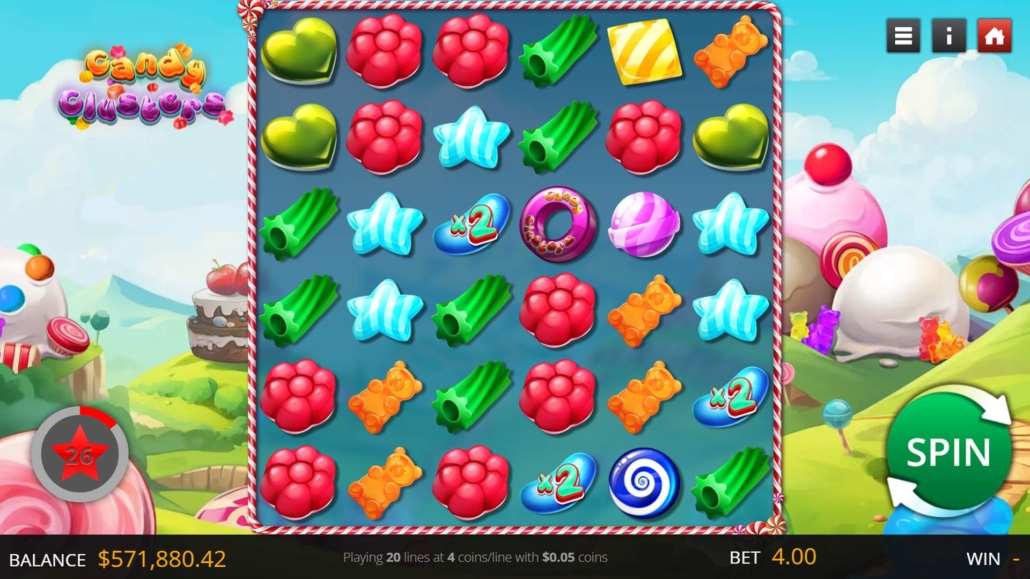
In this deep dive, we move past the "sugar-coated" exterior to examine the technical architecture of this 6×6 video slot, analyzing how the cluster mechanics and the multiplier variables interact to produce a maximum win potential of 8,350 coins.
Table of Contents
- Architectural Overview: The 6×6 Cluster Engine
- Mathematical Probability: Cluster vs. Payline
- Feature Analysis: Free Falls and Multiplier Integration
- Data & Statistical Summary
- Optimizing Play: An Analytical Approach
- Technical FAQ
- Executive Summary
Architectural Overview: The 6×6 Cluster Engine
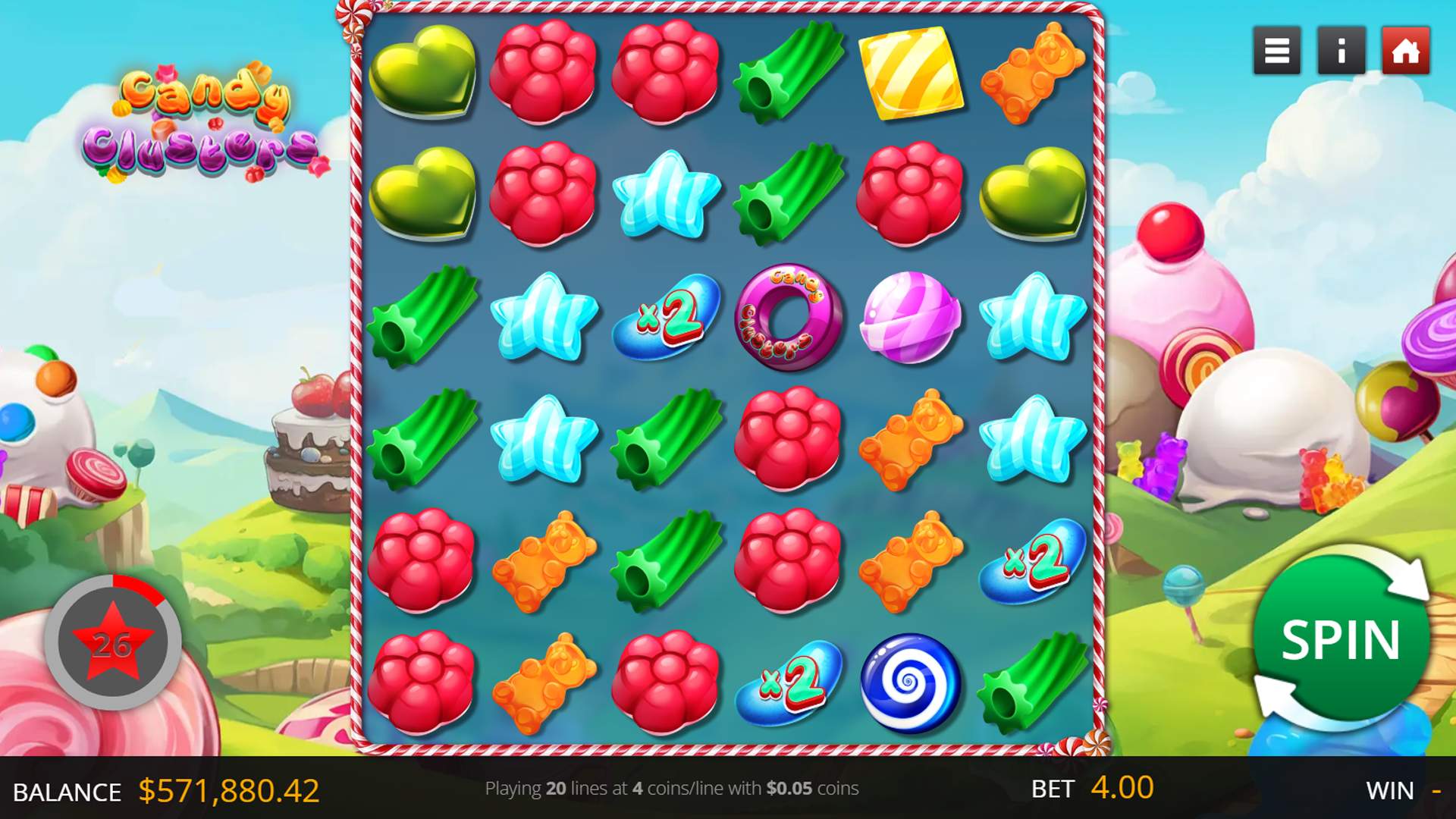
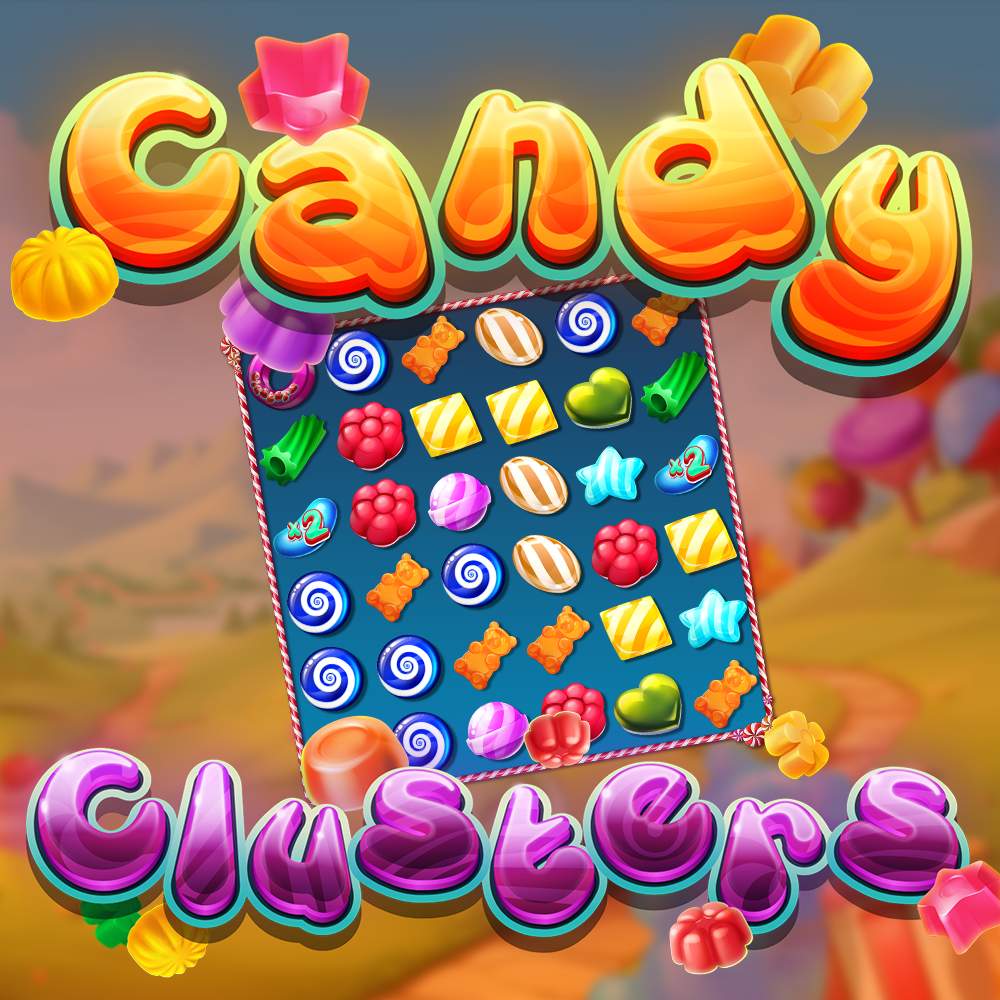
Unlike traditional reels that operate on a linear payline system, Candy Clusters utilizes a 6×6 grid layout. This expanded surface area increases the number of possible winning combinations exponentially.
The engine operates on a Cluster Pays logic. A "win" is defined as an adjoined group of 5 or more identical symbols. Adjacency is strictly limited to orthogonal connections (horizontal and vertical); diagonal connections are excluded from the calculation. This architectural choice shifts the gameplay focus from "line alignment" to "area coverage," rewarding players for landing dense pockets of symbols.

Mathematical Probability: Cluster vs. Payline
The shift from paylines to clusters significantly alters the volatility profile of the game. In a standard payline slot, a symbol's value is tied to its position on a specific path. In Candy Clusters, a symbol's value is tied to its proximity to identical symbols.
The "Cascading" mechanic (where winning symbols are removed and replaced by new ones) introduces a secondary layer of mathematical complexity. Each cascade represents a new opportunity for a win within the same initial wager, effectively increasing the "hits per spin" ratio and allowing for high-velocity payout sequences.
Feature Analysis: Free Falls and Multiplier Integration
The game's mathematical ceiling is elevated by two primary programmatic features:
1. The Free Falls Multiplier Effect
The trigger for the Free Falls feature is the appearance of 4 or more Free Fall symbols anywhere on the grid. This removes the requirement for symbol positioning, relying instead on symbol density. During this mode, the player enters a high-frequency win state, which is the primary driver for reaching the 8,350-coin cap.
2. The Wild x2 Multiplier Variable
The Wild x2 symbol serves as a mathematical force multiplier. By substituting for any non-feature symbol and applying a 2x multiplier to the resulting win, the Wild symbol acts as a volatility booster. In a large cluster, the inclusion of a Wild doesn't just complete the cluster; it effectively doubles the mathematical return of that specific event.
Data & Statistical Summary
Core Gameplay Metrics
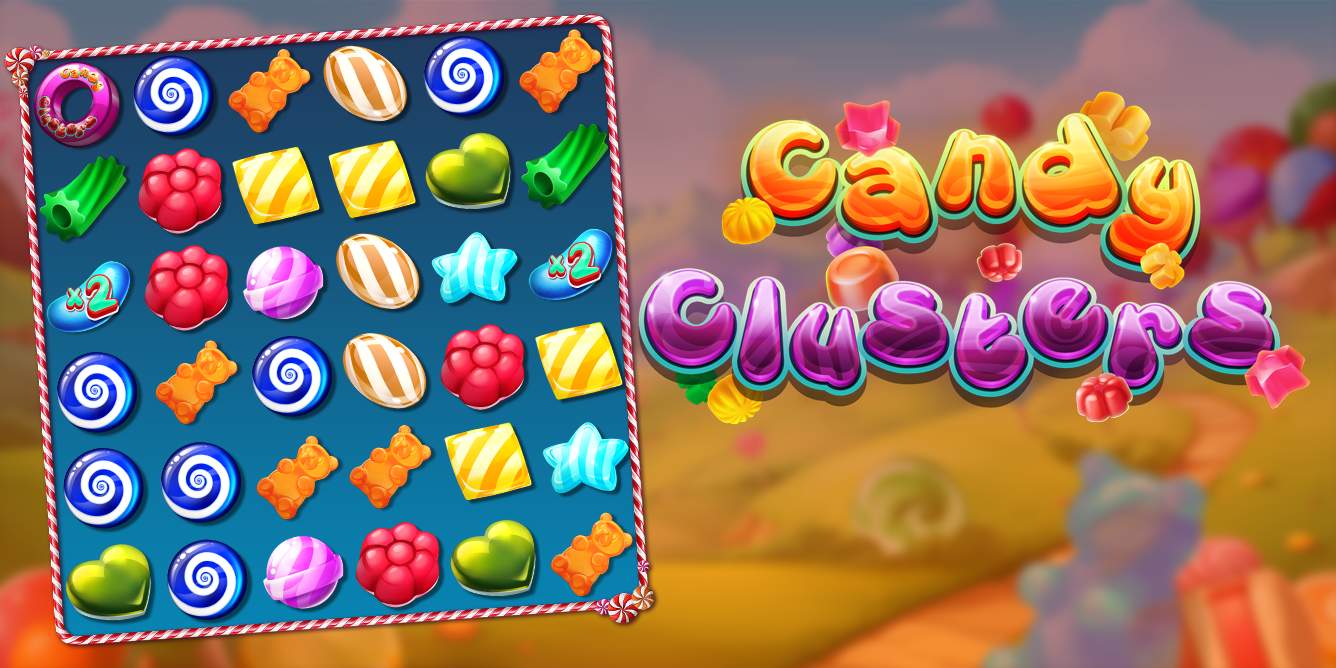
- Grid Geometry: 6×6 Matrix
- Win Condition: $\geq 5$ Adjoined Symbols (Orthogonal)
- Payout Calculation: Cluster wins are multiplied by 1/20 of the TOTAL credits wagered.
- Maximum Multiplier: 2x (via Wild symbol)
- Maximum Theoretical Return: 8,350x Base Coin
Symbol Payout Hierarchy
| Symbol Class | Symbols Included | Impact on Volatility |
|---|---|---|
| High Value | Diamond, Lozenge, Lollypop | High |
| Medium Value | Star, Swirl, Jelly, Gummie | Moderate |
| Low Value | Heart, Lace | Low |
| Special | Wild x2, Free Falls | Extreme |
Optimizing Play: An Analytical Approach
For players looking to approach Candy Clusters with a strategy rooted in probability, consider the following:
- Cluster Density Analysis: Because wins require 5+ symbols, the "value" of a spin is heavily weighted toward the density of symbols rather than their specific location.
- Volatility Management: The combination of cluster pays and cascading wins suggests a high-volatility environment. To mitigate the risk of "dry spells," ensure your bankroll can sustain a high number of spins to reach the Free Falls trigger threshold.
- The Wild Factor: Recognize that the Wild x2 is a localized multiplier. Its efficacy is directly proportional to the size of the cluster it joins.
Technical FAQ
Q: How is the cluster win amount calculated?
A: Cluster wins are determined by the symbol value and are multiplied by 1/20 of the total credits wagered.
Q: What is the mathematical requirement for a cluster?
A: A minimum of 5 identical symbols must be adjacent horizontally or vertically.
Q: Does the Wild x2 multiplier stack?
A: The Wild symbol doubles the win of the cluster it is part of. (Check specific house rules for cumulative stacking in consecutive cascades).
Q: How many Free Fall symbols are required for the bonus?
A: A minimum of 4 Free Fall symbols anywhere on the 6×6 grid.
Q: What is the maximum payout limit?
A: The game is capped at a maximum win of 8,350 coins.
Q: Are diagonal connections valid?
A: No, only horizontal and vertical adjacencies are recognized by the engine.
Executive Summary
Candy Clusters is a sophisticated 6×6 video slot that leverages cluster-pay mechanics and cascading wins to provide a high-volatility, high-reward experience. By integrating a Wild x2 multiplier and a density-based Free Falls trigger, the game offers a mathematically complex environment that rewards players who can navigate its high-ceiling payout structures.
Analyze the grid, calculate your clusters, and prepare for a high-performance gaming session. Spin Candy Clusters now!