

Understanding Casino Revenue: Debunking Las Vegas Entertainment Myths and Strip Casino Profit Drivers | 10BET

Decoding the Truth Behind Las Vegas Entertainment: How Strip Casinos Maximize Their Casino Revenue

EDITOR’S NOTE: “Vegas Myths Busted” now publishes its new entry every Monday, exploring the entertainment forces that drive massive casino revenue in Las Vegas, alongside a bonus Flashback Friday edition. Today’s entry in our ongoing series, which dives into the economics behind the lights and luck, originally ran on Oct. 21, 2022.

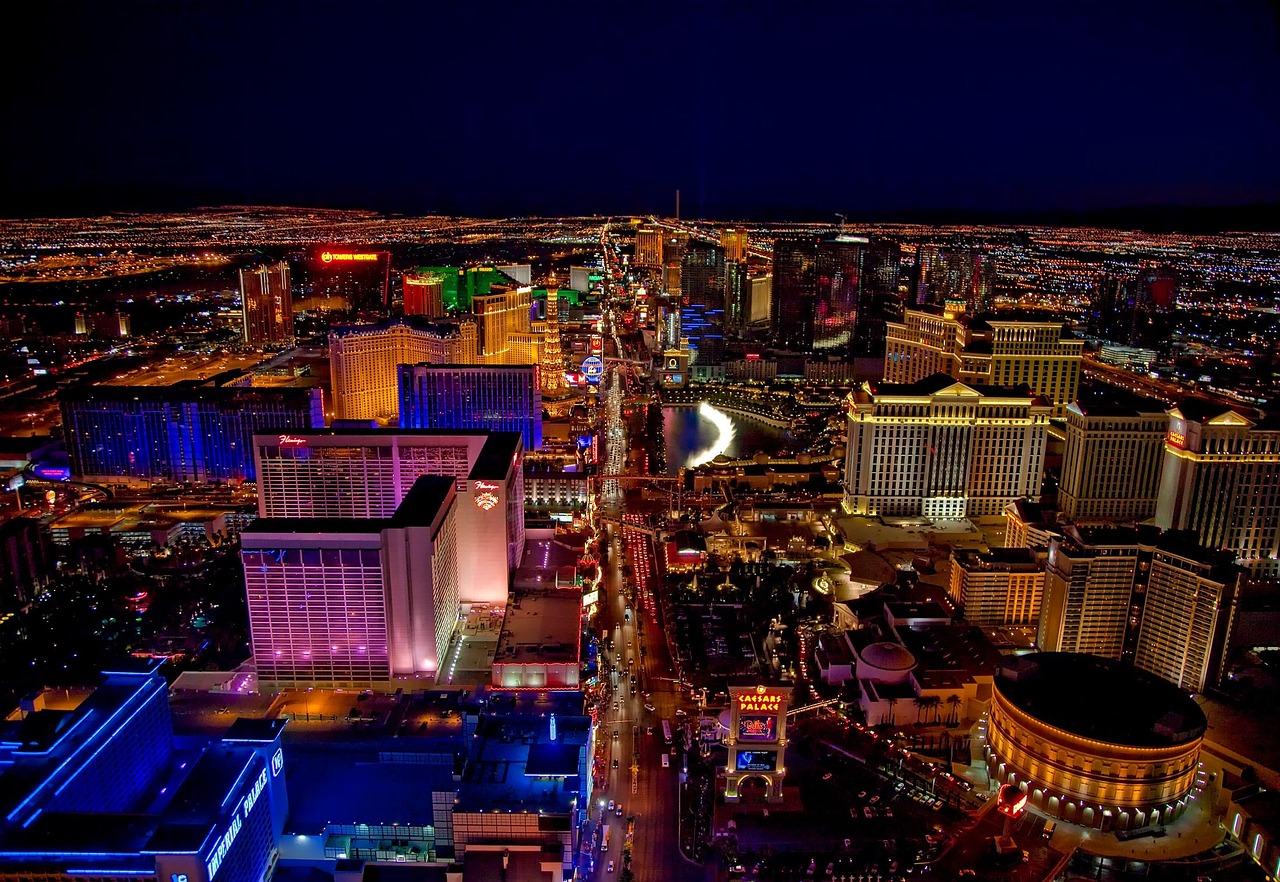
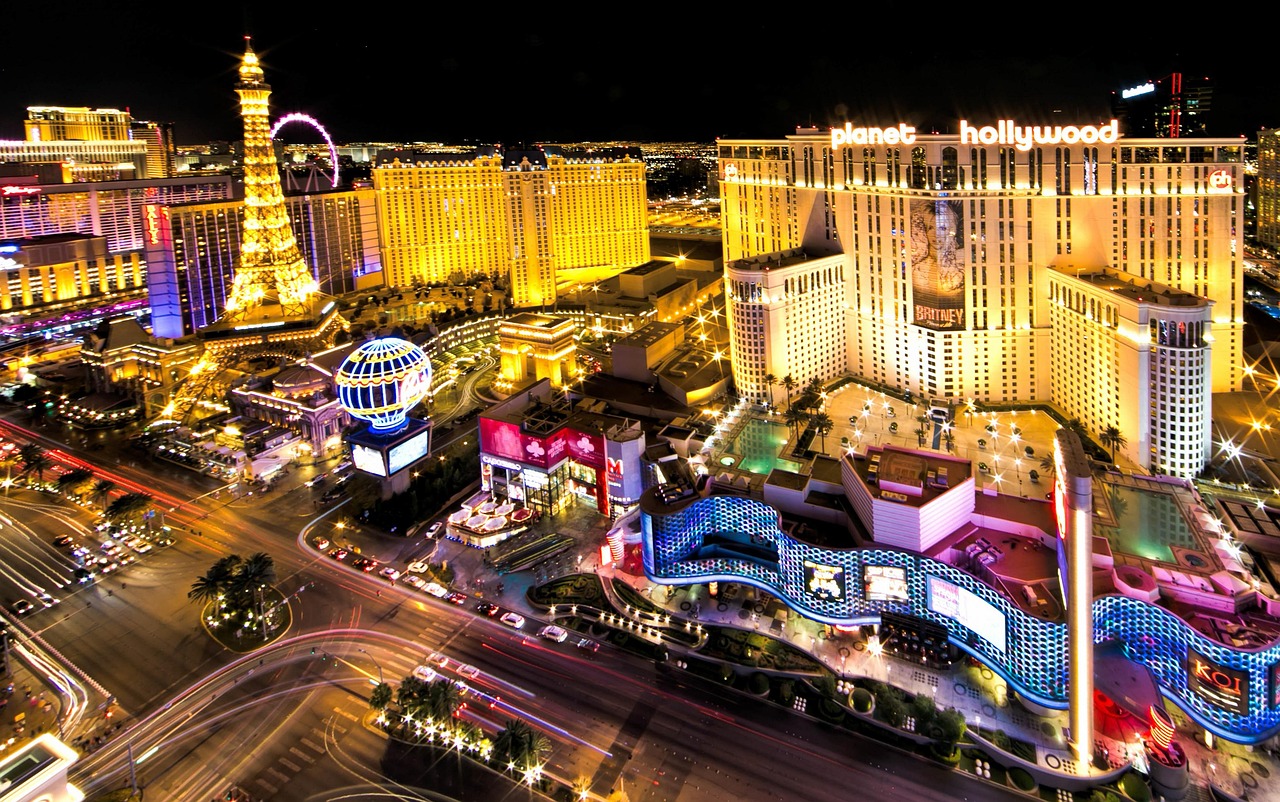
The Las Vegas Strip has long been recognised as the beating heart of gambling in the US, boasting a rich history intertwined with the likes of the Rat Pack. However, the narrative has evolved over the years, reflecting significant changes in the casino industry’s revenue streams.

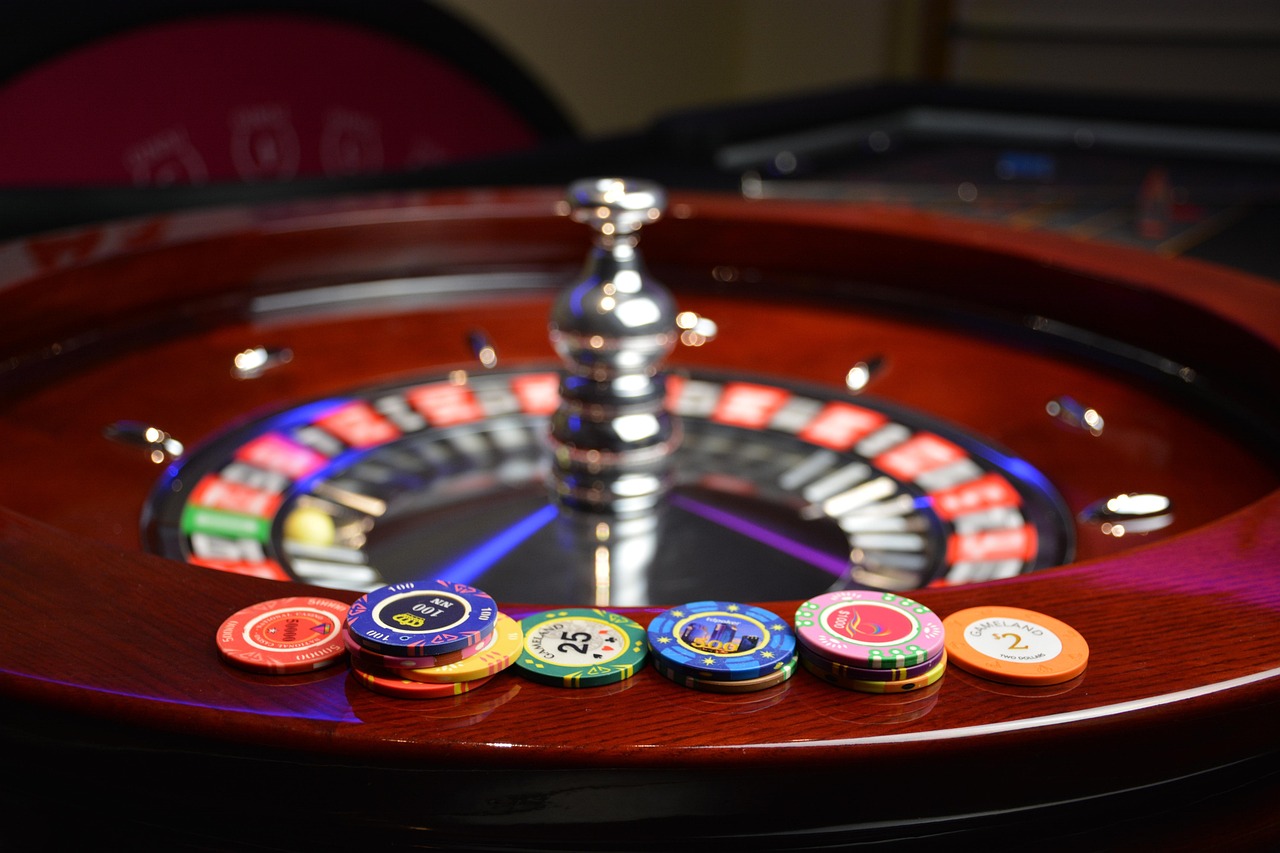
Casino vintage
Image by Arcaion from Pixabay

During the 1950s and early 1990s, approximately 75% of a typical casino’s income was generated directly from gaming activities. This inspired many casinos to offer attractive incentives such as complimentary rooms, drinks, and meals—rewarding guests who were willing to play. This strategy was facilitated by the introduction of the “special guest card” by the Dunes in the ’60s, which helped track customer play and qualify them for additional benefits.

Today’s Revenue Landscape

Fast forward to the present day, and the landscape looks remarkably different. A recent analysis revealed that non-gambling revenue streams now dominate the Strip’s financial model, accounting for around 75% of total earnings. The stats are striking:

  • MGM Resorts: 23.4% of its $2.037 billion revenue stems from gambling.
  • Caesars Las Vegas: 27.6% of its $1.142 billion originates from gaming.
  • Wynn Las Vegas: 24.1% of $561 million derives from gambling operations.

This dramatic shift elucidates why complimentary offers are now virtually nonexistent unless one is a high-roller.

The Emergence of Entertainment

The transformation from a gambling-centric economy to one where entertainment and fine dining take centre stage began with industry visionaries like Steve Wynn. His establishment of The Mirage in 1989 marked a pivotal moment in the Vegas scene, exemplifying a move toward luxury and experience over mere gaming.

Customers at The Mirage enjoyed high-end dining surrounded by tropical flora and waterfalls, setting a new standard for the Las Vegas experience. This shift was echoed by other resorts, with Wolfgang Puck leading the way with his renowned restaurant Spago at Caesars Palace.

Entertainment’s Financial Impact

The success of such ventures had a ripple effect throughout the Strip, prompting all venues to enhance their entertainment offerings. Notably, Wynn introduced the legendary act of Siegfried & Roy, leveraging ticket prices over $100 in a dedicated theatre. Michael Green, a Las Vegas history professor, emphasizes how these changes shifted expectations of performance and production costs, reflecting a broader evolution in consumer preferences.

As corporate ownership took over from mob-backed owners, casinos opted for “four-walling,” where independent producers pay to rent show spaces. This strategy has led to a slew of superstar residencies, Broadway productions, and extravagant performances, including Cirque du Soleil.

“While gambling remains significant in Las Vegas, it has evolved into a bastion of dining and entertainment,” Green asserts.

Conclusion

In summary, the Las Vegas Strip has undergone a remarkable transformation from a gambling mecca to a multifaceted entertainment hub. As non-gambling revenue surpasses that from gaming, it becomes clear that experience and atmosphere are pivotal for attracting visitors. The evolution not only highlights changing consumer desires but also forces the industry to continuously innovate and enhance the overall visitor experience.

Look for more entries in the “Vegas Myths Busted” series every Monday on Casino.org.

Poker Club Incident Triggers Fatal Shooting in Houston: Police Arrest Suspect | 10BET

Tragic Houston Shooting Leads to Arrest After Suspect Visits Local Poker Club

  • Benjamin Frakes, accused of killing his parents, was arrested at Houston’s Doghouse Poker Club.
  • Victims were found shot multiple times.

A man, Benjamin Frakes, aged 39, is suspected of killing his parents, Franklin Frakes (72) and Florentina Frakes (57), at their home in Spring, Houston. Police arrest took place five days later at the Doghouse Poker Club, about 40 miles from the crime scene.

Crime scene
Image by Erdenebayar from Pixabay

According to police, on the evening of May 15, Frakes forced his way into his father’s house, resulting in both parents suffering multiple wounds from gunfire. Their bodies were discovered on the following Friday evening by a concerned neighbour.

Eyewitness Joshua Griffin mentioned that he last saw the Frakeses on Thursday evening, stating, “They were out there watering their plants. It was a quiet night—nothing out of the ordinary.” The revelations of the incident have shocked the community.

Suspect Injured in Gunfight

Authorities have reason to believe that Franklin Frakes might have shot back in self-defense, resulting in injuries to his son during the attack. The investigation revealed evidence of forced entry at the back door and a handgun was recovered from the scene.

Following the incident, Frakes allegedly took his parents’ belongings, including cellphones and their black Mercedes SUV, which remains unaccounted for. He was ultimately apprehended at the Doghouse Poker Club, where he was found with cocaine and Xanax, and appeared to have a noticeable limp due to a cast on his right leg.

Frakes has been charged with capital murder and is currently held on a $5 million bond. His criminal history includes previous convictions related to drug offenses and burglary.

Doghouse Responds

In a statement from Doghouse Poker Club, officials acknowledged the arrest, clarifying that the individual taken into custody was not a regular player at their establishment. The club expressed its cooperation with law enforcement and stressed its commitment to providing a safe environment for patrons.

“The safety and well-being of our patrons and staff is our top priority, and we commend the swift action of local law enforcement,” the statement concluded.

Further Insights

This incident underscores the intertwined nature of crime and the gambling world, prompting discussions about the safety protocols in places of entertainment. Community members have raised concerns about security measures at poker clubs and their responsibility in ensuring the safety of patrons.

Additionally, the psychological implications of such violent acts within the proximity of recreational spaces cannot be overlooked. It raises essential questions around mental health support and the adequacy of current societal protections against domestic violence.

Summary

The tragic case of Benjamin Frakes serves as a stark reminder of the fine line between personal turmoil and public safety. As the legal proceedings unfold, the community watches closely, hoping for justice and the reinforcement of security measures at public venues.

Vora Claims Penn Entertainment Lost $11 Billion Due to Poor Sports Betting Loss

Vora Claims Penn Entertainment Lost $11 Billion Due to Poor Sports Betting Loss Focus

Key Highlights: Analyzing the results of recent games often reveals patterns, especially when examining the impact of a sports betting loss on overall strategy.

  • HG Vora critiques Penn for prioritising sports betting over online gaming.
  • The estimated shareholder loss is around $11 billion linked to several poor decisions.
  • Penn is referred to as a “laggard” in the competitive sports betting market.

HG Vora, the founder of the hedge fund HG Vora Capital Management, recently expressed strong criticism regarding Penn Entertainment (NASDAQ: PENN). He stated that the company has squandered an estimated $11 billion in shareholder value since 2021, largely due to a misguided emphasis on sports wagering, while missing significant opportunities in the booming online casino market.

Business finance
Image by stevepb from Pixabay

In a recent presentation titled “Genuine Change Is Needed At PENN,” Vora highlighted the poor strategic direction taken after key leadership changes within the company. Following David Handler’s appointment as chairman in 2019 and Jay Snowden’s transition to CEO the following year, Penn aggressively pursued a strategy to dominate the online sports betting space. However, this led to a series of detrimental transactions that have driven down stock prices.

“Shareholders have suffered greatly due to poor strategic decisions, failed transactions, and poor execution; absolute and relative total shareholder returns have been abysmal,” stated Vora, who is now advocating for a restructuring of Penn’s board of directors.

Vora pointed out that the troubling transactions include:

  • Acquisition of Barstool Sports for over $500 million.
  • Investing $2 billion in equity for theScore.
  • A partnership with ESPN that could involve payments exceeding $2 billion over ten years.

These investments combined equate to well over double Penn’s current market cap, a major concern for investors gauging the company’s strategic direction.

The Downward Trend of Penn Stock

Vora’s sentiments mirror those of other investors who are disheartened with the leadership at Penn. The criticism often revolves around two main observations:

  • Penn was a flourishing stock for 20 years before the aggressive push into online sports betting.
  • The company’s focus on sports betting shifted investor attention away from its profitable, although less glamorous, regional casinos.
Sports betting
Image by StockSnap from Pixabay

Currently, Penn’s stock price has fallen significantly, from around $140 five months ago to just $14.20, prompting its removal from the S&P 500 Index to the SmallCap 600 Index.

Recently, Vora sent a letter to Penn shareholders expressing that the company currently trades below its intrinsic value, primarily due to management’s failing credibility and the fear of further financially detrimental decisions. He further highlighted executive pay discrepancies, stating that the CEO has received compensation among the highest in the industry despite consistent underperformance in shareholder returns.

Vora Questions Penn’s Future Claims

Despite some positive momentum for Penn’s Hollywood Casino iGaming platform, Vora is sceptical regarding claims that the operator’s interactive segment is approaching a significant turnaround point. He has raised concern that the timeline for achieving profitability has been extended from 2025 to 2026, with the ESPN Bet holding only a 2% market share—far from their projected 10% target.

“Monthly active users for Penn’s Interactive products have dropped nearly 30% since the launch of ESPN Bet. Cumulatively, their Adjusted EBITDA losses since 2019 have now surpassed $1 billion,” he noted.

In the face of these challenges, Vora advocates for a reformed board featuring independent candidates, reclaiming reasonable compensation for executives, and establishing stronger performance benchmarks and distinct strategies for individual segments of the interactive unit.


Conclusion

The saga of Penn Entertainment illustrates the dangers of misplaced focus and poor strategic decision-making in the competitive landscape of gaming. As the company navigates its way through these turbulent waters, the need for transformation and strategic reevaluation becomes paramount. Investors will be monitoring these developments closely as Penn seeks to restore its lost value and chart a more prosperous course ahead.

Unlicensed Gambling Risks: Premier League Sponsorship Scandals and Sports Corruption Linked to TGP Europe | 10BET

The Dark Side of Sports Corruption: How Unlicensed Gambling Networks and Shady TGP Europe Fuel Premier League Sponsorship Scandals

  • TGP Europe drops license after £3.3M UK fine
  • Gambling firm linked to trafficking, organized crime syndicate
  • Premier League clubs warned: ditch unlicensed sponsors fast

Several prominent English football clubs are currently facing a sponsorship crisis after the dubious firm TGP Europe abruptly surrendered its UK license, a move that has intensified fears regarding the rise of unlicensed gambling within professional sports. This sudden withdrawal highlights the growing danger of unregulated betting operations infiltrating major leagues, a situation underscored by the severe repercussions from the UK Gambling Commission (UKGC). The regulator slapped TGP Europe with a hefty fine of £3.3 million ($4.4 million) following systemic failures in vetting business partners and breaching strict anti-money laundering regulations, leaving clubs vulnerable to the shadow economy of the gambling industry.

Sports labor
Image by lehuudat from Pixabay

The company faced significant scrutiny, leading them to opt out of operating in the UK altogether. The UKGC reported that if TGP intended to continue trading in the UK, they would have to make substantial improvements to their operations.

Understanding the White-Label Loophole

TGP Europe took advantage of the “white label” licensing system, a loophole that allowed gambling companies to operate under a different brand in the UK while technically functioning under TGP’s license. This system has been critiqued for attracting numerous Asia-facing sportsbooks that lack genuine interest in the UK market. Instead, these companies have been exploiting the Premier League to launch their brands into the very lucrative Chinese gambling market, where promotion of gambling is illegal.

Recently, the UKGC sent warnings to several clubs including AFC Bournemouth, Fulham FC, Newcastle United FC, Wolverhampton Wanderers FC, and Burnley FC—each associated with TGP-affiliated brands—cautioning them about the repercussions of endorsing unlicensed gambling websites. Failure to comply with these warnings could lead officials to prosecution or potential prison sentences.

According to research from Josimar, TGP was originally formed as a subsidiary of Suncity, one of the largest junket operators in Macau. The founder, Alvin Chau, has been embroiled in numerous legal troubles, receiving an 18-year prison sentence for extensive charges related to fraud and illegal gambling activities.

The Vigorish Viper Scandal

Fast forward to July 2025; cybersecurity investigators at Infoblox uncovered a strong connection between sports betting brands referring to China and organised crime groups involved in human trafficking and money laundering, which they labelled “Vigorish Viper.” This criminal syndicate was discovered to provide technology solutions to these betting brands, including DNS setups, website hosting, and payment processing—facilitating their operations globally.

Infoblox concluded that the underlying technology behind Vigorish Viper was developed by the Yabo Group, which was previously a sponsorship partner for Manchester United. The Yabo Group is reputedly running one of the largest illegal gambling operations targeting Greater China. Its various brands, including Kaiyun Sports, currently sponsor English football clubs.

The implications of these operations are severe, as reports indicate Yabo’s involvement in human trafficking, specifically tying them to labor camps along the Cambodia-Laos border where trafficked individuals are coerced into running gambling operations and scam call centers.

Conclusion

The developments surrounding TGP Europe and the related scandal underscore the urgent need for stricter regulation in the gambling sector, especially concerning sponsorships in professional sports. Football clubs must take heed of these warnings to ensure they are not inadvertently supporting organisations linked to criminal activities. By reevaluating their sponsorship deals, these clubs have a chance to demonstrate their commitment to integrity and responsible governance.

In summary, as problematic associations with unlicensed gambling companies continue to unfold, Premier League teams face increasing pressure to sever ties with sponsors like TGP Europe and reassess their commitments to uphold lawful and ethical standards in the sports sector.

Las Vegas Casinos: Fontainebleau Las Vegas and Tom Brady to Debut Sports Memorabilia Display | 10BET

Sports memorabilia
Image by djedj from Pixabay

Experience the Thrill of Las Vegas Casinos with the New Fontainebleau Sports Memorabilia Display Featuring Tom Brady

Fontainebleau Las Vegas is elevating the excitement typically found in Las Vegas casinos by unveiling its temporary sports and entertainment exhibit, the “Hall of Excellence,” this June. This remarkable project, a collaboration between legendary NFL quarterback Tom Brady and renowned Emmy-winning sportscaster Jim Gray, offers guests a chance to experience spectacular sports memorabilia right alongside the world-class gaming and luxury experience.

What to Expect at the Hall of Excellence

The Hall of Excellence will feature an impressive array of artifacts, including:

  • All seven of Tom Brady’s Super Bowl rings
  • The very first pair of Air Jordans worn by Michael Jordan, alongside his first NBA championship shoes from the 1991 Finals
  • A bat used by Jackie Robinson as he broke Major League Baseball’s colour barrier in 1947
  • Gloves worn by Muhammad Ali during his iconic 1966 fight against George Chuvalo

Additional Memorabilia

Other notable items displayed will include:

  • A golf ball from Tiger Woods’ first Masters victory in 1997
  • Billie Jean King’s 1974 tennis dress
  • Oprah Winfrey’s Presidential Medal of Freedom awarded in 2013
  • Las Vegas Aces WNBA Championship rings from 2022 and 2023
  • A championship ring from the Vegas Golden Knights’ 2023 Stanley Cup win

An Unique Experience

Visitors to the Hall of Excellence will enjoy self-guided tours narrated by the acclaimed actor Morgan Freeman. The exhibit will also feature special appearances by celebrities such as Oprah Winfrey, Bob Costas, Snoop Dogg, and Tom Brady himself. Brady expressed his enthusiasm for the exhibit by stating, “So much of this memorabilia represents the incredible journey that I, like many others, have been fortunate enough to experience. These artifacts should be shared with the fans who were along for the journey with us.”

The Hall of Excellence Opens Soon!

The grand opening is set for June 20, with admission tickets priced at:

  • $35 for adults
  • $20 for children aged 15 and under
  • $30 for Nevada residents, seniors, and military personnel with valid ID

Tickets will be available for purchase beginning at 6 am on May 23, and buyer haste is encouraged due to the high demand! Further details can be found here.

Summary

The Hall of Excellence at Fontainebleau Las Vegas promises a striking celebration of sports history featuring memorabilia from esteemed athletes. With items from Tom Brady, Michael Jordan, and many others, this display is a must-visit for sports enthusiasts and casual fans alike. Make sure to secure your tickets and witness a legendary collection throughout its limited exhibition run!

How New York City Casino Licenses Could Drive Development on Manhattan’s East Side | 10BET

New York City Casino Licenses and Manhattan’s East Side Bid: Navigating Public Support for City Development

The Freedom Plaza project claims to have garnered majority public support, aiming to transform New York City’s casino landscape within the context of city development. As one of eight remaining bids vying for downstate casino licenses, it aims to operate slot machines, live-dealer table games, and sports betting.

City development
Image by Brida_staright from Pixabay
A rendering of Freedom Plaza, a proposed casino resort next to the United Nations Headquarters on Manhattan’s East Side.

Freedom Plaza Project Details

  • Proposal Cost: Estimated at $10 billion.
  • Developers: The Soloviev Group, in collaboration with the Mohegan Tribe.
  • Facilities Include:
    • 1,251 hotel rooms
    • 300,000 square feet of gaming space
    • 513 affordable housing units
    • Over 1,000 apartments
    • A five-acre public park

The developers claim to support local jobs, enhanced community spaces, and affordable housing, which they believe will garner the necessary backing from Community Board 6 for the project.

“This poll reaffirms what we’ve heard directly from the community — New Yorkers need good paying jobs, open green spaces, and housing options that working families can afford,” said Michael Hershman, Soloviev Group CEO.

Public Support Statistics

The Freedom Plaza proposal has received positive backing from a recent poll conducted by Tulchin Research:

  • 64% of 600 surveyed voters across the five boroughs support Freedom Plaza.
  • 57% support in Midtown East.

Contrasting Fates for Other Bids

The Freedom Plaza proposal’s success stands in stark contrast to other casino bids that have recently struggled:

  • Wynn Resorts: Pulled out of its Hudson Yards project amid public opposition.
  • Las Vegas Sands: Exited its Long Island plan, citing challenges from community pushback.
  • Saks Fifth Avenue: Abandoned its flagship store proposal in Midtown.

Challenges Ahead for Freedom Plaza

Despite overwhelming public sentiment, the Freedom Plaza project does face hurdles. Community Board 6 has publicly voiced opposition, highlighting concerns regarding safety, noise, and potential traffic congestion. They advised Governor Kathy Hochul of these issues following a 33-4 vote against casino development in the area.

Final Thoughts

While the road ahead for Freedom Plaza appears promising with significant public backing, several obstacles remain. The project can enhance the New York City economy significantly, but it must address community concerns effectively to progress. As it stands, the Freedom Plaza project hints at an exciting new chapter in Gotham’s gaming scene.

Facts and Figures About New York’s Casino Landscape

  • Total available licenses: 3
  • Number of bids: 8
  • Poll respondents in favor: 64%

Each of these points highlights the competitive nature of the casino bidding process in New York, where public opinion can drastically sway outcomes.

Summary

Overall, the Freedom Plaza bid for a casino on Manhattan’s East Side claims to have strong public support, which could reshape the local entertainment and housing landscape while addressing community needs. Navigating through local bureaucracy and community concerns will be crucial for its success.

Light & Wonders $2B Forecast: What It Means for Slot Machines in 2028

Light & Wonder: Slot Machines Sector Forecasts $2B in 2028 Earnings

Key Highlights: The following points summarize the most important aspects of the slot machines industry, covering key statistics and trends.

  • Slot machine maker unveiled a new forecast at its investor days
  • Still expects $1.4 billion in 2025 adjusted EBITDA

Light & Wonder (NASDAQ: LNW) recently made headlines when it told shareholders to expect adjusted earnings before interest, taxes, depreciation, and amortization (EBITDA) to reach $2 billion by 2028. This announcement came during a challenging period for the broader market and gaming stocks.

slot machines
Image by deluxtrade from Pixabay

Despite facing a rocky first quarter, Light & Wonder has reaffirmed its adjusted EBITDA forecast of $1.4 billion for the year. This prediction entails a compound annual growth rate (CAGR) of approximately 15% from 2022, not accounting for potential advantages from the recent acquisition of Grover Gaming, Inc. and G2 Gaming, Inc. for $850 million.

Strategic Growth and Market Share

The forecast for 2028 assumes that Light & Wonder will gain about 4% in market share within the North American premium slot segment. In addition, earnings per share are expected to double from $5.27 last year to an anticipated $10.55.

According to Stifel analyst Jeffrey Stantial, the projected targets for 2028 are considered achievable and conservative, with organic growth expected to outperform that of competitors.

Furthermore, analysts believe that resolving ongoing litigation with rival Aristocrat Leisure could act as a catalyst for Light & Wonder’s stock, which has a ‘hold’ rating with a target price of $95.

Driving Growth through Acquisitions

The acquisition of Grover is seen as a pivotal driver for future growth, particularly in Indiana, where e-pull charitable devices have only recently become legal.

Jefferies analyst David Katz notes that the Grover transaction is expected to add approximately 10,000 units immediately, with a plan to upgrade content across five current markets and introduce new units in Indiana, set to launch operations in July 2025.

Charitable gaming mirrors traditional casino wagering in terms of monetary stakes and payouts; however, it operates under charities rather than commercial or tribal operators or governmental bodies. Light & Wonder is positioned as one of the key players in this ever-growing sector, which includes various offerings like lotteries, table games, and slot machines.

Grover has achieved profitability, as demonstrated by its adjusted EBITDA of $111 million in 2024. Between 2022 and 2024, the company recorded impressive CAGR figures of 31% for EBITDA and 29% for revenue according to Light & Wonder’s own investor presentation materials.

Future Listing Considerations

Light & Wonder is nearing two years since it conducted a secondary listing of its shares in Sydney, while primarily listed on NASDAQ in New York. There are discussions about possibly transitioning to a sole listing in Australia.

Highlighting the investment significance, Jefferies’ Katz points out that 62% of the company’s issued share capital is currently linked to the US listing, with the remainder from Australia.

In accordance with their investor presentations, Light & Wonder aspires to join the ASX 100, with a longer-term goal to be included in the ASX 50 – two significant indexes representing major Australian stocks.

Conclusion

As Light & Wonder sets its sights on ambitious future earnings, its strategic acquisitions and market adaptability put it in a prime position for growth in the gaming industry. With a focus on enhancing its market share and addressing legal obstacles, the company is gearing up to make substantial strides in the coming years.

Penn Entertainment Bringing Casino Dining: 10 New Shake Shack Locations Planned

Penn Entertainment Partners with Shake Shack for Casino Dining

Penn Entertainment is thrilled to announce a new partnership with renowned fast-casual restaurant Shake Shack, bringing this popular casino dining option to a selection of their casinos. With plans to establish 10 Shake Shack locations in various properties, this initiative is set to enhance the dining experience for patrons.

Shake Shack Vegas
Image by buddytheteacherscat0 from Pixabay

Shake Shack’s Expansion Journey

  • Origin: Shake Shack started as a humble burger stand in Madison Square Park, NYC, back in 2004.
  • Growth: The chain has expanded to nearly 600 locations across 34 states and has gone international with outlets in several major cities.
  • Signature Offerings: Shake Shack is famous for its delicious burgers, shakes, and crinkle-cut fries, appealing to a wide audience of diners.

New Locations in Focus

The first Shake Shack locations in Penn’s casino portfolio will be at the Hollywood Casino in Toledo, Ohio, and the River City Casino Hotel in St. Louis, Missouri. Guests can anticipate these outlets to open starting early 2026.

Strategic Partnership Insights

Todd George, the executive vice president of operations at Penn Entertainment, expressed enthusiasm about this partnership, stating, “This collaboration represents an exciting opportunity to refresh our casino offerings and cater to the diverse culinary preferences of our guests.”

Understanding Regional Casino Dining

With a focus on regional casinos—notably distinct from those in Las Vegas or Atlantic City—Penn Entertainment targets local patrons rather than mostly attracting tourists. Therefore, casual dining options are essential for enhancing customer satisfaction. Currently, the Hollywood Casino Toledo features multiple dining choices to cater to the tastes of local visitors.

Conclusion

This partnership marks a notable trend in the casino industry, where enhancing guest experiences with quality dining options is becoming paramount. With Shake Shack’s reputation for quality food and Penn Entertainment’s extensive reach, this collaboration is set to create exciting new opportunities in the hospitality space. Keep an eye out for these delicious offerings at various locations soon!

From Celebrity Crime to Las Vegas Casinos: The Shocking Story of the Convicted Killer and Reality Star | 10BET

From Celebrity Crime to Las Vegas Casinos: The Shocking Connection Between Diddy’s ‘Freak Offs’ and a Convicted Vegas Killer

  • Ash Armand’s photo was introduced during the first week of Sean “P Diddy” Combs’ sex trafficking trial.
  • Prosecutors claim he was one of 13 male escorts hired to perform at the disgraced record mogul’s “freak off” sex parties.
  • Armand was initially known as a star of the Vegas-based Showtime reality series “Gigolos.”
  • That was before he became known as a killer.

The legal proceedings surrounding Sean “Diddy” Combs’ highly publicized sex trafficking trial have brought various high-profile figures into the spotlight, much like the sensationalism often found in the entertainment hubs of Las Vegas casinos. During the first week of the trial, one of the photos presented to the jury featured Ash Armand, a name many would recognize from the reality TV series “Gigolos.” This series, which aired from 2012 through 2016, showcased the glamorous yet complex lives of male escorts operating amidst the neon lights and high stakes of the city.

mugshot
Image by B_A from Pixabay

Fast forward five years, and Armand found himself on the opposite side of the law when he was convicted of murder. The courtroom drama unfolded in Manhattan federal court, where prosecutors alleged that Combs’ then-girlfriend, Cassie Ventura, employed Armand and others for “freak offs.” These events reportedly took place in Los Angeles, Miami, and Las Vegas, where the group’s task was to engage in sexual acts while Combs watched.

Met Gala
Image by domeckopol from Pixabay

Ventura, who was in a relationship with Combs for six years, claims that she endured a pattern of coercive control executed through various means of abuse, including physical and verbal. Meanwhile, Diddy faces multiple serious charges, including sex trafficking and racketeering, all of which he has firmly denied.

Armand, whose real name is Akshaya Kubiak, found himself further entangled in the legal system when he admitted to killing Herleen Dulai, a 29-year-old acquaintance, in July 2020. The tragic incident, described by Armand as an accident linked to psychedelic mushrooms, led to charges of voluntary manslaughter.

Upon pleading guilty in September 2021, he received a sentence ranging from eight to twenty years, now serving time at the Southern Desert Correctional Center in Las Vegas. The public’s interest was reignited following a recent documentary titled “Sin City Gigolo,” released in March 2025, which revisited Armand’s story and the unsettling events surrounding it.

Key Facts About the Case:

  • Sean Combs is currently on trial facing serious allegations including sex trafficking.
  • Ash Armand, once a national reality star, transitioned from a life in front of the camera to facing murder charges.
  • Armand’s case has attracted significant media attention, highlighting broader issues surrounding consent and the sex industry.
  • The trial and associated events raise questions about the dynamics of power and abuse within celebrity relationships.

This case serves as a prime example of the dark underbelly of fame and fortune, where reality blurs with the stark realities of the law. Ash Armand’s journey from a glorified lifestyle as a television star to a convicted murderer captures the public’s attention and sparks conversation around the treatment of individuals in similar predicaments.

Casino Gaming Evolution: Executive Supports Federal Reclassification for Cannabis Integration | 10BET

Casino Executive Backs Federal Reclassification to Boost Casino Gaming and Cannabis Integration

  • Casinos and cannabis don’t mix due to federal law
  • Marijuana remains a Schedule 1 narcotic according to federal law
  • A casino executive suggests a push for change

A casino executive recently attended a “Cannabis & Gaming” discussion hosted by UNLV’s Cannabis Policy Institute and International Gaming Institute, where he highlighted how the evolution of casino gaming could be fundamentally transformed by the legal cannabis industry. He suggested that the future of the casino gaming landscape could greatly benefit from deeper collaboration between these two sectors; however, until federal laws change regarding cannabis classification, such a synergy in the world of casino gaming may remain a distant dream.

Casino law
Image by StockSnap from Pixabay

Seth Schorr, the CEO of Fifth Street Gaming, which manages seven casinos in Las Vegas, including the Downtown Grand Hotel & Casino, spoke passionately at the panel. He highlighted that Nevada is at the forefront of both medicinal and recreational marijuana, with medicinal cannabis being legal since June 2001 and recreational use approved through a referendum in November 2016.

“If we are to reclaim our position among competing states for tourism, we might consider embracing adult-use cannabis within casinos,” Schorr suggested. “Online gaming has transformed the landscape over the last decade, and visitor numbers to Las Vegas are declining. We must explore all avenues, including allowing cannabis in casinos as a way to enhance the visitor experience. What was once considered a conservative approach may not be viable today,” he remarked.

Federal Concerns

In Nevada, while marijuana use is legal, there are strict limitations. Consumption is only permitted in private residences and licensed cannabis lounges. Ironically, although hotel rooms attached to casinos are expected to be marijuana-free, many visitors turn a blind eye to this regulation.

Additionally, public consumption is typically not enforced. To maintain their licenses, casinos nationwide vigorously uphold laws prohibiting recreational drug use on their gaming floors. As cannabis is classified as a Schedule 1 narcotic—akin to heroin, LSD, and MDMA—casinos are required to distance themselves from the drug, which introduces complications regarding banking, anti-money laundering provisions, and employee regulations.

“A large part of my career involves identifying niche opportunities and creating tailored experiences for those looking for something different. I believe a significant demographic exists that would prefer a cannabis-friendly casino-resort,” Schorr added.

While Schorr acknowledges that some patrons may be put off by cannabis-friendly casinos, he believes the potential customer base justifies the risks involved. However, Nevada law imposes a 1,500-foot barrier between any licensed gaming venue and venues where cannabis consumption can occur.

Lounge Operations

The development of cannabis consumption lounges in Las Vegas has been sluggish. Recent reports noted the abrupt closure of Smoke and Mirrors at Thrive Cannabis, which opened as the state’s first cannabis lounge in February 2024.

Local analysts indicate that many Nevadans prefer consuming their cannabis at home, thereby avoiding the risks of impaired driving. Tourists appear to enjoy consuming marijuana in the privacy of their hotel rooms, regardless of the laws prohibiting public use.

As it currently stands, the option for patrons to walk from a casino resort to a licensed lounge hasn’t proven to be an appealing experience.

In summary, advancements towards a potential collaboration between the cannabis and gaming sectors will depend on future federal legislative changes. As attitudes towards cannabis continue changing across the country, the possibility for casinos to include cannabis lounges could very well become a reality in the near future. The insights provided by industry leaders like Seth Schorr highlight the need for a progressive approach to keep Nevada’s gaming industry competitive and appealing to a modern audience.